Winter Storm Tree Damage: When Emergency Tree Service Is Needed
Winter Storm Tree Damage and Emergency Tree Service
Winter storms can leave behind more than snow and ice. High winds, heavy snowfall, and frozen ground often combine to stress trees in ways that are not immediately visible. For homeowners, knowing when storm damage crosses the line from inconvenient to dangerous is critical. Keil Tree Experts works with property owners who need clear guidance after winter storms, especially when safety, access, or structural risk becomes a concern.
In many cases, recognizing when emergency tree service is necessary helps prevent further damage and protects both people and property.Winter tree damage rarely improves on its own, and delays can increase risk.
Why Winter Storms Are Especially Hard on Trees
Cold weather places trees under unique pressure. Frozen ground limits root flexibility, while snow and ice add significant weight to branches. Strong winds during winter storms often exploit existing weaknesses, causing splits, cracks, or partial failures.
A professional tree company understands how winter conditions accelerate failure in trees that may have appeared stable during warmer months.Storm damage is not always dramatic, but it is often progressive.
Broken Limbs Can Create Immediate Hazards
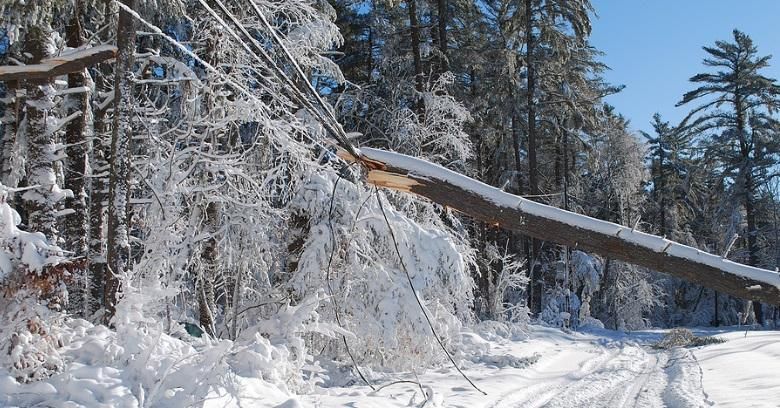
One of the most common forms of winter storm damage is broken or hanging limbs. These branches may remain suspended after a storm, creating unpredictable hazards above driveways, walkways, and roofs. Ice accumulation can increase the weight of damaged limbs, making sudden failure more likely.
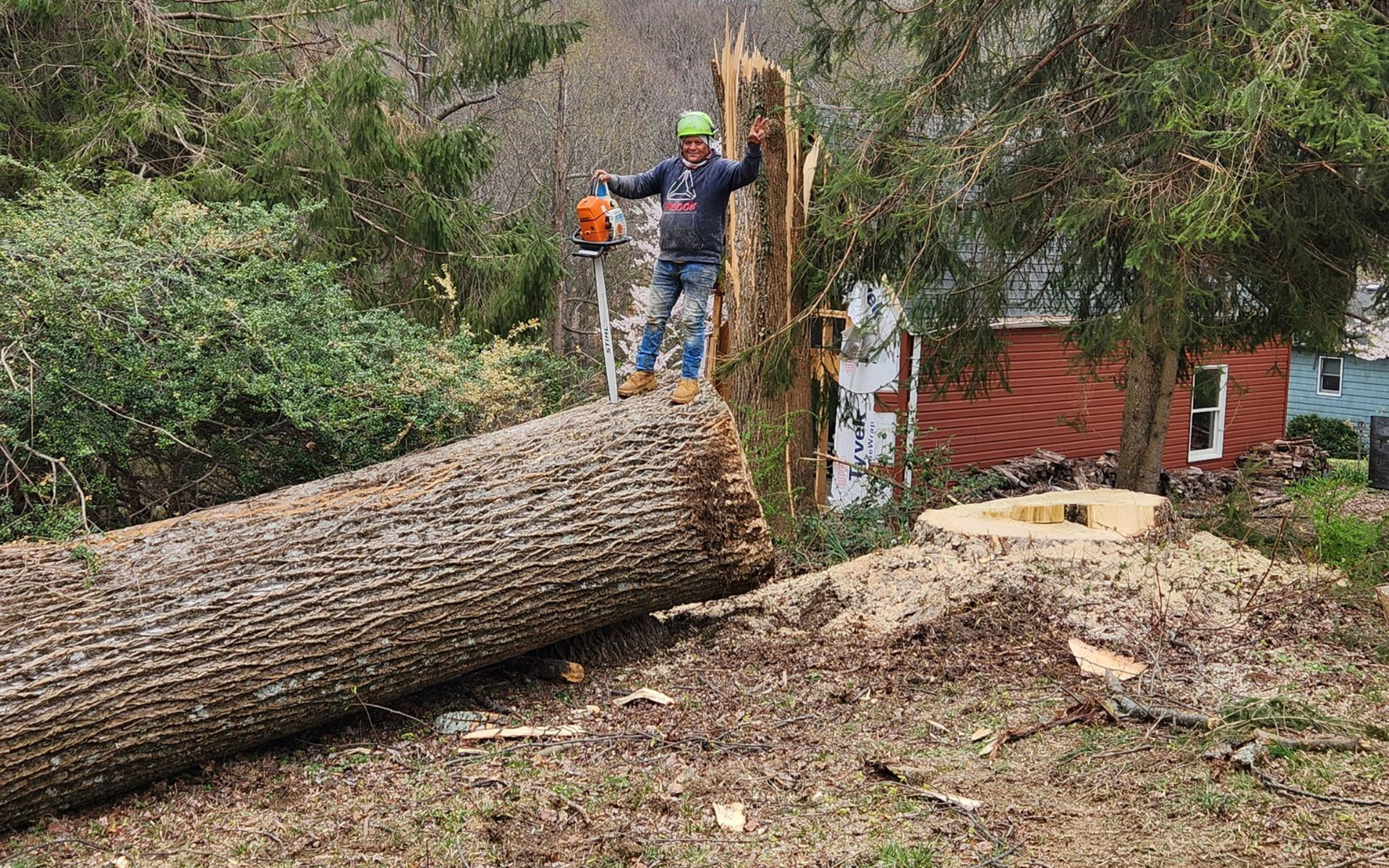
Situations like these often require emergency tree removal to prevent injury or property damage. Even small limbs can pose serious risks when frozen conditions are involved.
Leaning Trees Signal Deeper Problems
After a winter storm, a tree that begins leaning is rarely just a cosmetic issue. Saturated soil combined with frozen ground can loosen root systems, reducing stability. When a tree shifts position, it may indicate compromised anchoring below the surface.
Addressing these situations quickly often requires storm damage tree removal, especially when nearby structures or utility lines are involved. Waiting for spring does not restore lost stability.
Trees Interfering With Power Lines or Access Points
Storm damaged trees that block driveways, roads, or emergency access routes require immediate attention. Trees entangled with power lines are particularly dangerous and should never be handled without professional coordination.
In these scenarios, an experienced emergency tree service prioritizes safety, access restoration, and coordination with local utilities when needed. Rapid response helps reduce secondary hazards.
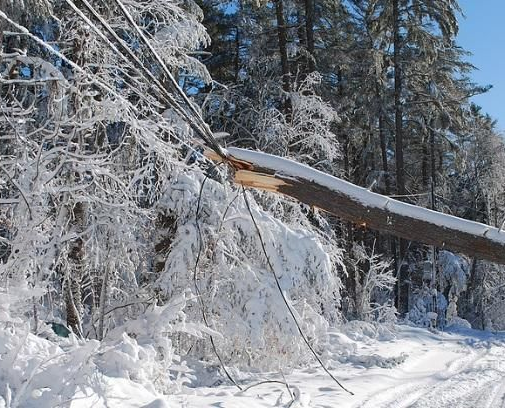
Cracked Trunks and Split Bark Should Not Be Ignored
Visible cracks in trunks or large splits in bark often indicate structural failure. Winter temperatures can worsen these fractures as moisture freezes and expands within the tree. What begins as a narrow split may widen quickly, increasing the risk of collapse.
Professional hazard tree assessment helps determine whether a tree can be stabilized or requires removal. Structural damage rarely resolves without intervention.
Snow Load Damage Can Appear Gradually
Not all winter tree damage occurs during the storm itself. Prolonged snow accumulation can slowly bend branches, weaken attachment points, and strain trunks. Once snow begins to melt, trees may fail unexpectedly due to prolonged stress.
Homeowners often overlook this delayed damage until movement or cracking becomes obvious. In these cases, winter storm tree damage may already be advanced by the time it is noticed. Early evaluation helps prevent sudden failures.
When Homeowners Typically Begin Searching for Help
After storms pass, many homeowners begin searching online for "tree removal near me" when they notice fallen limbs or blocked access. These searches are usually driven by urgency rather than long-term planning.
Working with a responsive tree company that understands winter conditions helps ensure the situation is addressed safely and efficiently. Local experience matters during winter response situations.
Why Emergency Tree Work Requires Professional Equipment
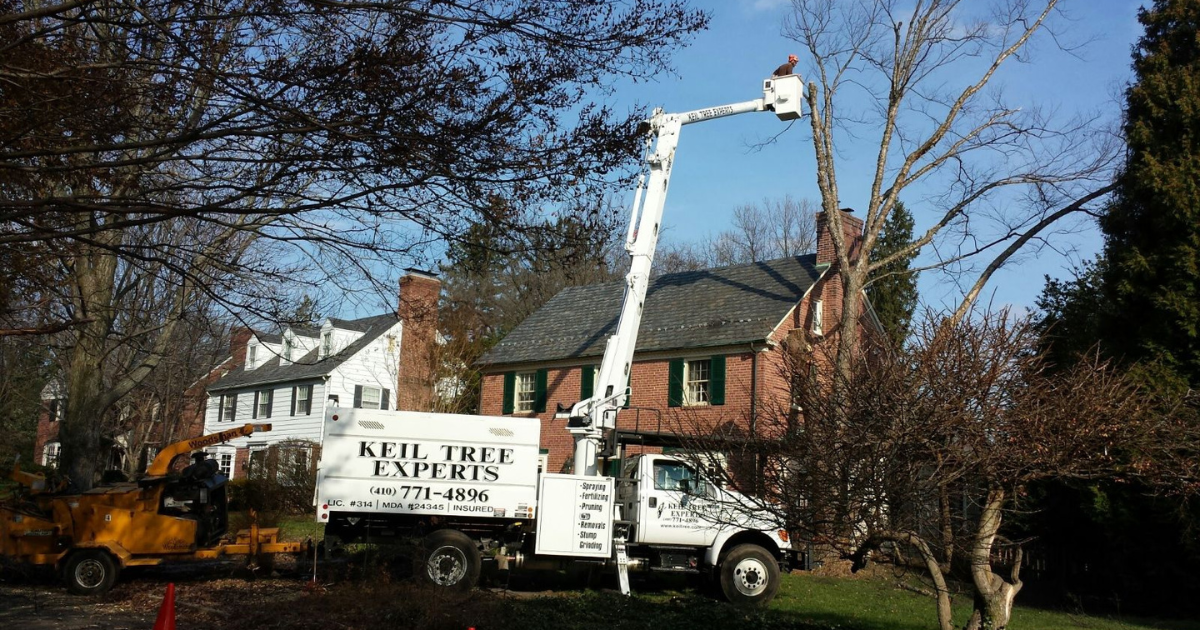
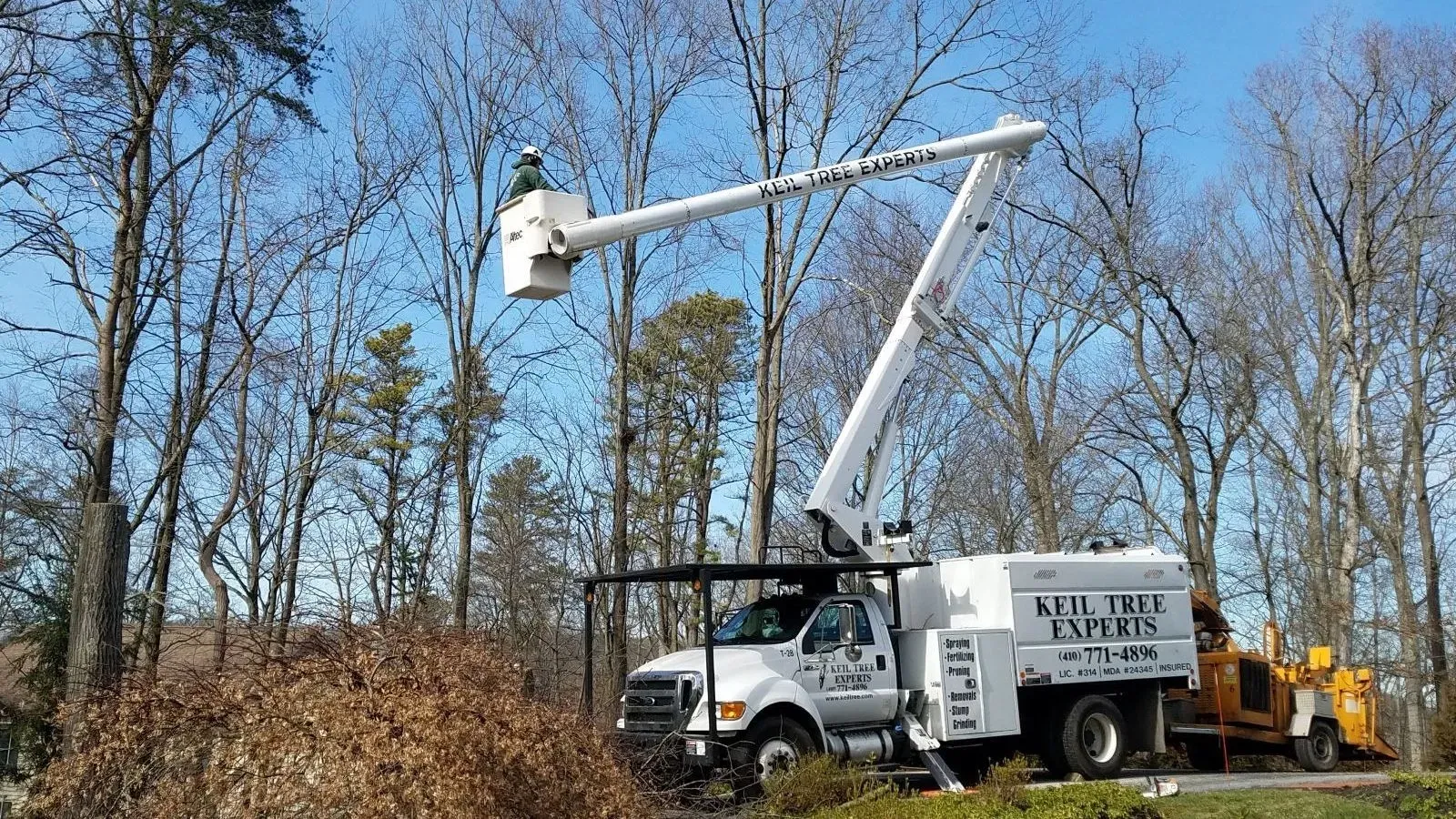
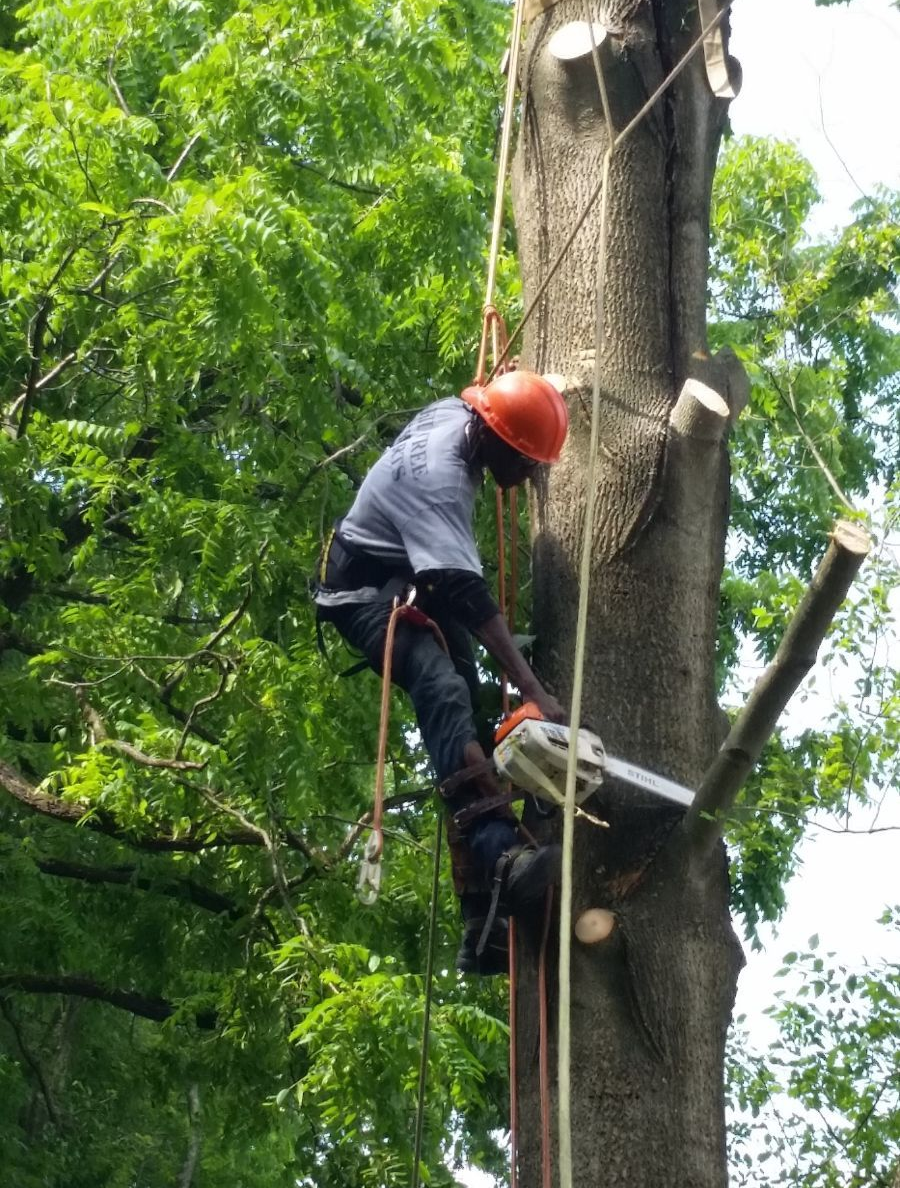
Winter emergency tree situations often involve ice, unstable footing, and compromised structures. Professional crews use specialized equipment designed for cold weather conditions, allowing them to safely access damaged trees without increasing risk.
Professional tree services focus on controlled removal and site safety rather than speed alone, especially when conditions are unpredictable. Attempting DIY solutions during winter storms often increases danger.
Post-Storm Evaluation Helps Prevent Repeat Issues
Once immediate hazards are addressed, follow-up evaluation plays an important role. Trees damaged during one storm are often more vulnerable during the next. Identifying weakened trees and addressing them proactively reduces future emergency situations.
Tree risk evaluation allows homeowners to make informed decisions about long-term property safety. Preventive planning is part of responsible tree care.
Knowing When Emergency Action Is Necessary
Not every winter storm requires immediate tree removal, but certain signs should never be ignored. Hanging limbs, leaning trees, blocked access points, and structural cracking all indicate increased risk. Winter conditions limit reaction time, making prompt decisions essential. Contact Keil Tree Experts today to learn when emergency tree response is needed and how winter storm damage should be handled safely.