Tree Trimming Before Late Summer Storms: What Maryland Homeowners Should Know
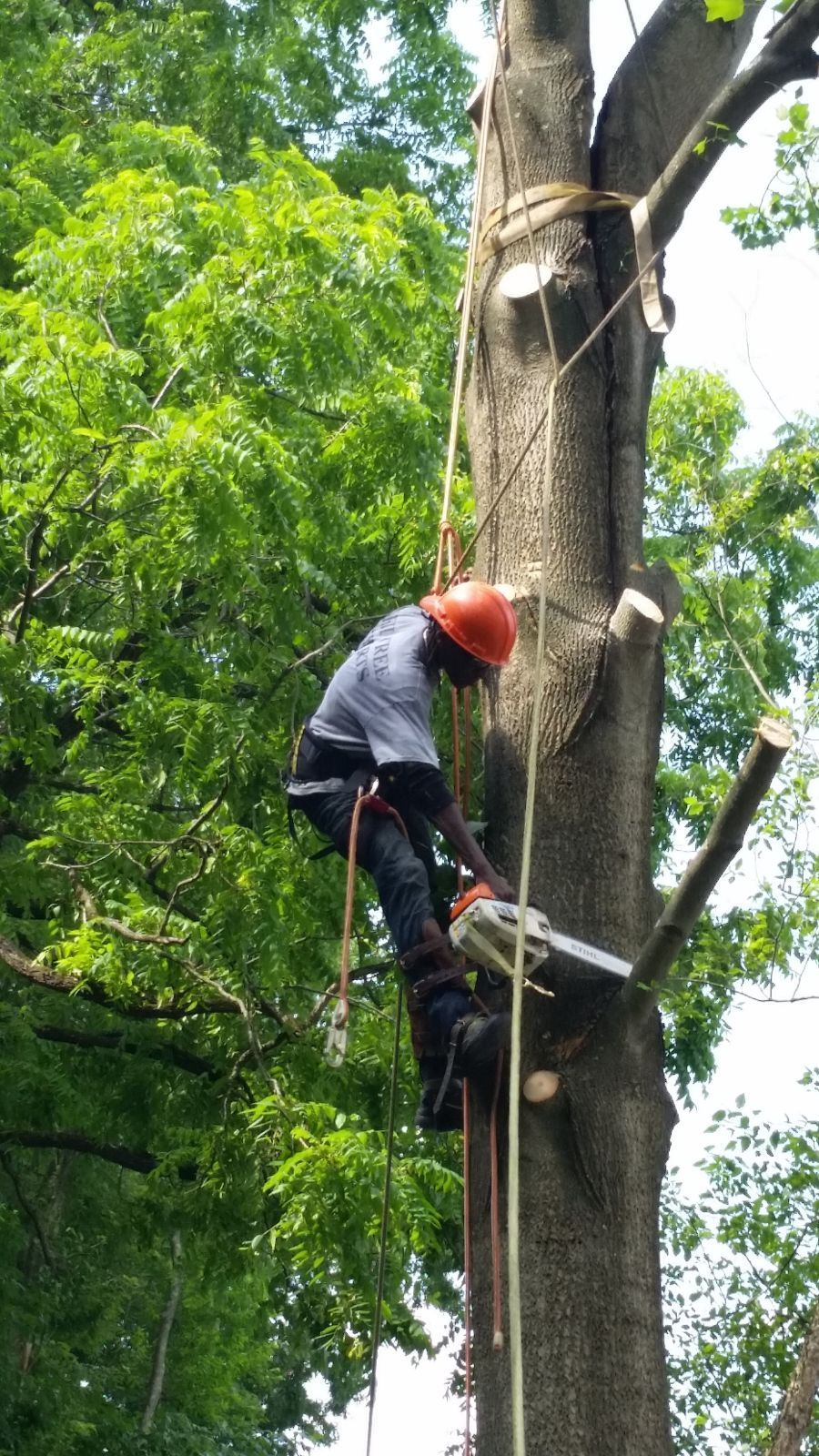
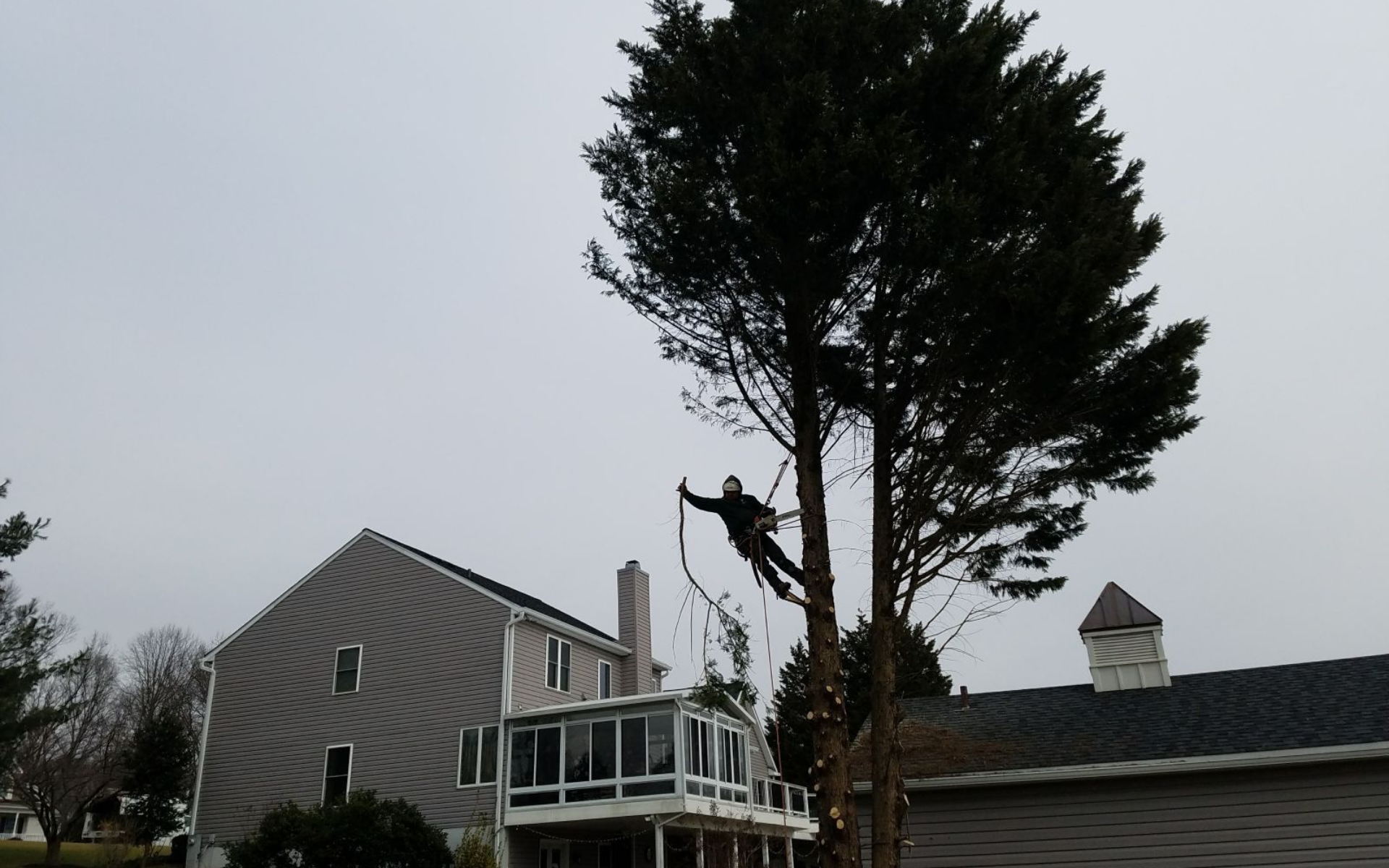
Tree trimming Maryland homeowners schedule before late summer storms can help reduce avoidable tree risks by addressing deadwood, heavy limbs, poor clearance, and canopy imbalance. It cannot guarantee that a tree will withstand every storm, but it can make the property easier to manage when strong wind, heavy rain, and saturated soil place extra stress on mature trees.
In Maryland, late summer often brings humid conditions, sudden storms, and trees carrying a full season of leaf growth. Keil Tree Experts helps homeowners look at their trees before storm activity increases, especially when branches hang over roofs, driveways, fences, walkways, or outdoor living areas.
Why Late Summer Tree Trimming Matters in Maryland
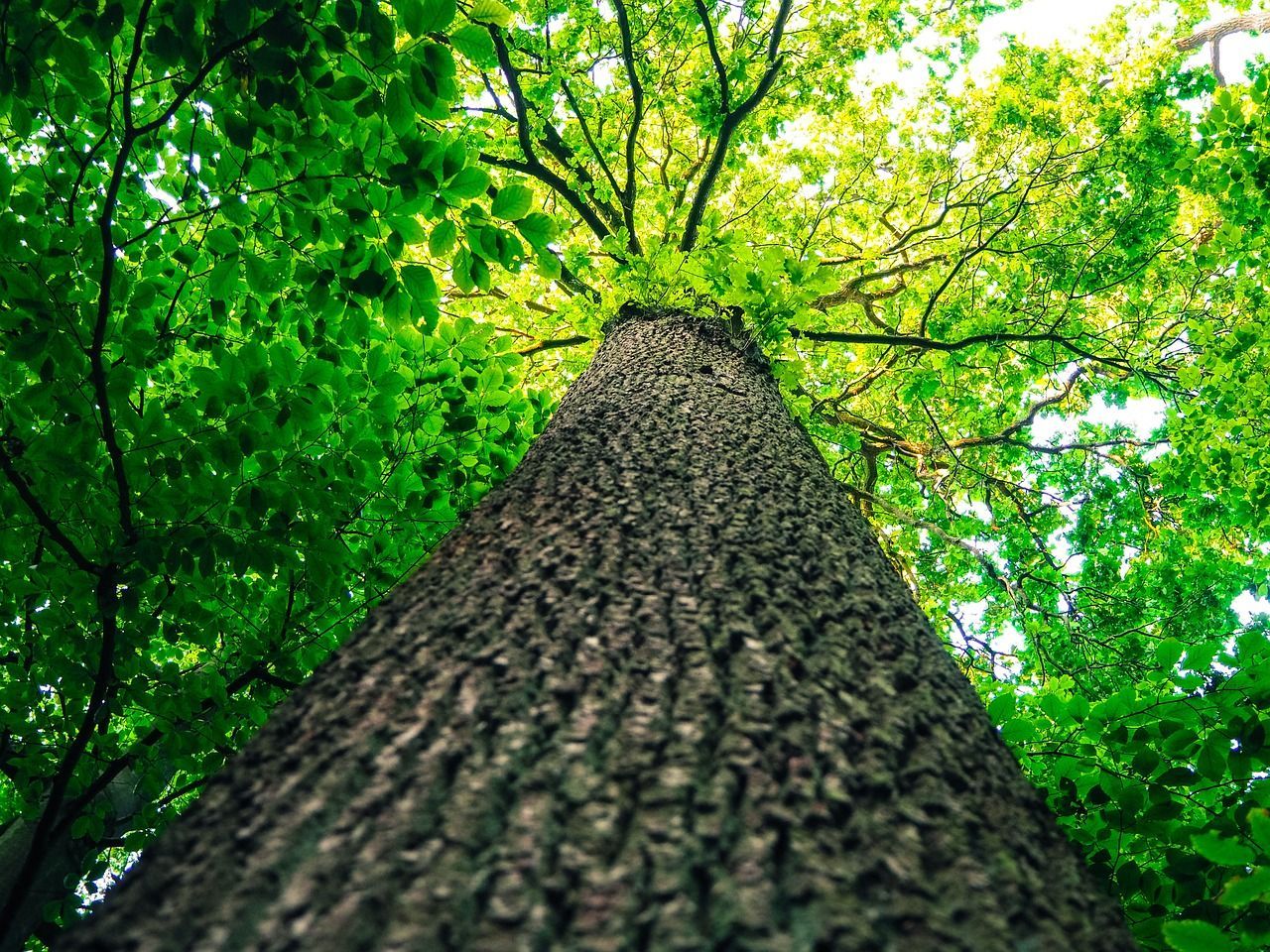
By late summer, many trees have a dense canopy. Leaves are fully grown, branches may be heavier, and earlier storm damage may still be hidden in the upper limbs. A branch that looked harmless in spring can become more concerning after months of growth and weather exposure.
Tree trimming Maryland properties before late-summer storms is often about reducing specific risks, not reshaping every tree. Keil Tree Experts may look for deadwood, cracked limbs, crowded branches, and areas where the canopy is holding too much weight over important parts of the property.
This is also when homeowners may notice branches brushing the roof, blocking driveway visibility, or hanging low over patios and walkways. When those concerns are addressed early, the property is better prepared for seasonal weather, even though no service can prevent all storm damage.
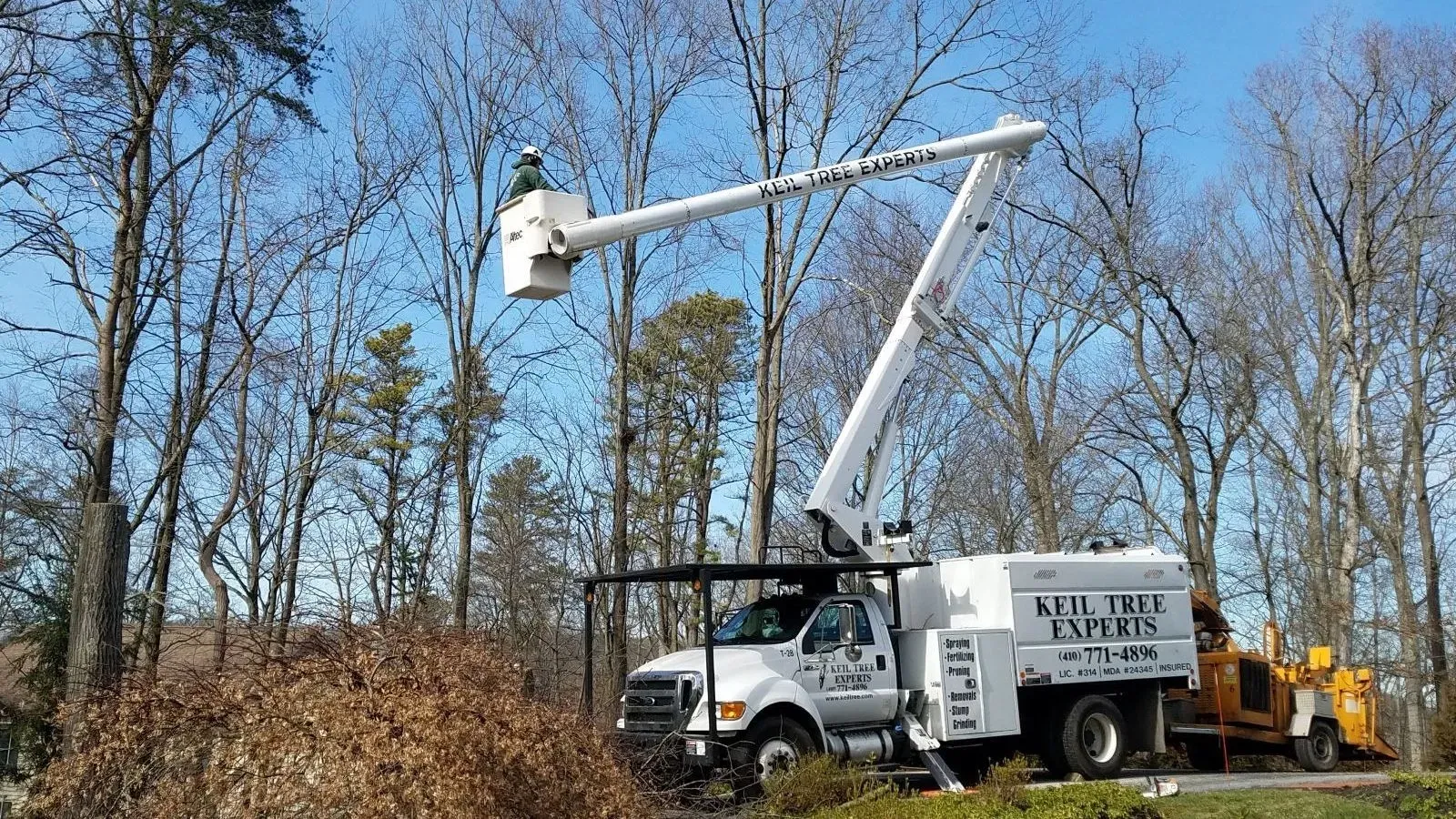
For branches that need selective clearance or structural attention before storm season, learn more about professional care through our Tree Pruning Service.
Clearance Around Homes, Roofs, and Driveways
Clearance is one of the most practical reasons to schedule trimming before late summer storms. Branches that touch a roof can scrape shingles, drop debris into gutters, or create noise and movement during wind. Limbs over driveways or walkways may also become more concerning when rain makes branches heavier.
Keil Tree Experts evaluates where the tree is growing in relation to the home. A branch over open lawn may not need the same attention as a branch over a roofline, parked vehicle, or entry path. The goal is to create safer clearance while still respecting the tree’s natural structure.
A common homeowner question is whether every branch near the house needs to be removed. Usually, the answer is no. An arborist looks at limb size, attachment strength, canopy balance, and distance from the structure before recommending cuts. Removing too much can stress the tree, so careful selection matters.
Deadwood and Weak Limbs Before Storms
Deadwood is one of the first things a professional may look for before storm season. Dead branches are more likely to break because they no longer have the flexibility and strength of living wood. During wind or rain, they can fall onto lawns, roofs, fences, vehicles, or walking areas.
Professional tree trimming helps remove dead, cracked, or weakened limbs before they become a bigger concern. Keil Tree Experts also checks for branches with poor attachment points, splitting, or signs of decay. These details are important because some weak limbs are hidden high in the canopy and are difficult to judge from the ground.
Tree trimming does not make a tree storm-proof. However, removing obvious deadwood and structurally weak limbs can reduce some of the most visible hazards. This is especially useful for mature Maryland trees near high-use areas of the property.
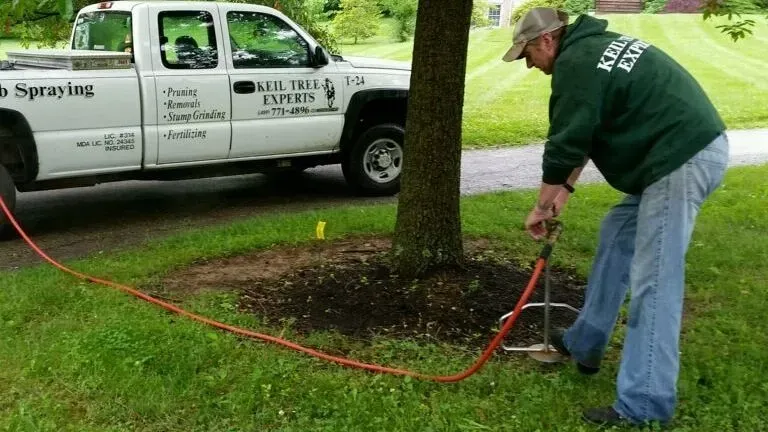
If your tree has thinning branches, dead tips, or unusual canopy changes, Keil Tree Experts can also evaluate whether the issue is connected to broader tree health care needs through our Direct Root Fertilizing Service.
Managing Canopy Weight Without Over-Trimming
A full canopy can catch wind like a sail, especially during summer storms. When a tree has heavy growth on one side or crowded branches in the upper canopy, the pressure may not be distributed evenly. Selective trimming can help manage that weight without stripping the tree.
Keil Tree Experts focuses on thoughtful cuts that improve structure, spacing, and airflow where appropriate. This may include reducing crowded limbs, removing rubbing branches, or correcting uneven growth that places too much stress on one area.
Over-trimming can create new problems. Removing too many branches at once can weaken the tree, expose bark to sun stress, and encourage unstable regrowth. That is why storm-prep trimming should be handled with arborist judgment, not aggressive cutting.
For homeowners wondering how much trimming is too much, the answer depends on the tree’s species, age, health, location, and canopy condition. A healthy mature tree may tolerate selective pruning well, while a stressed tree may need a more conservative approach.
How an Arborist Looks at Storm-Prep Trimming
An arborist does more than decide which branches look messy. The evaluation includes the tree’s structure, root conditions, canopy balance, visible defects, and the surrounding property. Keil Tree Experts considers what could happen if a limb fails and what areas of the property would be affected.
During a storm-prep visit, the team may look for:
- Deadwood over roofs, driveways, and walkways.
- Cracked limbs or weak branch unions.
- Heavy canopy sections leaning toward structures.
- Branches rubbing against the home or each other.
- Signs of stress, decay, insects, or disease.
These observations help determine whether trimming is enough or whether the tree needs additional care. Sometimes, a tree that appears to need trimming is actually showing deeper health problems. Other times, selective pruning can improve clearance and reduce branch failure risks.
For trees showing signs of decline, pest pressure, or root stress, request guidance from an arborist.
What Tree Trimming Can and Cannot Prevent
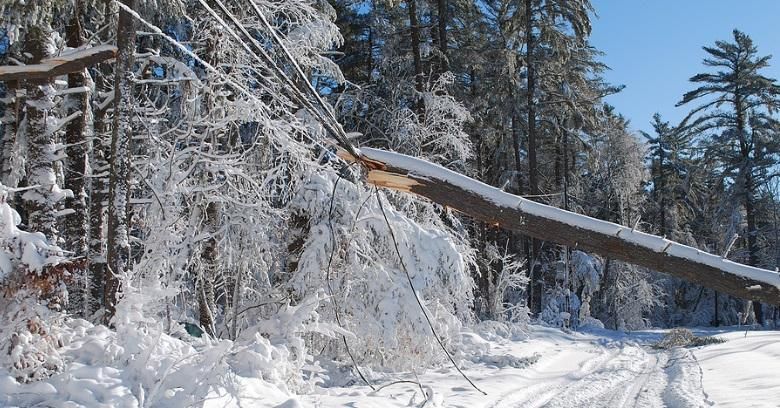
Tree trimming can support storm damage prevention, but it should never be presented as a guarantee. Strong storms can still break healthy limbs, uproot trees in saturated soil, or damage trees with hidden defects. The goal is to reduce reasonable risks, not promise complete protection.
What trimming can often help with is removing deadwood, improving clearance, reducing crowded branches, and addressing visible weaknesses. What it cannot do is control wind speed, soil saturation, lightning, or every internal defect inside a tree.
Keil Tree Experts helps homeowners understand this difference clearly. A good trimming plan is honest about risk. It focuses on what can be improved before storm season while identifying trees that may need monitoring, treatment, or further evaluation.
If a tree is already leaning, splitting, or showing major structural problems, trimming may not be enough. In that situation, professional tree services may include a deeper safety evaluation before any cutting plan is recommended. For broader support, connect with Keil Tree Experts.
Schedule Tree Trimming Before Late Summer Storms
Late summer is a smart time for Maryland homeowners to look closely at trees near homes, driveways, fences, patios, and utility areas. Branches that seem manageable in calm weather can behave differently when storms bring wind, rain, and heavy canopy movement.
Keil Tree Experts provides professional tree trimming with safety, structure, and long-term tree health in mind. The team can evaluate clearance, deadwood, canopy weight, and signs of stress before recommending the right next step.