How Certified Arborists Identify Tree Health Problems Early
A certified arborist can identify tree health problems early by studying the entire tree, not just the branches homeowners can see from the ground. Leaves, bark, roots, canopy shape, soil conditions, and nearby structures can all reveal whether a tree is healthy, stressed, or beginning to decline.
For Maryland homeowners, early tree evaluation is especially important. Mature trees often grow near roofs, driveways, fences, and wooded property lines. Heavy rain, humid summers, compacted soil, and seasonal storms can also place extra pressure on trees.
Keil Tree Experts helps homeowners recognize early warning signs before a small concern becomes a safety issue or a costly removal.
Why Early Tree Problems Are Often Overlooked
Many tree health issues begin quietly. A tree may still look green while its roots are struggling. A few bare branches may seem normal until the canopy continues thinning. Slight bark changes may not look urgent, but they can signal decay, disease, or insect activity.
A certified arborist looks for patterns. One yellow leaf does not always mean a serious problem. However, repeated leaf discoloration, weak seasonal growth, or thinning on one side of the canopy can point to stress that needs attention.
Keil Tree Experts evaluates these symptoms in relation to the property. A tree near a driveway may suffer from compacted soil. A tree near a roofline may have limbs that need structural attention. A tree along a wooded edge may compete for sunlight, water, and growing space.
If your tree has unusual leaf color, visible pests, or signs of disease, schedule a closer inspection through Insect and Disease Management Service.
What a Certified Arborist Notices During an Inspection
A homeowner may notice that a tree “doesn’t look right,” but an arborist looks for the reason behind that change. The inspection may begin with the canopy, then move down to the trunk, root flare, and soil.
During an evaluation, Keil Tree Experts may look for:
- Deadwood forming in the upper canopy.
- Cracks, cavities, or wounds on the trunk.
- Fungal growth near the base of the tree.
- Weak branch connections or crossing limbs.
- Exposed roots, compacted soil, or drainage issues.
Each sign tells part of the story. Deadwood may suggest decline, but it can also be connected to storm damage or natural aging. Fungal growth may point to internal decay. Soil compaction may explain weak leaf growth even when the branches look stable.
This is why professional tree health care services are helpful. They focus on diagnosis before action, so homeowners avoid guessing or choosing the wrong solution.
How Canopy Changes Reveal Stress
The canopy is one of the first places where tree stress becomes visible. A healthy canopy usually has balanced growth, steady leaf density, and strong seasonal development. When growth becomes thin or uneven, the tree may be reacting to a problem below the surface.
Canopy thinning can happen because of root damage, poor soil, insects, disease, or past storm stress. Dead branch tips may also suggest that water and nutrients are not moving properly through the tree.
Keil Tree Experts studies where the thinning appears. If one side of the canopy is weaker, the cause may be related to light exposure, root damage, or nearby construction. If the top of the canopy is declining, the concern may be more serious.
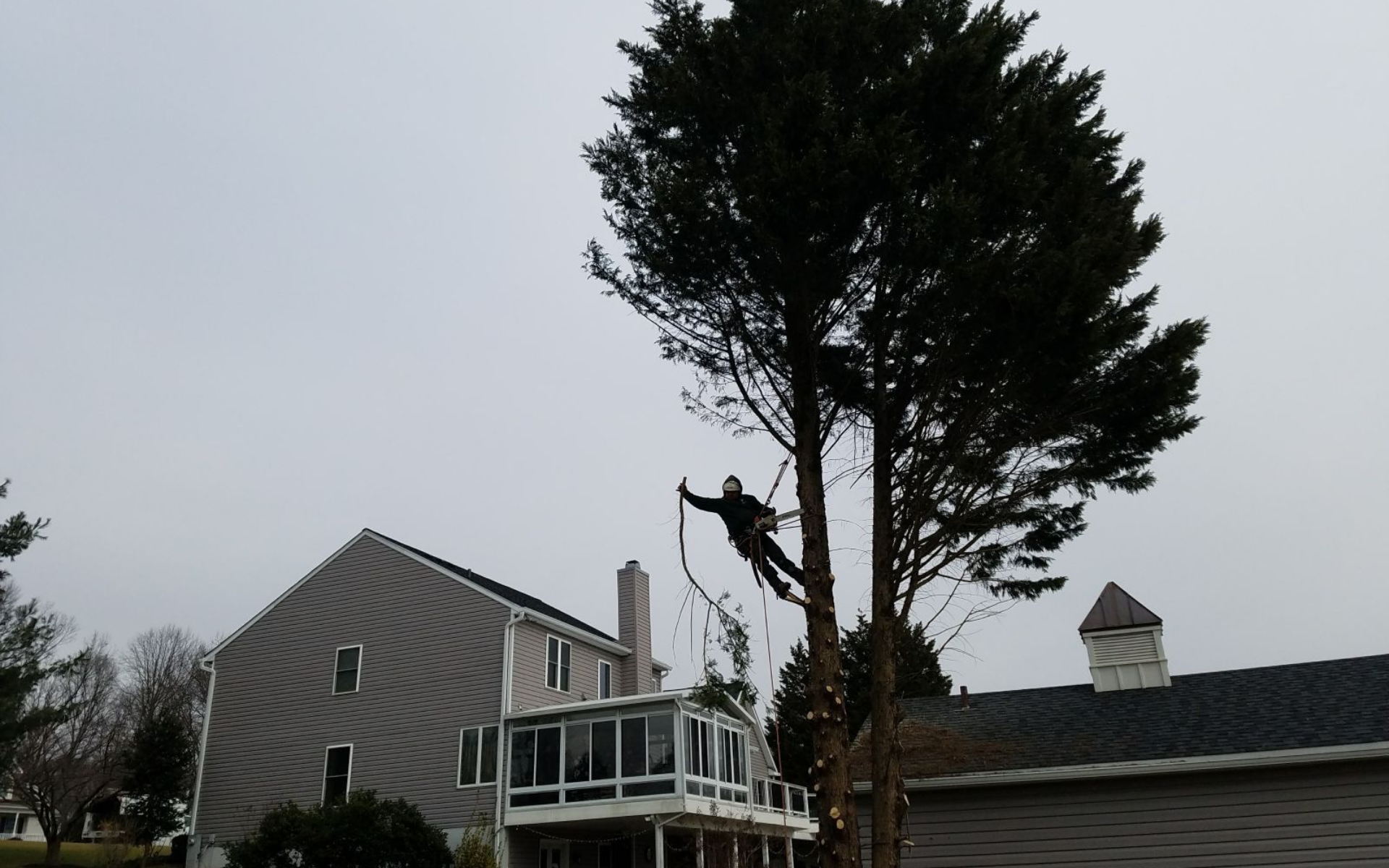
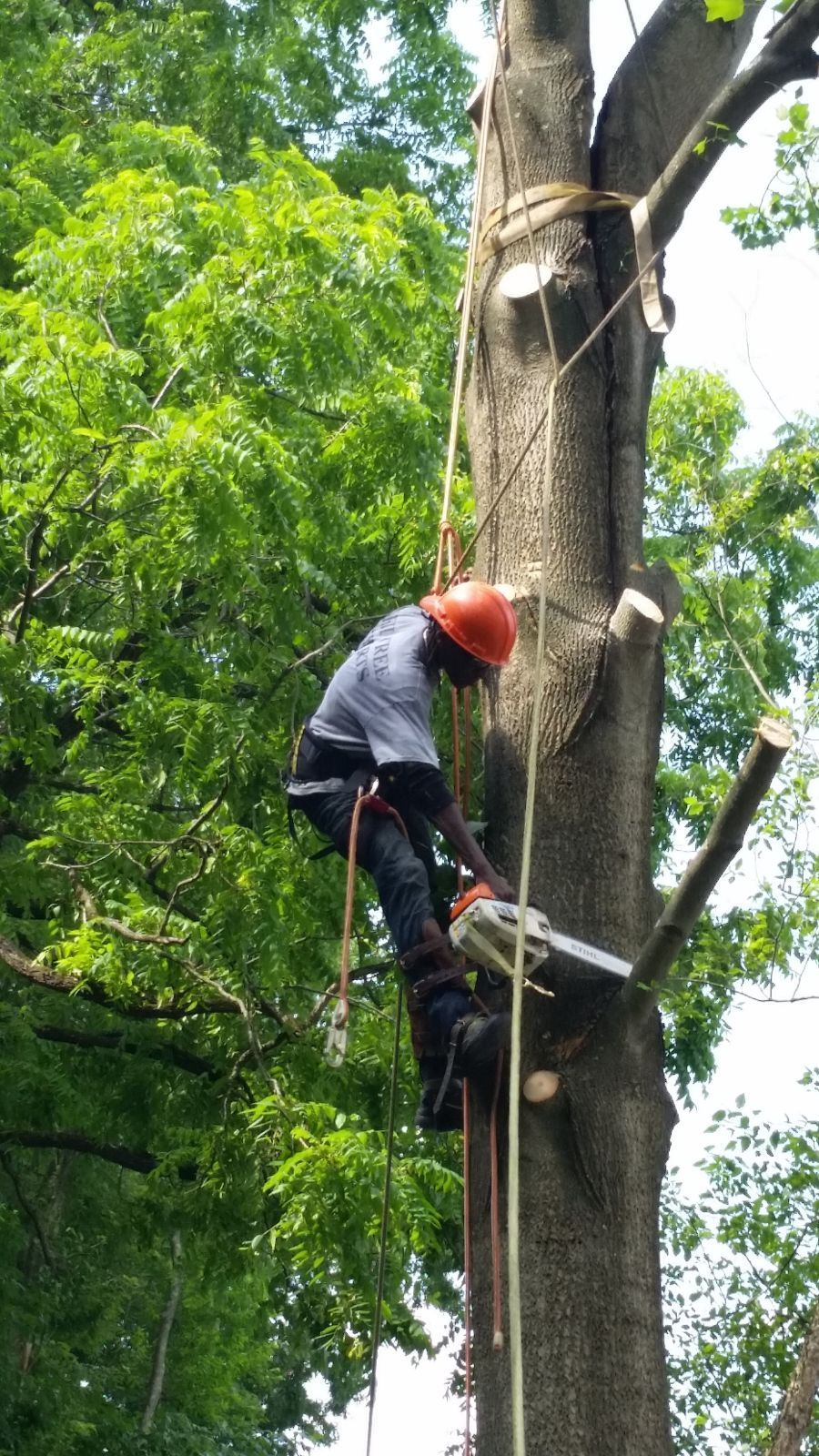
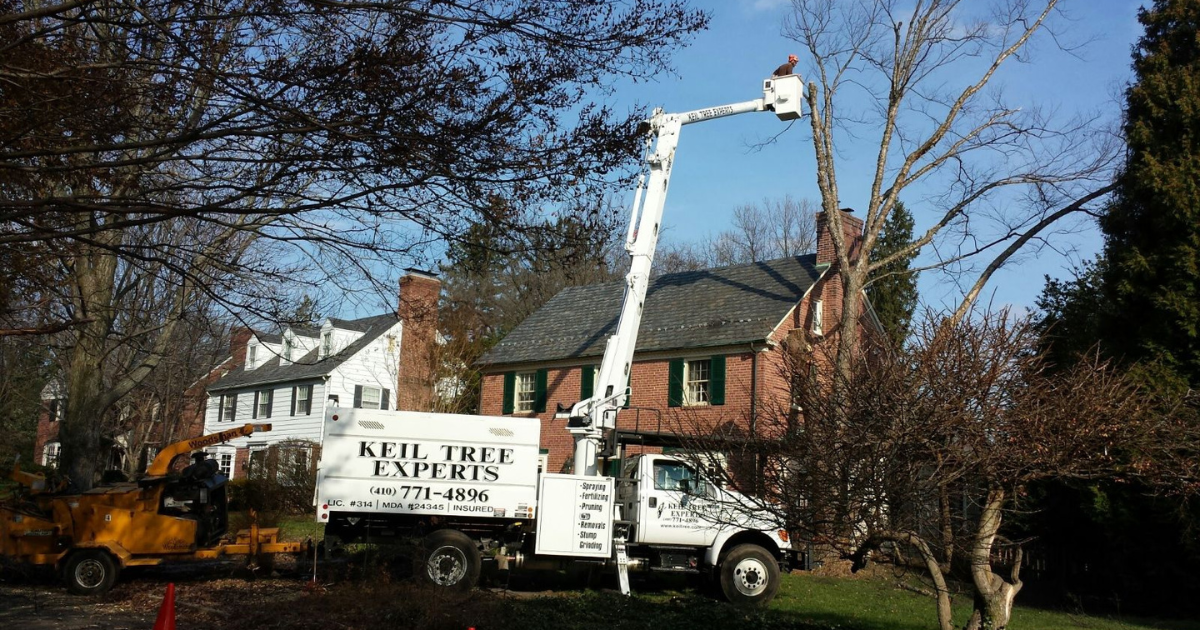
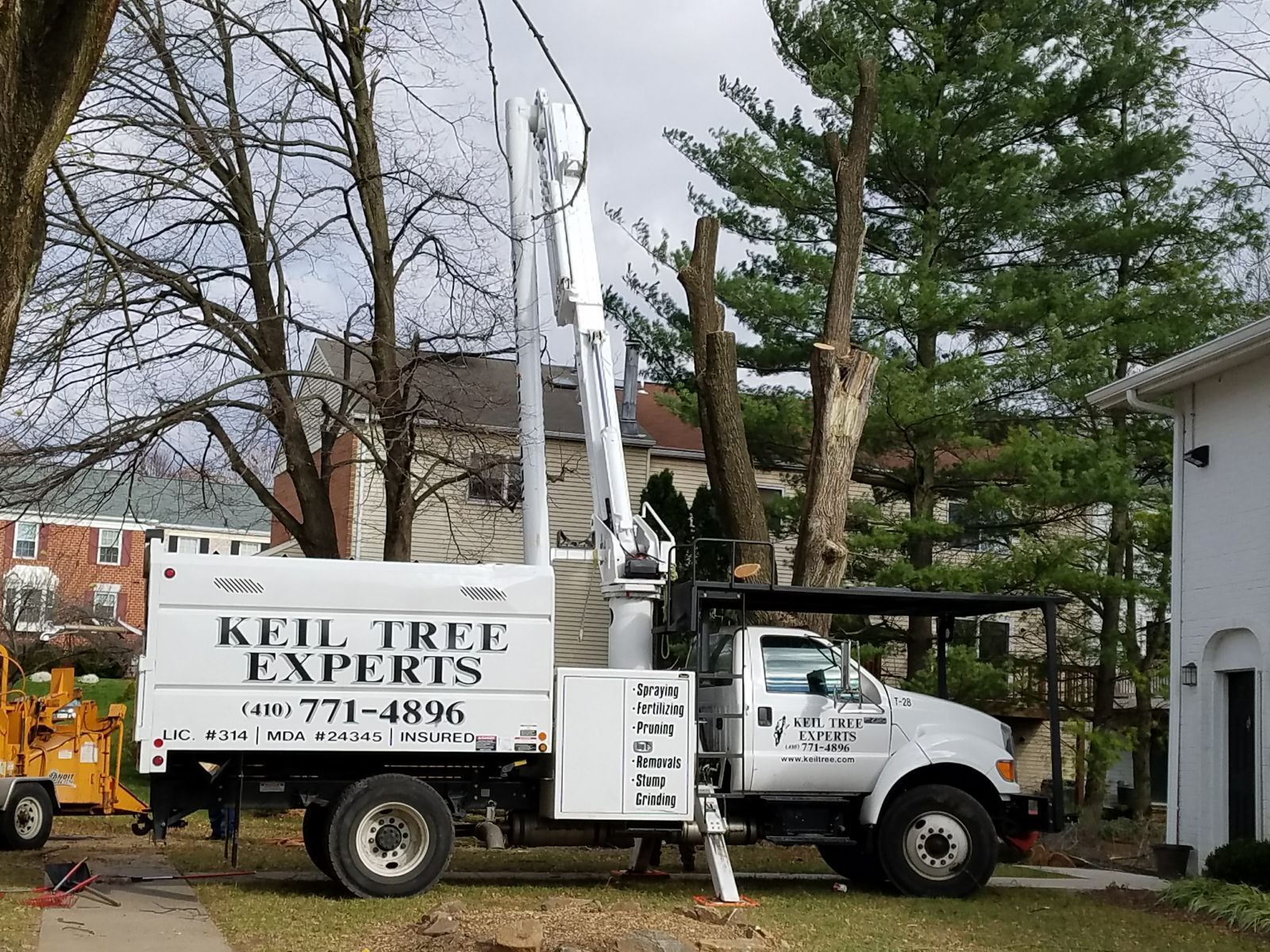
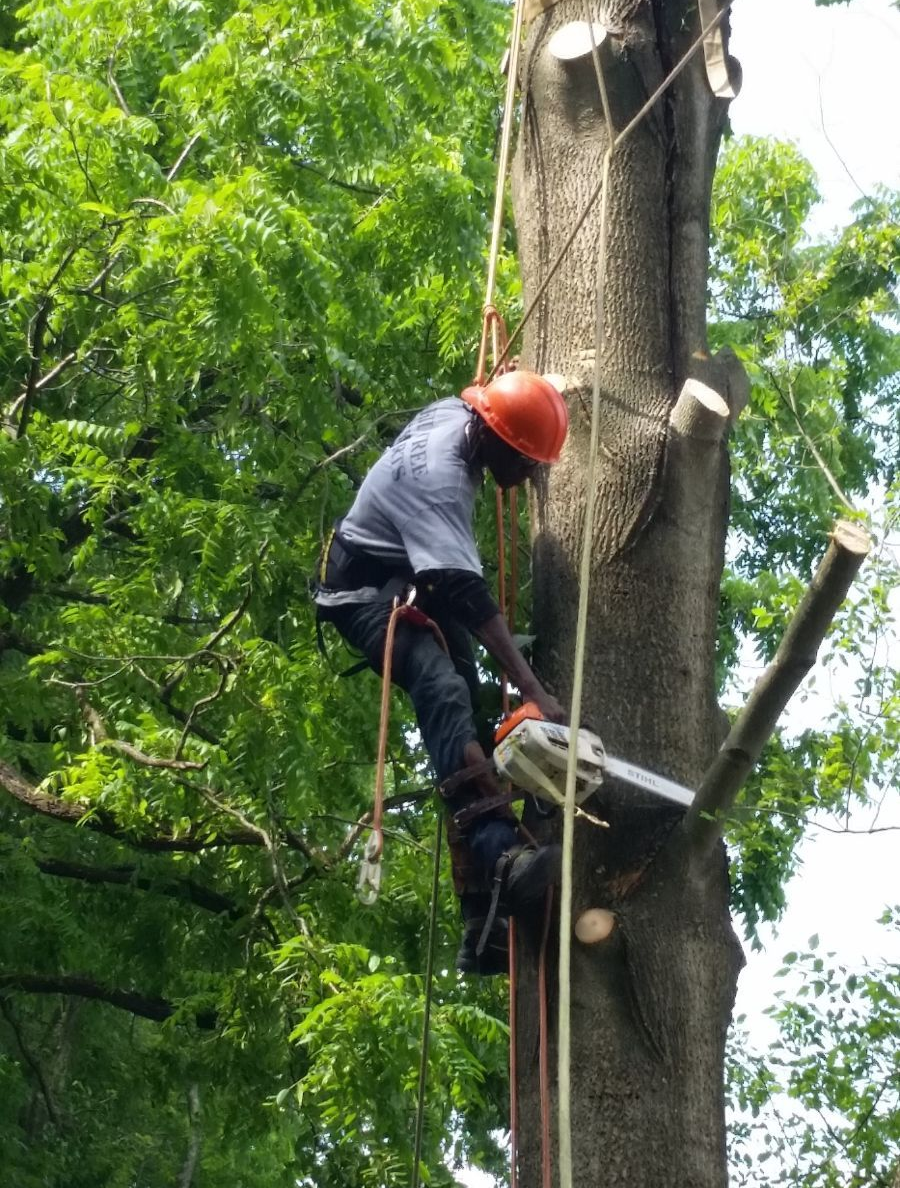
In some cases, professional tree trimming can help remove damaged limbs, improve airflow, and reduce strain on weak branches. If your tree has crowded or damaged branches, Keil Tree Experts can recommend selective care through our
Tree Pruning Service.
Why Roots and Soil Affect the Whole Tree
Tree health starts below ground. Roots support the tree, absorb water, and help move nutrients into the canopy. When the root zone is damaged or compacted, the tree may begin to decline even if the trunk still looks strong.
Maryland properties often have clay-heavy soil that holds water after rain. In active yards, lawn equipment and foot traffic can compact the soil around mature trees. This limits oxygen and makes it harder for roots to function well.
A certified arborist may inspect the root flare, surface roots, soil moisture, and nearby hardscapes. Keil Tree Experts may also consider whether mulch, grading, drainage, or past construction has affected the tree’s growing environment.
When weak growth is connected to soil or root stress, surface-level trimming may not be enough. For trees with sparse leaves, poor growth, or signs of soil stress, support long-term recovery through Direct Root Fertilizing Service.
When Tree Health Becomes a Safety Concern
Not every unhealthy tree is immediately dangerous. Some trees can improve with treatment, pruning, or ongoing monitoring. However, certain health problems can increase safety risks over time.
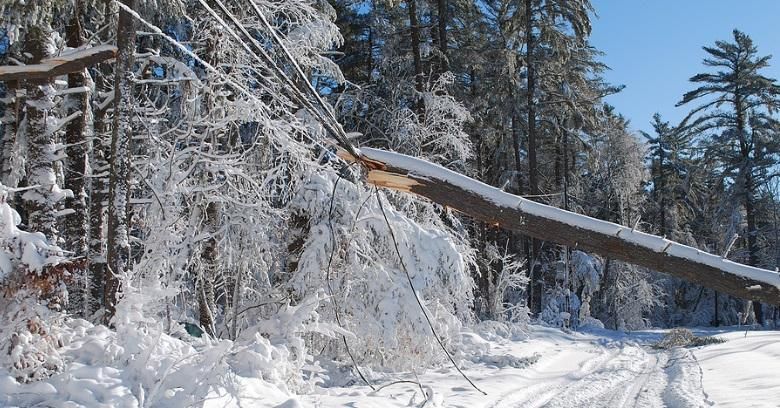
A tree becomes more concerning when health issues appear with structural problems. Cracked limbs, trunk decay, leaning, exposed roots, or major deadwood can make a tree more vulnerable during wind and rain.
Location also matters. A weakened limb over a driveway is more urgent than a similar limb in a low-use wooded area. A declining tree near a home, fence, or neighboring property needs careful evaluation because failure could cause damage.
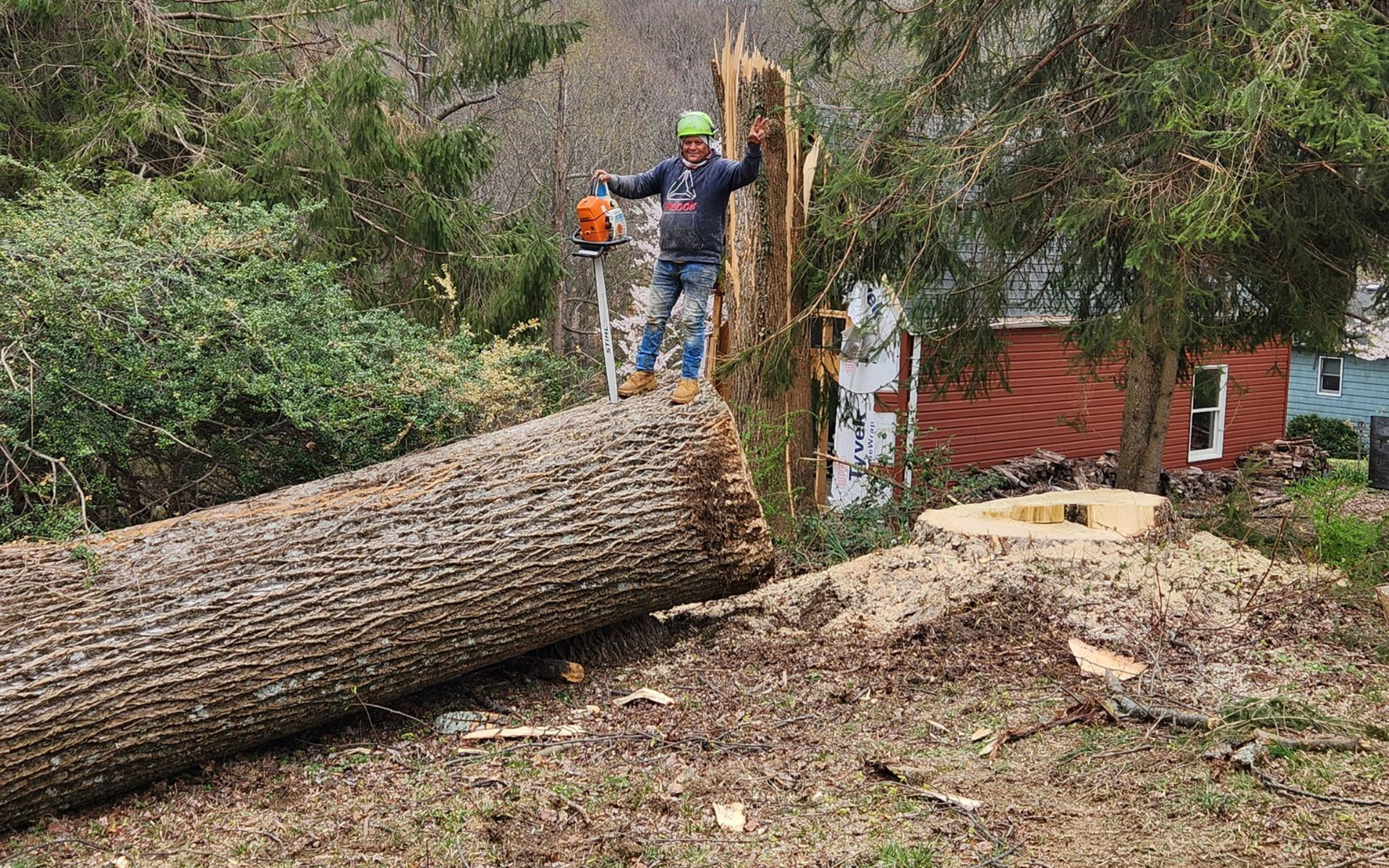
Keil Tree Experts helps homeowners understand whether a tree can be preserved safely or whether removal should be considered. If an unhealthy tree is leaning, cracking, or dropping large limbs near important areas, request a safety-focused evaluation through
Tree Removal Service.
The Value of Professional Guidance Before Cutting
Tree trimming can be useful, but it should not be done without understanding the tree’s condition. Cutting too much from a stressed tree can make the problem worse. Removing the wrong limbs can also affect canopy balance and future growth.
A certified arborist helps decide what type of care is appropriate. Some trees need pruning. Others need soil support, pest treatment, monitoring, or removal. Keil Tree Experts focuses on helping homeowners make informed decisions based on the tree’s condition and the surrounding property.
This approach protects more than one tree. Healthy trees improve shade, curb appeal, lawn comfort, and long-term landscape value. Early care can also reduce the chance of emergency tree services after storms.