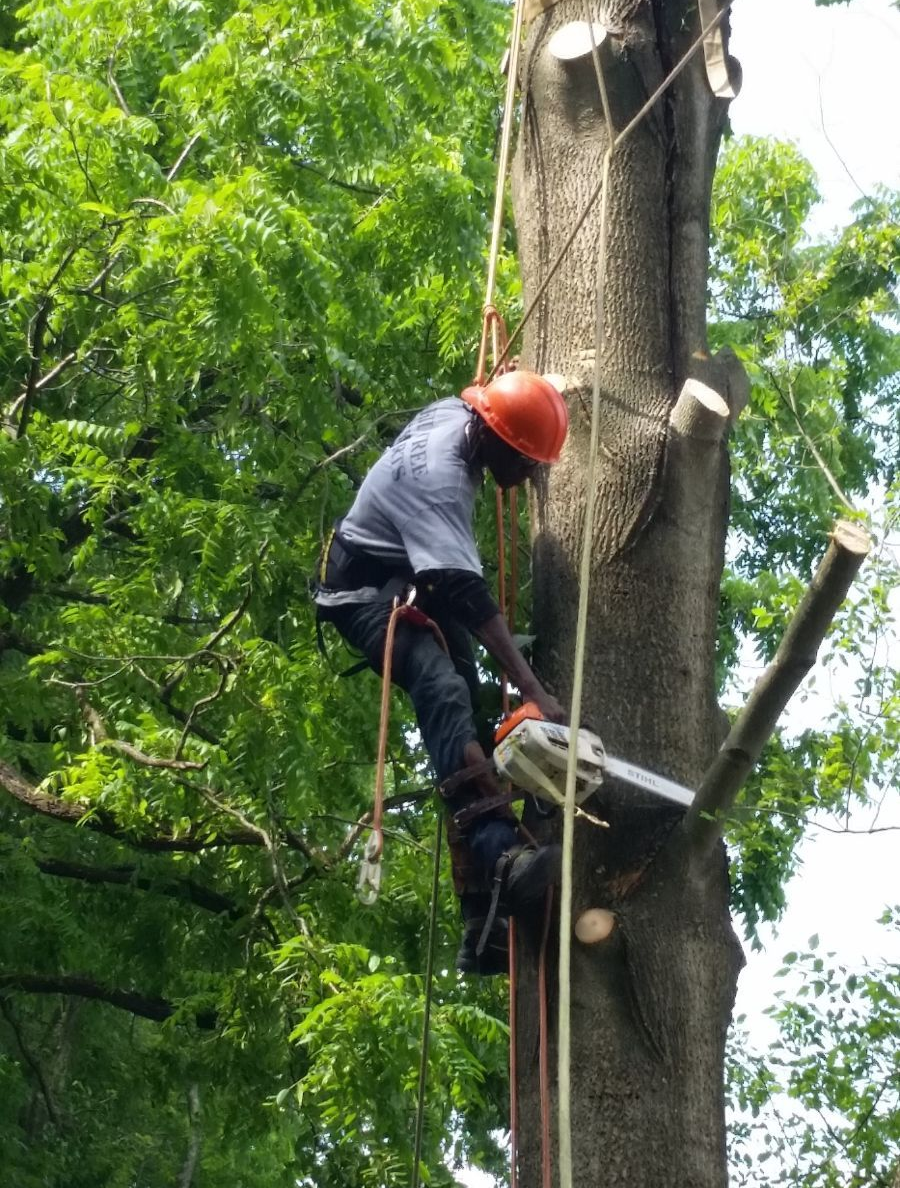
When Emergency Tree Removal Is Necessary After a Storm
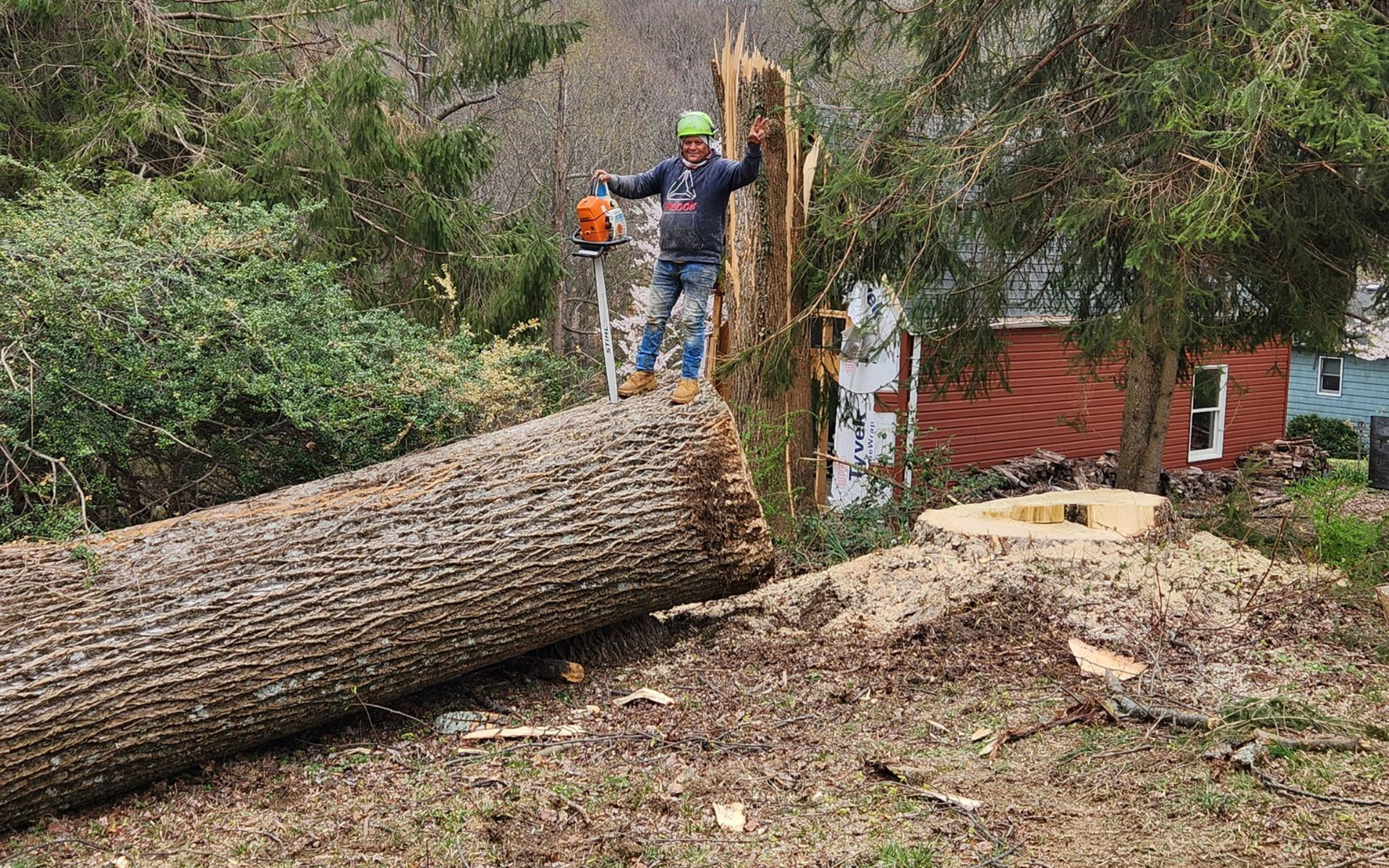
Emergency tree removal is necessary after a storm when a tree has fallen, split, shifted, or become unstable enough to threaten people, homes, driveways, utilities, or nearby structures. After heavy rain and wind, a tree that looked healthy before the storm may suddenly expose cracked limbs, loosened roots, or a dangerous lean.
For Maryland homeowners, storm damage can happen quickly because mature trees often grow near houses, fences, garages, and wooded property lines. Keil Tree Experts helps property owners understand when storm damage requires urgent action and when a tree can be evaluated for repair, pruning, or long-term care. The goal is to make the property safer without rushing into unnecessary work.
Why Storm-Damaged Trees Can Become Dangerous Fast
Storms place sudden pressure on trunks, limbs, roots, and soil. Strong wind can twist branches. Heavy rain can soften the ground around the root system. In winter, freeze-thaw stress can make existing cracks worse. Once that pressure builds, a tree may fail in sections or fall completely.
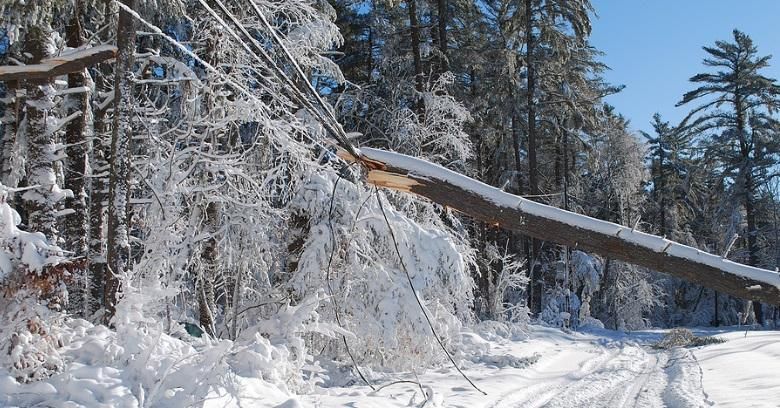
Emergency tree removal is often needed when a tree is no longer structurally reliable. A broken limb hanging over a roof, a trunk split down the middle, or roots lifting from saturated soil can create immediate risk.
Keil Tree Experts evaluates the whole situation before work begins. The team considers where the tree is leaning, what it could hit, how much of the canopy is damaged, and whether equipment can safely access the area.
If a storm-damaged tree is leaning toward your home, driveway, or outdoor living space, If a storm-damaged tree is leaning toward your home, driveway, or outdoor living space, learn more about our Emergency Tree Service.
Signs You May Need Emergency Tree Removal
Not every damaged tree needs to be removed immediately. Some trees can recover with professional care. However, certain warning signs should be treated seriously after a storm.
Call for an emergency assessment if you notice:
- A tree has fallen onto a home, garage, fence, or vehicle.
- A large limb is hanging over a roof, driveway, or walkway.
- The trunk is split, cracked, or separating near the base.
- Soil is lifting around the roots of a leaning tree.
- The tree is touching or resting near utility lines.
These signs can become more dangerous if people walk under the tree or try to cut branches without proper training. Storm-damaged wood can shift without warning. Large limbs may be under tension and release suddenly when cut.
For trees that have already fallen across usable areas of the property, Keil Tree Experts can help clear the hazard through our
Tree Removal Service.
How Arborists Decide Whether Removal Is Necessary
A storm can make damage look dramatic, but the safest decision still depends on the tree’s condition. A certified arborist looks for structural issues that affect stability, not only visible debris.
A split trunk is one of the clearest warning signs because the tree may no longer be able to support its own weight. Exposed roots are also serious, especially after heavy rain, because soil movement can reduce the tree’s stability. Hanging limbs create another concern since branches can fall without warning, even after the storm has passed.
A severe lean may mean the tree is pulling away from its root system. In some cases, major canopy loss can also create imbalance, making the tree more likely to fail during future wind or rain.
Keil Tree Experts may recommend emergency tree removal when the tree cannot safely remain in place. In other cases, pruning or cleanup may be enough to reduce risk. This kind of professional judgment helps homeowners avoid guessing during a stressful situation.
Licensed tree removal is especially important near homes, driveways, sheds, fences, and neighboring properties. A controlled plan helps protect the surrounding area while the hazardous tree is removed in sections.
Fallen Trees, Large Trees, and Tight Property Access
Fallen tree removal can be complicated when the tree lands across a roof, blocks a driveway, or damages nearby landscape features. Large tree removal can be even more sensitive because of weight, height, and limited space.
On many Maryland properties, mature trees grow close to homes or between structures. A large oak, maple, or pine may not have a clear landing area. That means the crew may need to cut and lower the tree in controlled sections instead of removing it all at once.
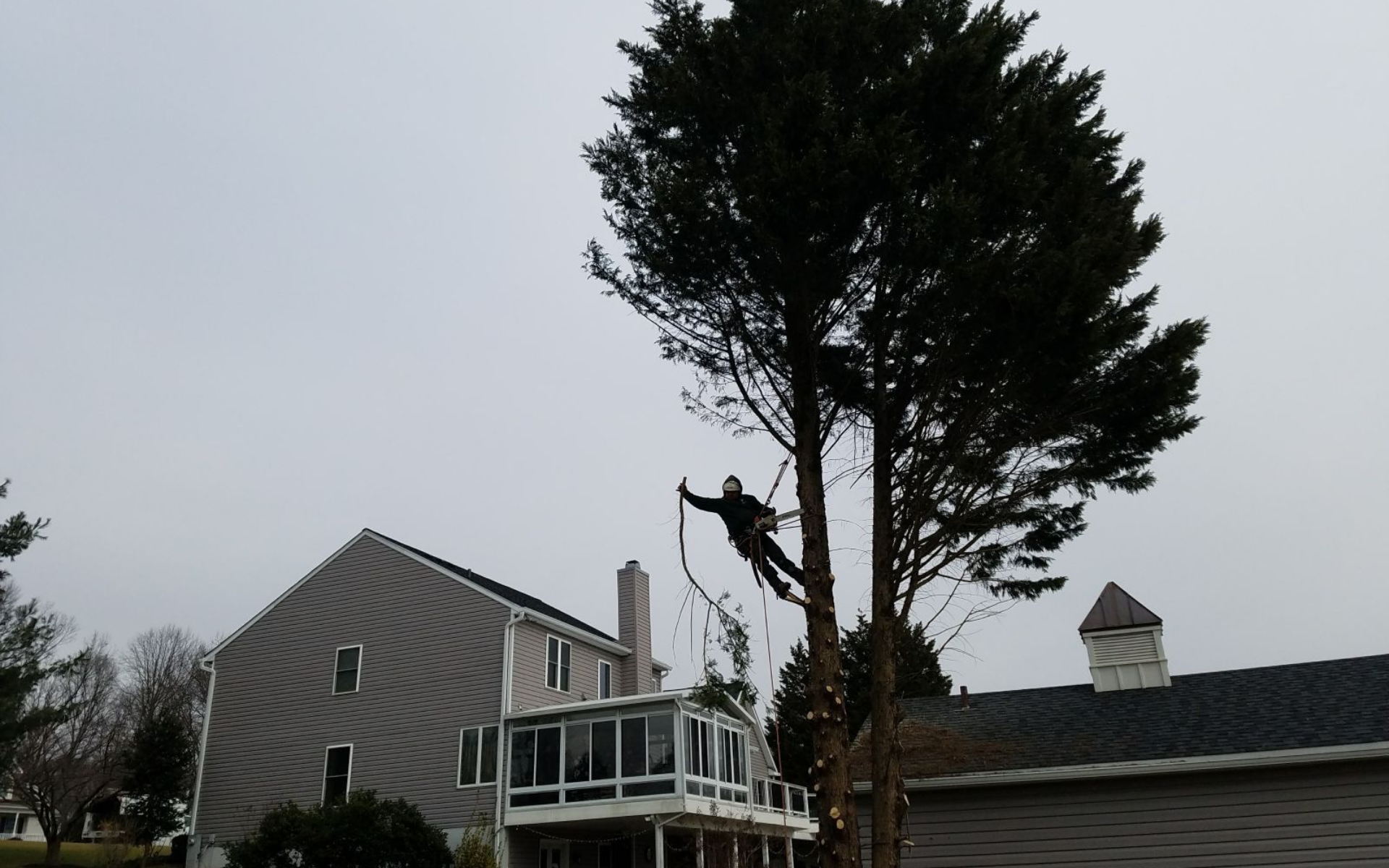
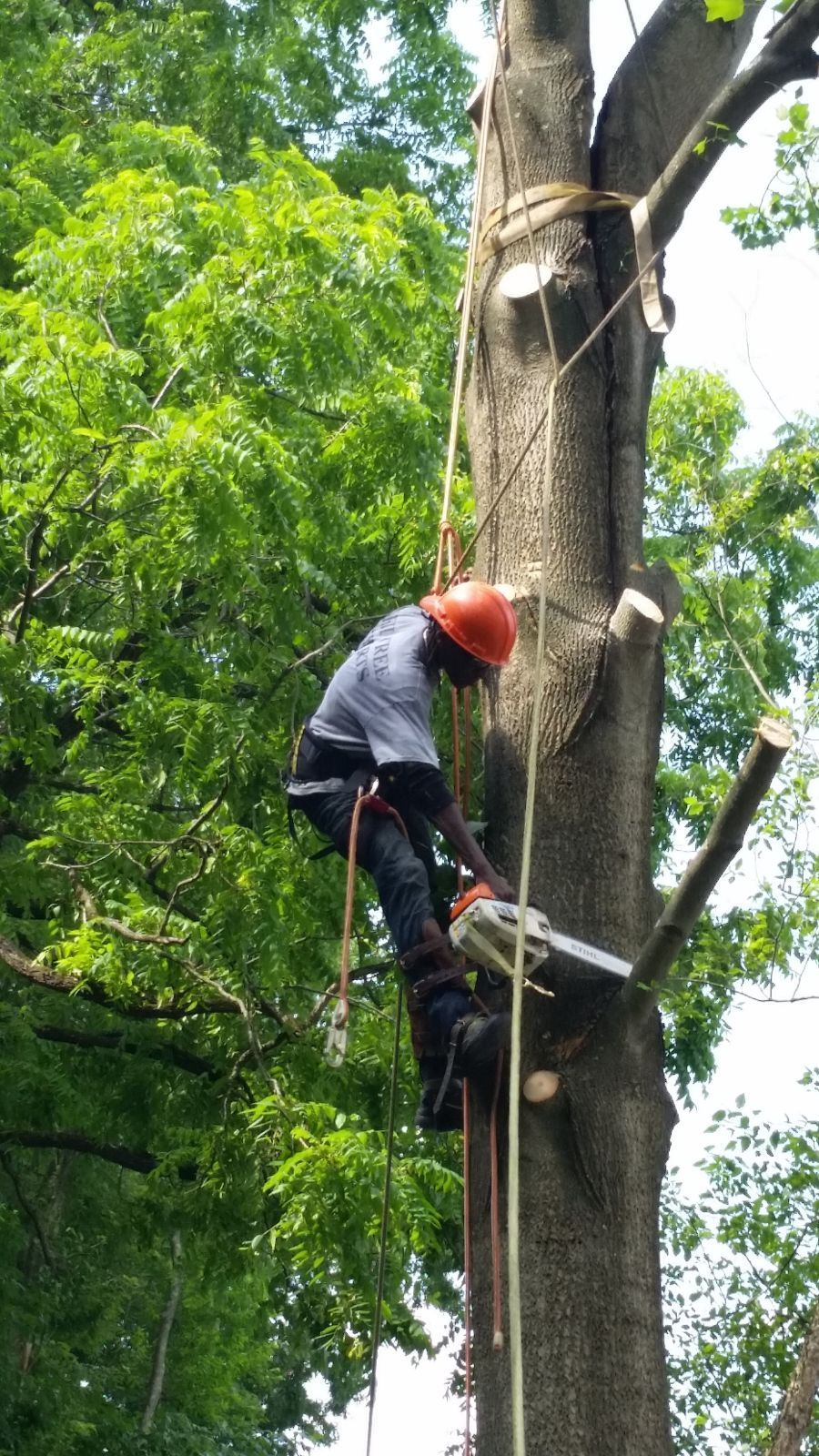
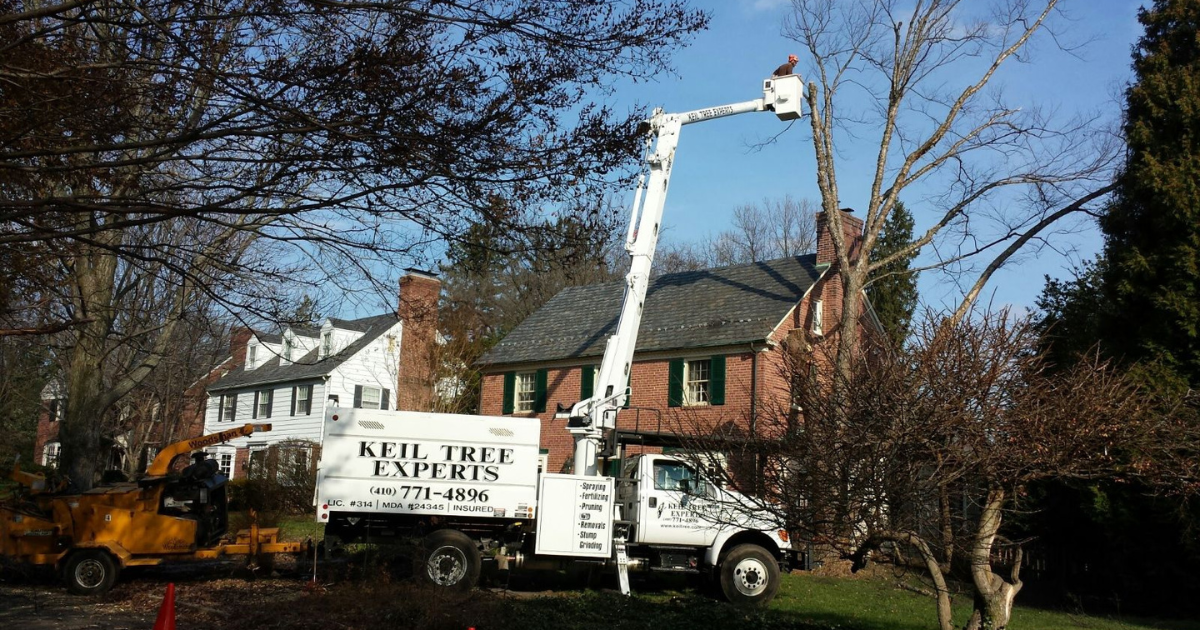
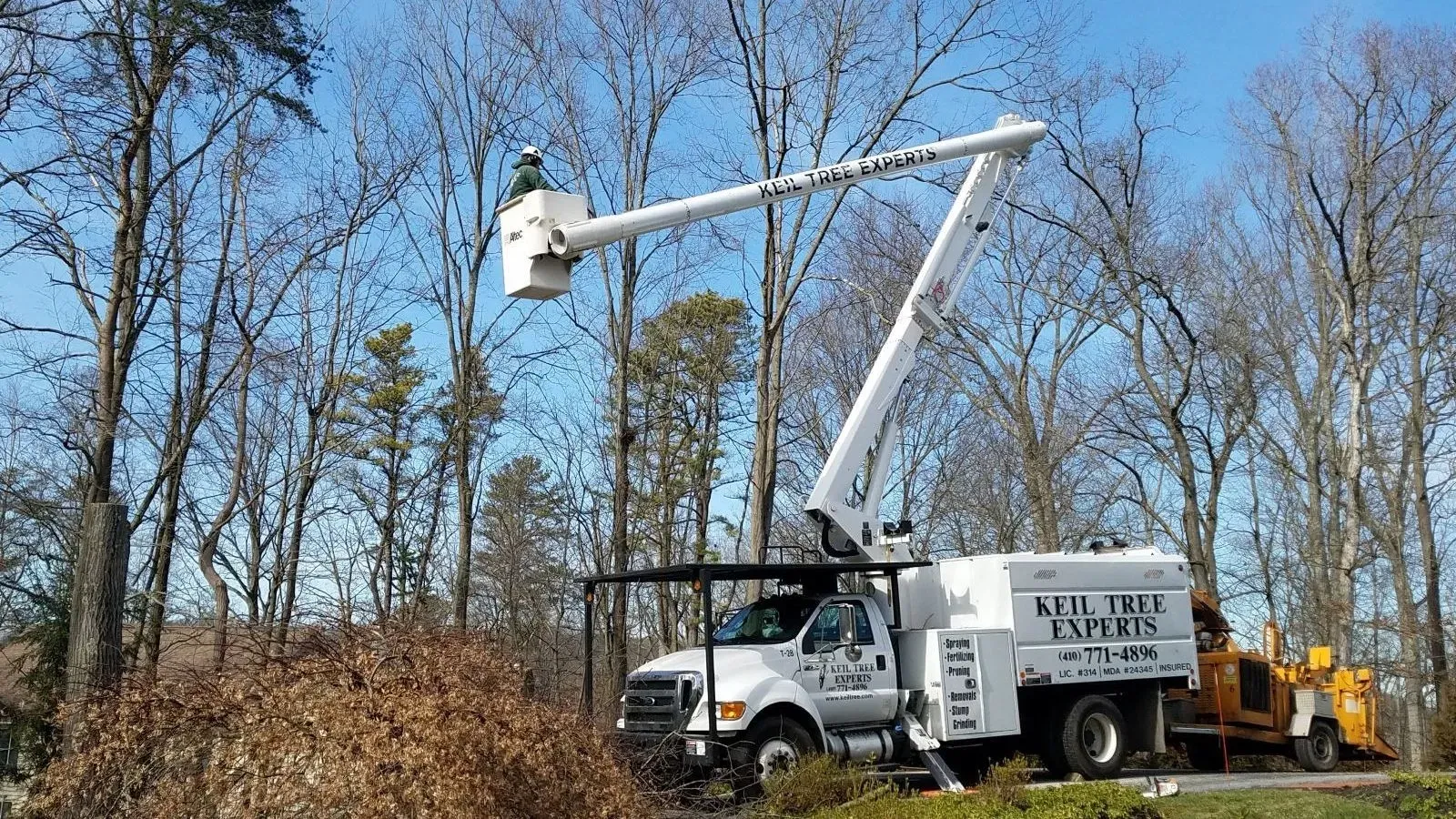
Keil Tree Experts considers access before starting the work. The team may need climbing techniques, rigging, or specialized equipment depending on the location of the tree. If the tree is difficult to reach safely from the ground, professional equipment may help reduce risk and improve control.
For storm-damaged trees near roofs, slopes, or hard-to-reach areas, ask about safe access solutions through Bucket Truck Services.
What Homeowners Should Avoid After Storm Damage
After a storm, it is natural to want the yard cleared quickly. However, damaged trees can be unpredictable. A branch may look stable while pressure is trapped inside the wood. A leaning tree may shift after the soil dries or after another gust of wind.
Avoid these common mistakes:
- Do not stand under hanging limbs.
- Do not climb a damaged tree.
- Do not cut large branches without proper equipment.
- Do not pull a fallen tree with a vehicle.
- Do not ignore exposed roots or new leaning.
Homeowners should also avoid assuming that a partially fallen tree is safe because it has stopped moving. The remaining trunk or canopy may still be unstable.
Keil Tree Experts can inspect the damage, explain the risk, and recommend the safest next step. This may include emergency removal, selective cutting, cleanup, or follow-up tree services for surrounding trees affected by the same storm.
After Emergency Removal: Cleaning Up the Property
Emergency work often focuses on immediate safety first. Once the hazardous tree is removed, the property may still need cleanup, stump grinding, or additional inspection.
Storm damage can leave torn limbs, scattered debris, damaged turf, and exposed root areas. If the stump remains in a high-use part of the yard, it may affect mowing, walking, or future landscaping plans.
Keil Tree Experts helps homeowners think beyond the first emergency call. Removing the immediate hazard is important, but restoring safe use of the yard matters too.
If the remaining stump is in the way after removal, continue the cleanup with Stump Grinding Service.
It is also smart to inspect nearby trees after one tree fails. Trees growing in the same soil, wind path, or wooded edge may have similar stress. A follow-up review can help prevent the next storm from creating another urgent situation.
Call Keil Tree Experts After Storm Tree Damage
Storm-damaged trees should be handled with care, especially when they are close to a house, driveway, fence, or utility area. Emergency tree removal is not only about speed. It is about making the property safe with the right equipment, planning, and arborist judgment.
Keil Tree Experts provides professional tree services for Maryland homeowners dealing with fallen trees, hazardous limbs, unstable trunks, and storm cleanup needs. Whether the issue is a large tree near the home or a fallen tree blocking access, the team can help evaluate the situation and remove the hazard safely.