Stump Removal After Tree Removal: Why Waiting Can Create Yard Problems
Stump removal Maryland homeowners schedule after tree removal can help prevent mowing obstacles, unwanted regrowth, pest activity, and future landscaping problems. A stump may seem harmless once the tree is gone, but it can slowly interfere with how the yard looks, drains, grows, and functions.
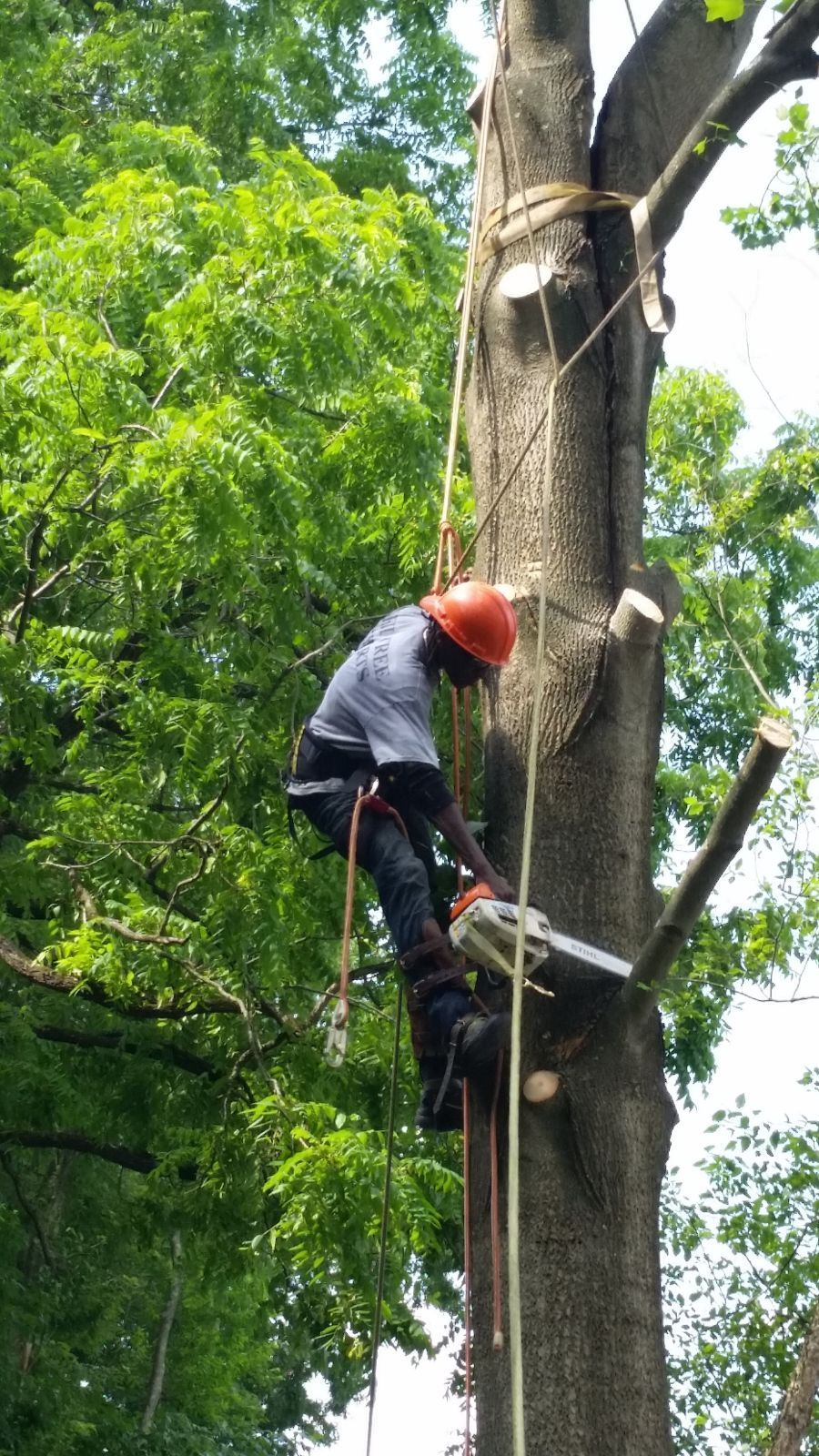
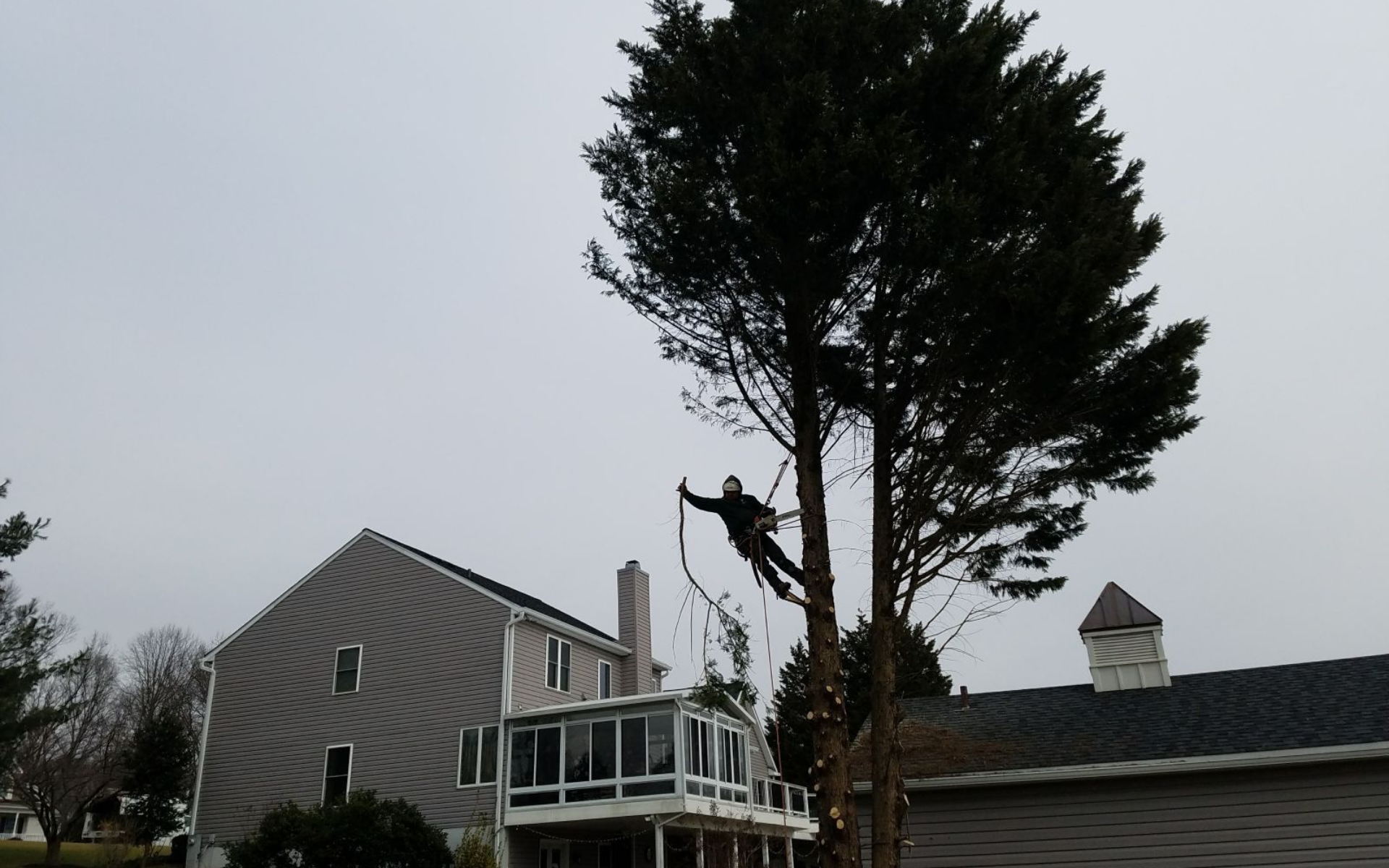
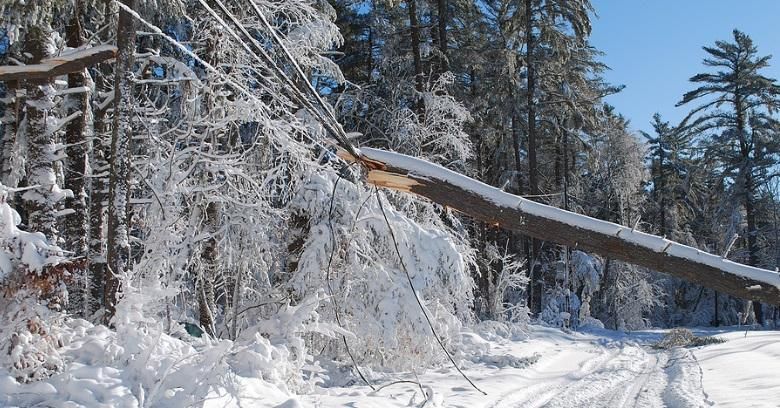
After tree removal, many homeowners focus on clearing the immediate hazard first. That makes sense, especially if the tree was leaning, storm-damaged, or too close to the home. But once the trunk and limbs are gone, the remaining stump can create a new set of problems. Keil Tree Experts helps Maryland property owners finish the job with practical stump grinding and cleanup options that support safer, cleaner yard restoration.
Why the Stump Still Matters After Tree Removal
Tree removal solves the larger safety concern, but the stump stays connected to the yard. It may sit in the middle of the lawn, near a fence line, close to a walkway, or inside a future planting area. Over time, that leftover wood can become more frustrating than homeowners expect.
A stump can make the yard harder to maintain because mowing around it takes extra time and creates uneven results. It can also become a trip hazard, especially when grass grows around the base and hides the edges. In smaller yards, one stump can affect how the entire space is used.
Keil Tree Experts often sees homeowners wait until the stump becomes an obstacle. The better approach is to think about the next use of the space right after the tree is removed. If you recently had a tree taken down and want a cleaner finish, learn more about completing the project through our Stump Grinding Service.
Mowing Obstacles and Everyday Yard Frustration
One of the most common reasons homeowners request stump removal is simple: the stump gets in the way. Mowers have to move around it. Trimmers are needed along the edges. Grass can grow unevenly around exposed roots and leftover wood.
This becomes even more noticeable during Maryland’s growing season, when lawns need regular care. A stump near the middle of the yard can interrupt mowing patterns every week. A stump near a slope, driveway edge, or fence can make the work even more awkward.
There is also the risk of equipment damage. Hitting a stump, root edge, or buried wood with a mower can damage blades and create a safety concern. Even if the stump is low, it can still be high enough to catch equipment or cause uneven cutting.
Professional stump grinding helps lower the remaining wood below the surface so the area can be restored more easily. For homeowners planning lawn repair, new grass, or a cleaner open space, removing the stump is often the practical next step.
Pest Activity and Decaying Wood
A leftover stump slowly begins to decay. While decay is natural, it can attract insects and other pests into areas close to the home, patio, shed, or garden. Carpenter ants, beetles, termites, and other wood-loving pests may use decaying material as a place to feed or nest.
Not every stump will create a pest issue, but waiting increases the opportunity for activity. This is especially true when the stump stays damp, sits in shade, or is surrounded by mulch, leaves, or thick grass.
Keil Tree Experts looks at stump placement as part of the bigger property picture. A stump at the back of a wooded lot may be less urgent than one near the foundation, deck, walkway, or children’s play area. The closer the stump is to active living areas, the more sense it makes to handle it before it becomes a nuisance.
If the original tree was removed because it was damaged, diseased, or declining, the stump may also be part of the same concern. In those cases, a stump removal service can help clear away leftover material and support a healthier yard environment.
Regrowth Can Make the Yard Look Unfinished
Some stumps continue sending up shoots after tree removal. This regrowth can appear around the stump base, along surface roots, or in nearby lawn areas. It may look small at first, but it can become a recurring maintenance problem.
Homeowners often ask whether they can just keep cutting the sprouts back. You can, but that does not solve the underlying issue. Repeated regrowth means the root system is still trying to survive. Each time shoots appear, the yard can look messy again.
Stump grinding helps reduce the visible stump and makes regrowth easier to manage. It also gives homeowners a better starting point for yard restoration. Keil Tree Experts can explain what to expect based on the tree species, stump size, and location.
If the tree removal itself has not yet been completed, Keil Tree Experts can help plan the work from start to finish through our Tree Removal Service. Coordinating removal and stump grinding can make the final cleanup smoother.
Future Planting and Landscape Planning
Waiting on stump removal can limit what you do next with the yard. A stump may sit exactly where you want new grass, a garden bed, a walkway, or another tree. Even when the stump is not in the way visually, underground roots can make planting more difficult.
Future planting needs clean space, better soil preparation, and enough room for new roots to establish. A leftover stump can interfere with all of that. It may also affect grading if you want the lawn to look smooth and even.
Keil Tree Experts encourages homeowners to think about the future use of the area before deciding to leave a stump in place. Are you planning to reseed? Will the area become part of a landscape bed? Do you need safer walking space for kids, pets, or guests? These questions help determine how soon stump removal should happen.
For many Maryland properties, stump grinding is the most practical choice because it removes the visible obstruction and allows the area to be cleaned, leveled, and prepared for the next stage.
What Happens During Stump Grinding
Stump grinding uses specialized equipment to grind the stump down into wood chips below the surface. The exact depth depends on the site, stump size, nearby roots, and what the homeowner plans to do with the area afterward.
Keil Tree Experts considers access, surrounding lawn, nearby structures, and cleanup needs before beginning. A stump near a fence or slope may require a different approach than one in an open front yard. The goal is to remove the obstacle while keeping the work controlled and efficient.
After grinding, the area may be filled, leveled, or prepared for future yard restoration. Some homeowners use the space for grass. Others prepare it for mulch, planting, or a cleaner open lawn. The right finish depends on the property and the homeowner’s plans.
For broader tree services after removal, cleanup, or yard recovery, contact Keil Tree Experts through our to schedule the next step.
Schedule Stump Removal Before the Yard Becomes Harder to Manage
A stump may not feel urgent right after tree removal, but waiting can create avoidable problems. Mowing becomes harder. Pests may move into decaying wood. Regrowth can keep returning. Future planting plans can be delayed because the old stump is still in the way.
Keil Tree Experts helps Maryland homeowners complete the tree removal process with professional stump grinding and thoughtful cleanup support. Whether the stump is in a front lawn, backyard, fence line, or future planting area, the team can help restore safer and more usable space.