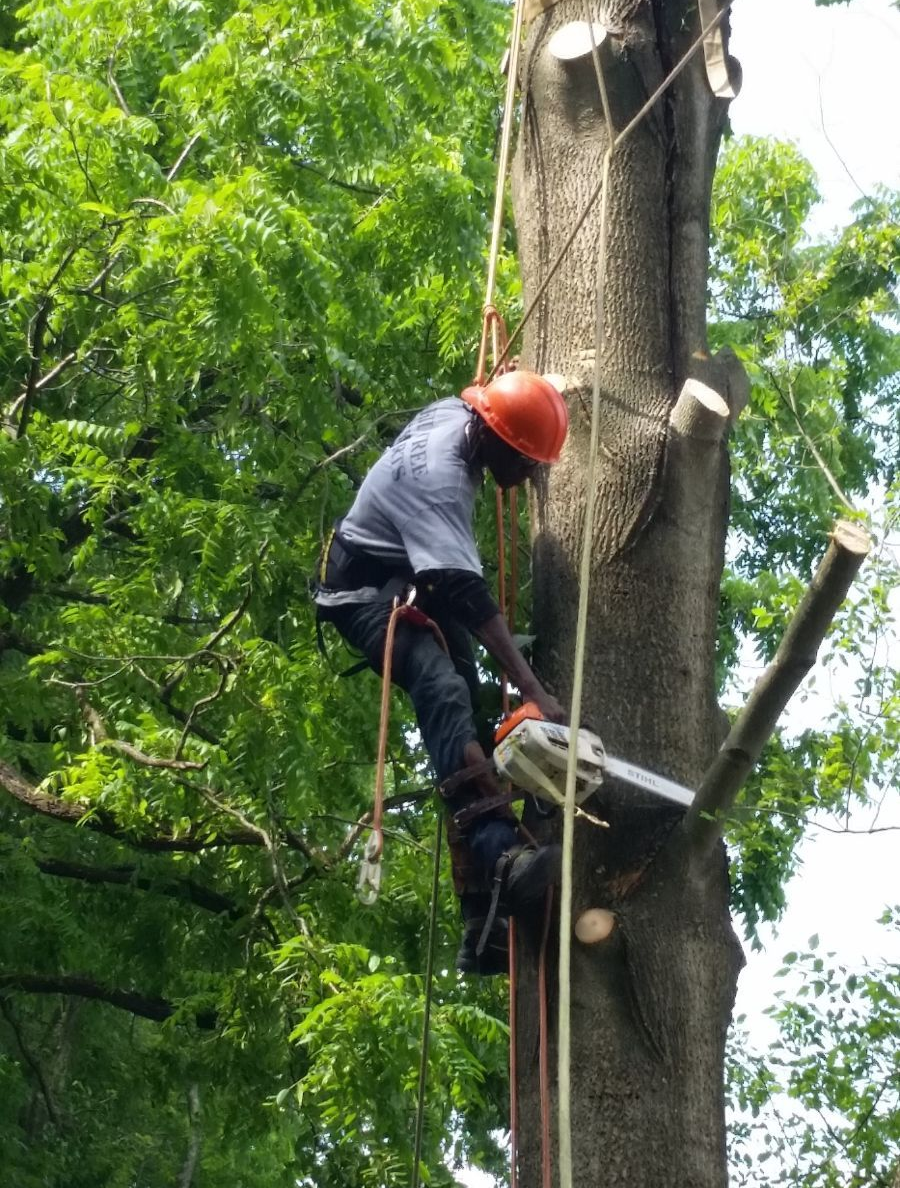
Towson tree pruning: A planning timeline from consultation to completion
Professional tree pruning begins before the first branch is cut. The process includes identifying the homeowner’s concerns, inspecting the tree, defining the pruning objective, evaluating access and completing the work without removing more living material than necessary.
For homeowners considering tree pruning in Towson, MD, understanding this timeline can make the consultation more productive. It also helps establish realistic expectations about what pruning can accomplish, how the property should be prepared and when a different tree-care recommendation may be appropriate.
Start planning when you notice a specific concern
Tree pruning is easier to evaluate when the homeowner can explain what prompted the request. The concern may involve dead branches, clearance over a roof, limbs extending toward a driveway or an unbalanced section of the canopy.
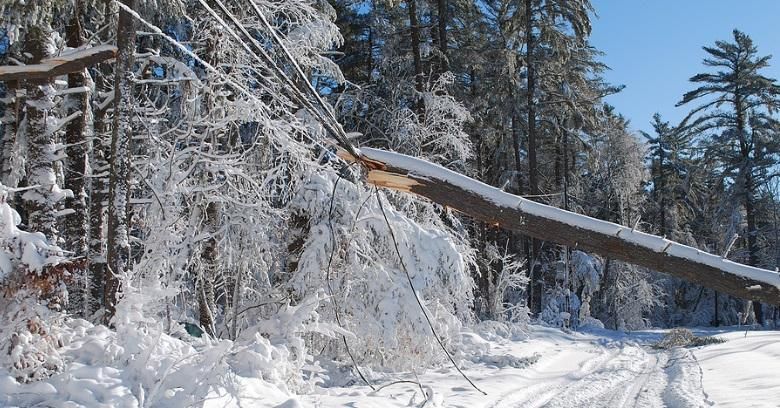
Other homeowners request an inspection because a tree has changed after a storm, begun dropping branches or developed growth that interferes with sunlight and surrounding landscaping.
You do not need to diagnose the tree before contacting an arborist. Instead, note what has changed, when you first noticed it and which areas of the property may be affected. Recent photographs can also help show whether the canopy or a specific limb has changed over time.
Scheduling an assessment before the condition becomes urgent gives the arborist more opportunity to evaluate the tree and recommend an appropriate maintenance plan.
The consultation should define the pruning objective
“Trim the tree” is too broad to serve as a complete project scope. Pruning should have a clear purpose based on the tree’s condition and the property’s needs.
The objective may be to remove dead or damaged branches, improve clearance, address a structural concern or manage growth around a building. A tree may have more than one objective, but the priorities should be identified before work begins.
Clearance pruning
Branches may need additional clearance from roofing, gutters, siding, driveways or pedestrian areas. The arborist should evaluate which branches create the conflict and whether they can be shortened or removed without leaving the canopy significantly unbalanced.
The desired clearance should be discussed before pruning. Homeowners should not assume that every branch on one side of the tree can be removed without affecting its structure or appearance.
Structural and maintenance pruning
Some trees develop crossing limbs, damaged branches or growth patterns that may benefit from selective pruning. The goal is not to make the tree look artificially uniform. It is to make carefully chosen cuts that support the agreed objective while preserving the tree’s natural form.
Keil Tree Experts’ professional tree pruning services provide more information about pruning for tree health, structure and property safety.
An arborist inspection determines whether pruning is appropriate
The consultation should include more than a view of the canopy from one angle. The arborist may examine the trunk, major branch unions, visible roots, surrounding soil and the distribution of foliage throughout the crown.
This evaluation helps distinguish a localized pruning need from a broader health or structural concern. A few dead branches do not automatically mean the tree must be removed. Likewise, a full canopy does not guarantee that every major branch is structurally sound.
The inspection may also reveal symptoms that require a different response, such as progressive decline, trunk damage, root-zone disturbance or evidence of pests and disease. In those situations, pruning may form only one part of the recommendation.
The arborist should explain whether the tree appears suitable for pruning, which areas require attention and whether continued monitoring may be advisable.
Confirm the scope before scheduling the work
After the inspection, the proposal should describe the trees included and the main pruning objective for each one. This is particularly important when several trees are located close together or when only specific portions of a canopy are included.
A useful scope should clarify whether the work addresses dead branches, clearance, structural concerns or another defined objective. It should also explain debris cleanup and any assumptions about property access.
Homeowners should ask how the completed tree is expected to look. Pruning should not be measured solely by how much material is removed. The amount and location of each cut should relate to the tree’s condition and the intended result.
If a homeowner has concerns about a particular limb, it should be identified during the consultation rather than after the crew has completed the rest of the work.
Pruning decisions depend on the individual tree
Trees on the same property may require different recommendations. Species, maturity, condition and previous pruning history can all affect the plan.
A young tree may benefit from early structural guidance, while an established tree may require a more conservative approach. A tree that has been repeatedly cut back or damaged may respond differently from one with a largely natural canopy.
The season may also influence the recommendation, although there is no single pruning schedule that applies to every tree and every objective. An arborist can explain whether the proposed work should proceed now or be scheduled for a more appropriate period.
This tree-specific approach is one reason an on-site evaluation is more useful than choosing a pruning method based on a general online checklist.
Not sure whether your tree needs pruning, monitoring or another type of care?
Request an assessment from Keil Tree Experts to review the tree’s condition, pruning objectives and access requirements.
Access and surrounding property affect the schedule
Before confirming the service date, the contractor must understand how the tree can be reached. Trees in open front yards may provide straightforward access, while backyard trees can be affected by fences, narrow gates, slopes and established landscaping.
Branches over roofs, driveways or neighboring property may also require additional planning. Nearby vehicles, play equipment, outdoor furniture and portable decorations can restrict the work zone if they are not moved beforehand.
The proposed access route should be discussed during the consultation. Homeowners should mention irrigation components, delicate planting areas, septic systems or other property features that may not be visible.
If neighboring access is necessary, permission should be resolved before the service date. Addressing these details early reduces the likelihood of a scheduling delay.
Prepare the property before pruning day
Once the appointment is confirmed, ask which areas need to remain clear. Vehicles should be moved away from the tree and from any driveway space needed for equipment.
Portable furniture, grills, planters and decorations should also be removed from the work zone. Keep children and pets indoors or in another secure area while pruning is underway.
The crew may create a controlled work area around the tree to manage branches and equipment. Homeowners should avoid entering that area, even when the work appears to be paused.
If the property has locked gates or restricted access, arrange for them to be opened before the scheduled arrival.
What happens during professional tree pruning?
The crew should begin with the approved scope and identify the trees included in the project. If site conditions have changed since the consultation, those changes may need to be reviewed before work starts.
Branches are then removed according to the planned objective. The sequence depends on the tree, the location of the work and the equipment required to reach the canopy.
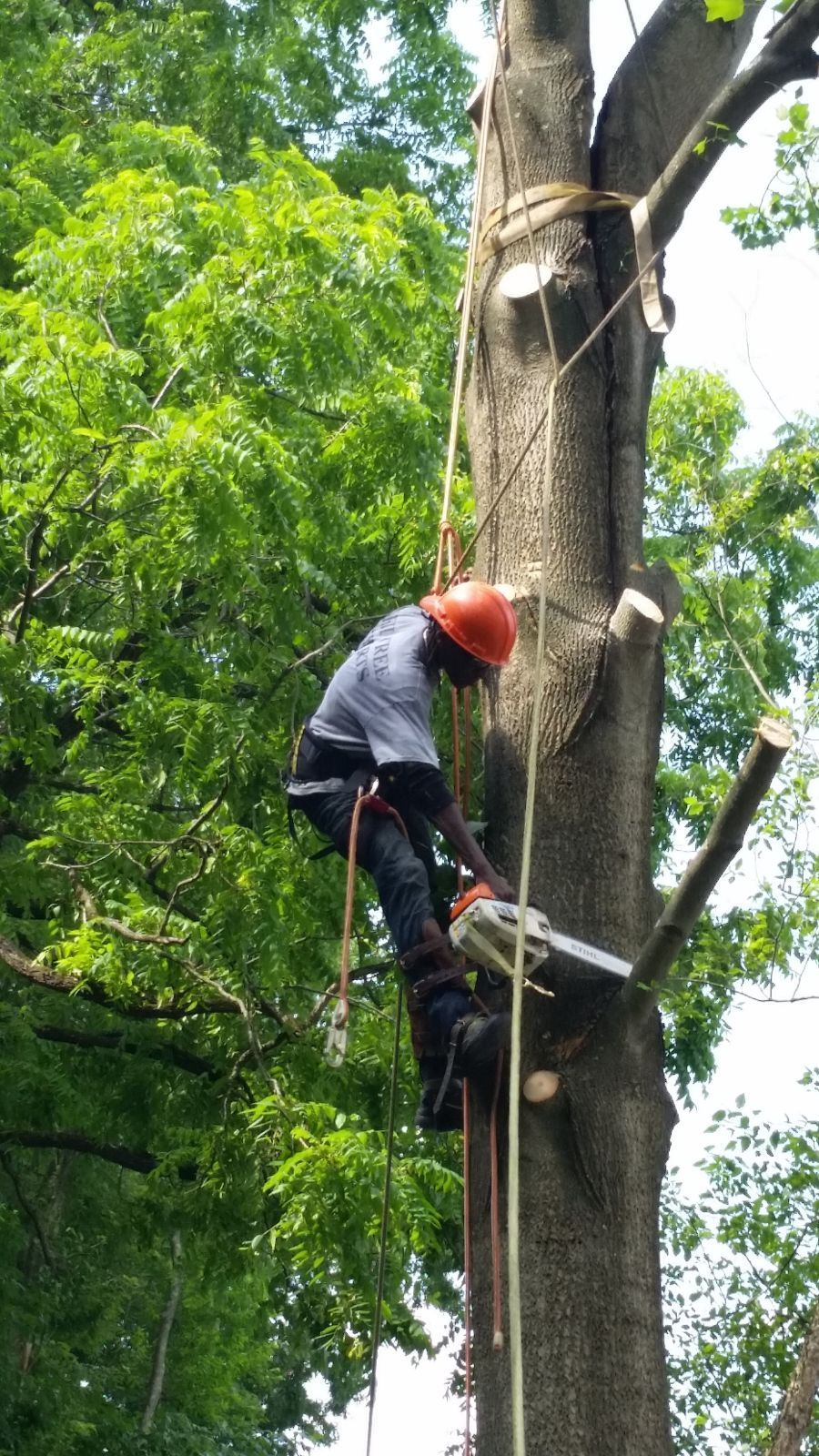
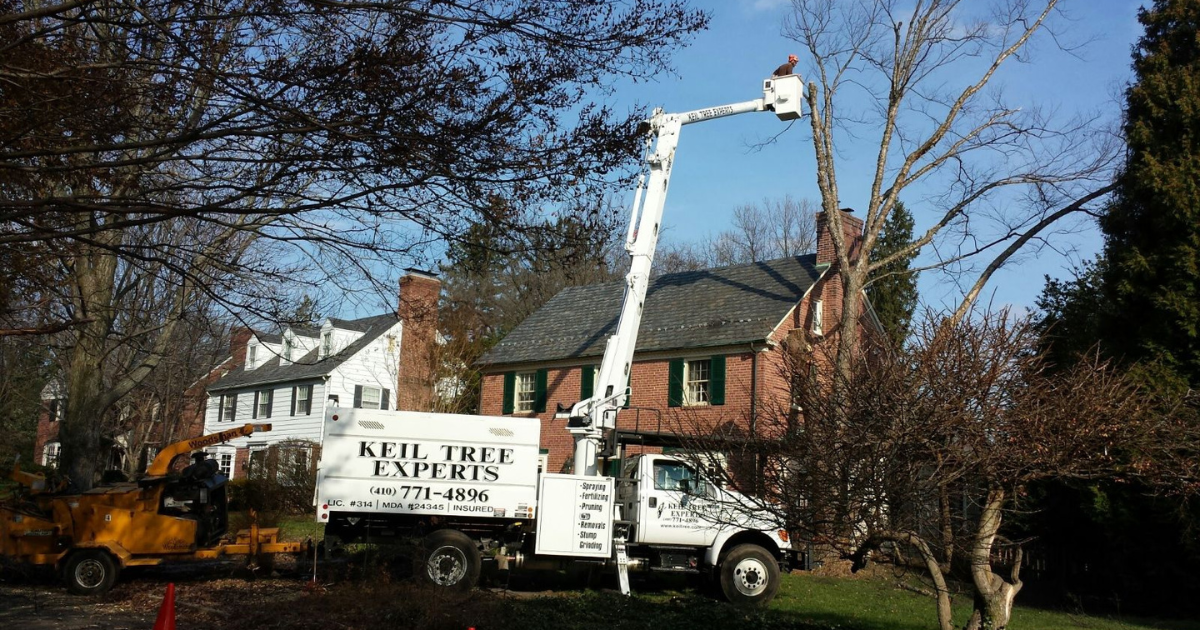
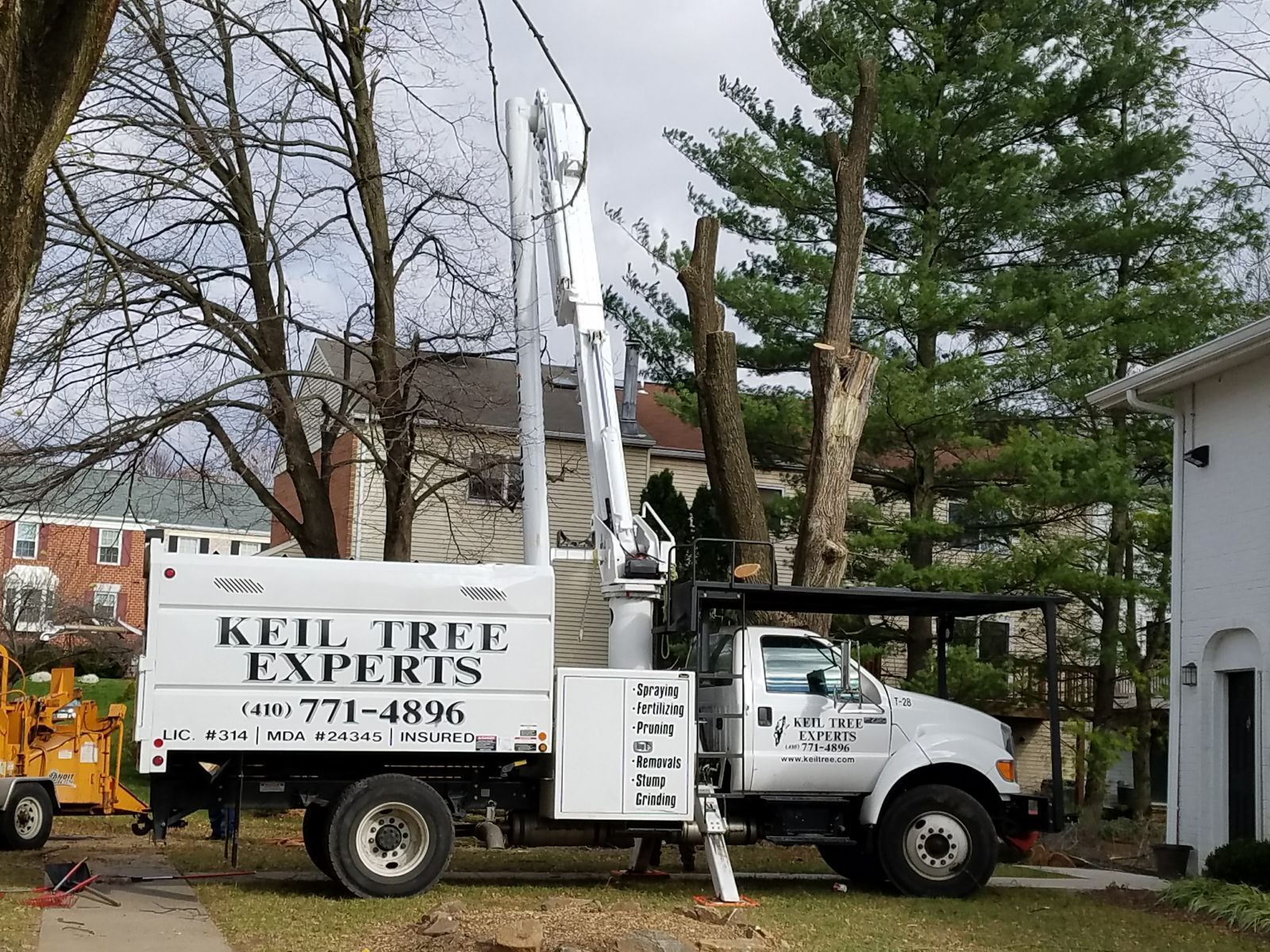
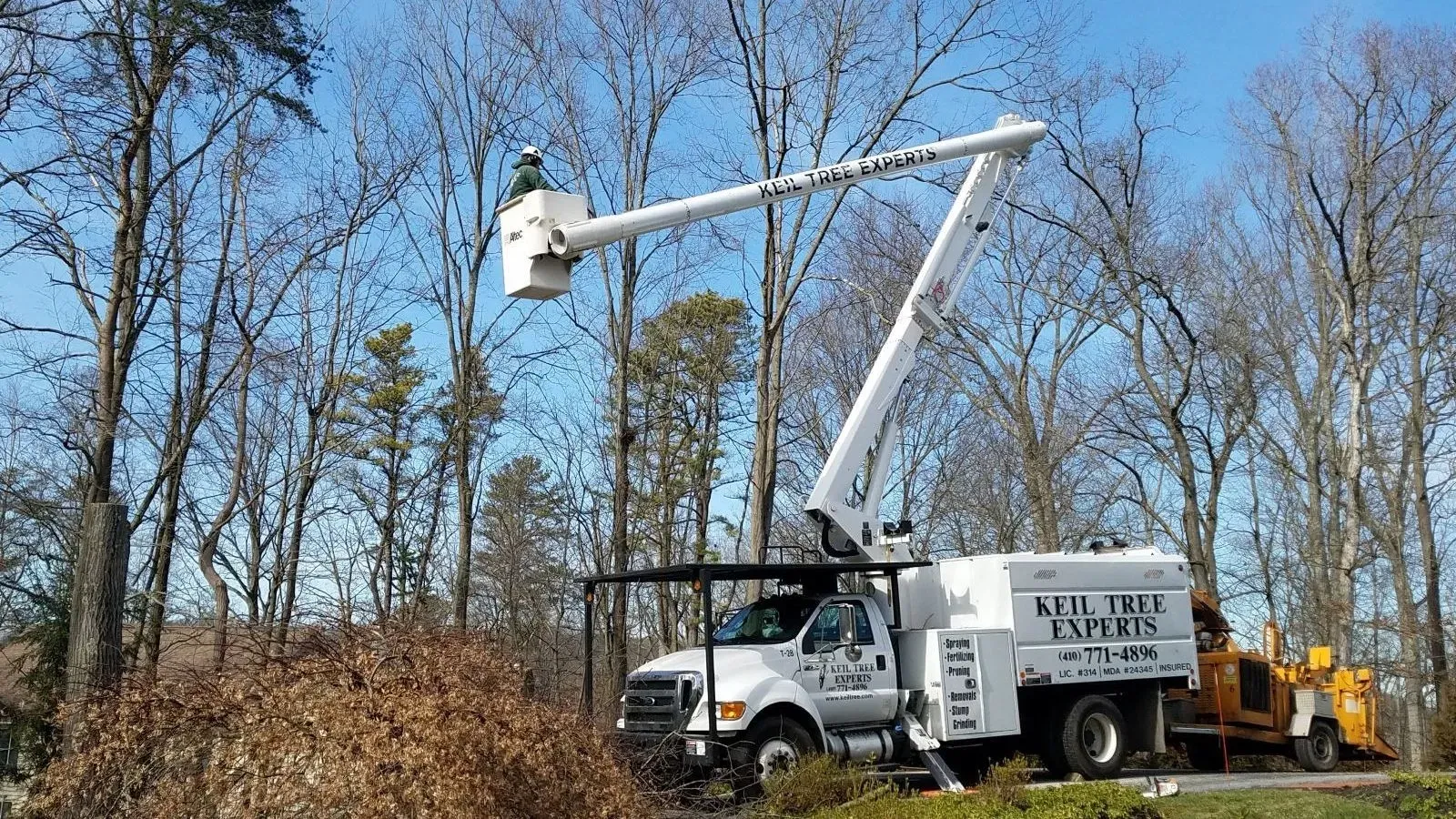
Large or elevated branches may need to be lowered in controlled sections to protect the roof, lawn or nearby landscape. Smaller material can be processed as the work progresses so that the work area remains manageable.
The homeowner does not need to direct individual cuts from the ground. Questions or requested changes should be discussed with the designated project contact rather than communicated independently to crew members during active work.
Pruning should not automatically mean aggressive size reduction
Homeowners sometimes expect pruning to make a mature tree substantially smaller. However, removing excessive canopy can create additional stress and may not resolve the underlying concern.
If the objective involves roof clearance, for example, selective work may be more appropriate than reducing the entire canopy. If the tree appears too large for its location, the arborist should evaluate its condition and available management options rather than automatically prescribing heavy cutting.
Professional pruning should balance the homeowner’s concern with the tree’s structure and long-term condition. The final result may appear subtle because well-planned pruning focuses on necessary cuts instead of removing branches simply to create a dramatic visual change.
Review the completed work
After pruning, review the tree from the areas that originally prompted the service. Confirm that the agreed clearance or branch concerns have been addressed and that the work area has been cleaned.
It may not be possible to see every completed cut clearly from the ground. Ask the project representative to explain which portions of the canopy were addressed and whether the crew observed any conditions that should be monitored.
The review is also an appropriate time to discuss future maintenance. The tree may not require pruning again on a fixed annual schedule. Its next evaluation should depend on growth, condition, location and exposure to storms or other changes.
Keep the estimate and any care recommendations with your property records. This history can help an arborist understand previous work during a future inspection.
When might the recommendation change from pruning to removal?
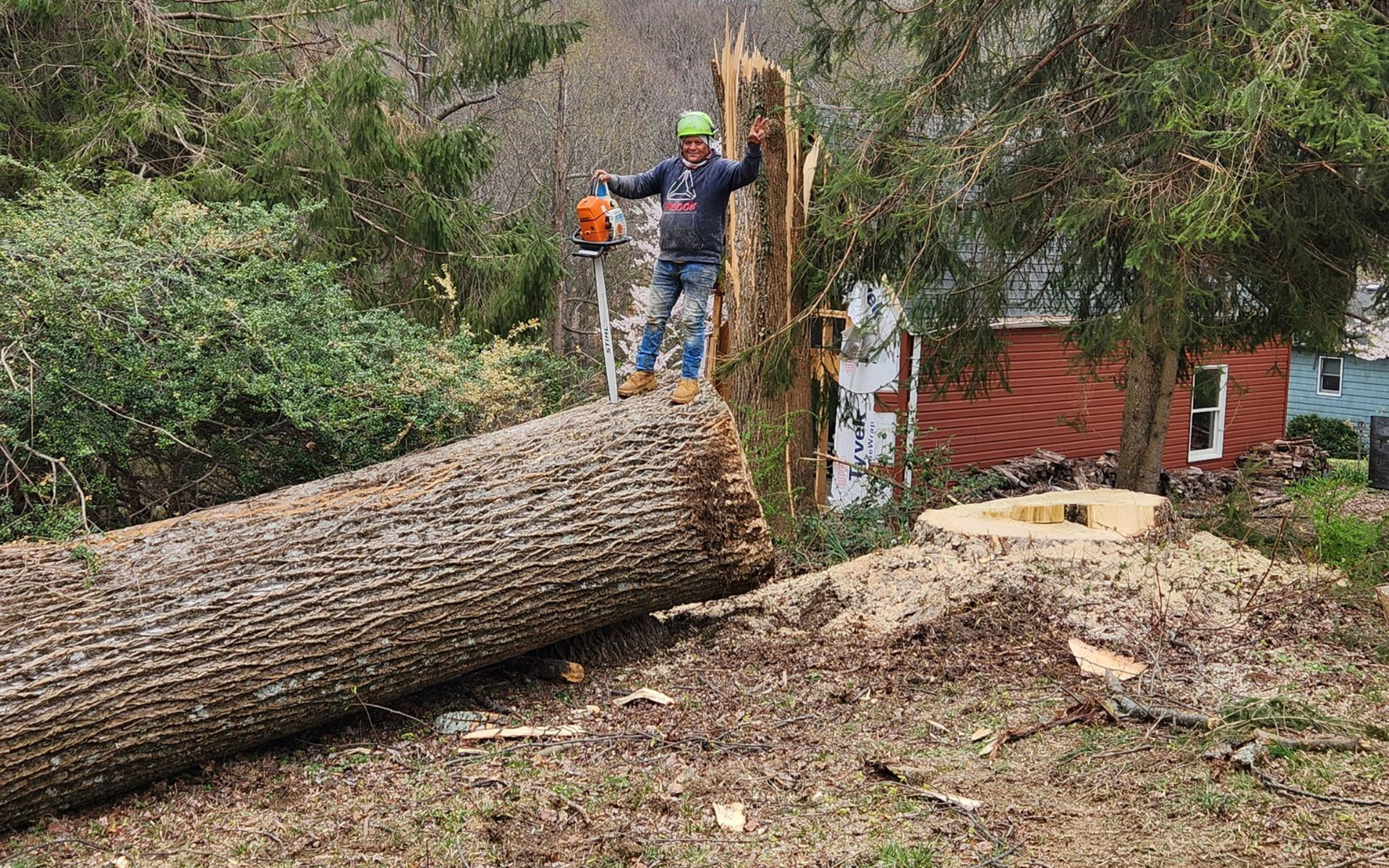
The original request may be for pruning, but the inspection can reveal a condition that cannot be corrected by removing branches alone. Extensive trunk damage, major structural failure or severe decline may lead the arborist to discuss removal.
That recommendation should be based on the whole tree rather than the appearance of a single branch. Homeowners should receive a clear explanation of why pruning would not adequately address the concern.
Conversely, removal should not be assumed simply because the tree is large or close to a structure. When the tree is suitable for retention, selective pruning may provide the needed clearance or maintenance while preserving it.
Plan tree pruning in Towson with Keil Tree Experts
A successful pruning project follows a clear progression: identify the concern, inspect the tree, define the objective, approve the scope, prepare the property and review the completed work.
Keil Tree Experts provides localized tree trimming and pruning services in Towson, supported by professional equipment and experienced tree-care specialists.
Related tree care resources