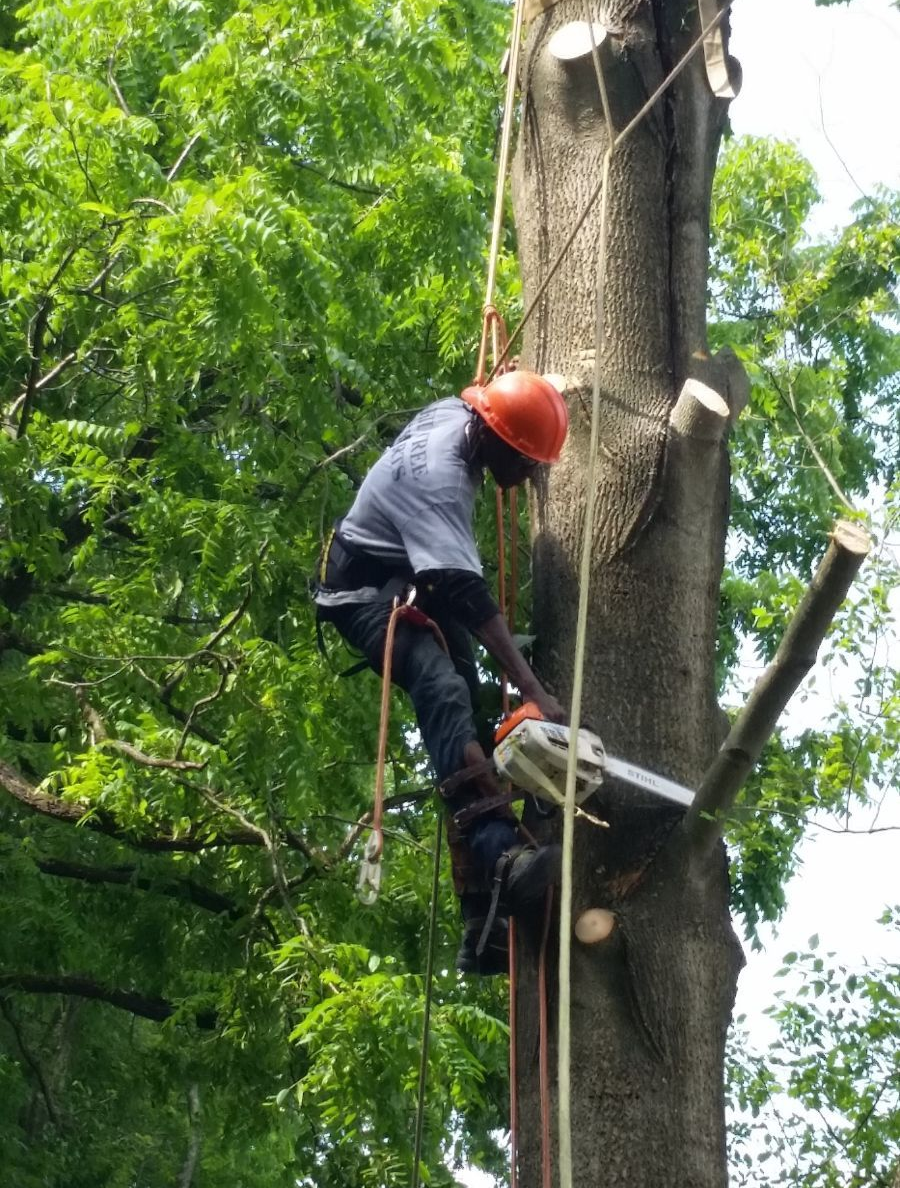
When Storm-Damaged Limbs Point to a Larger Tree Removal Decision
When Storm-Damaged Limbs May Mean a Larger Tree Removal Decision
Tree removal may become the safer option when storm-damaged limbs reveal deeper structural problems in the trunk, canopy, or root system. A single broken branch does not always mean the entire tree needs to come down, but repeated limb failure, splitting, decay, or a new lean can point to a larger safety concern.
For homeowners in Carroll County and Cockeysville, MD, storms can expose weaknesses that were not obvious during calm weather. Keil Tree Experts helps property owners understand the difference between an isolated pruning issue and a tree that may no longer be safe near a home, driveway, fence, or neighboring property.
Storm-Damaged Limbs Are Not Always the Whole Problem
After a storm, the first thing homeowners usually notice is the branch on the ground. It may be blocking a driveway, resting on a fence, or hanging over a walkway. While that damage matters, the broken limb is sometimes only the visible part of a larger issue.
An arborist looks at why the limb failed. Was it dead before the storm? Did it split from a weak branch union? Is the trunk cracked where the limb pulled away? Are there other branches with the same pattern of damage? These details help determine whether tree trimming is enough or whether the tree needs a broader safety evaluation.
Keil Tree Experts often approaches storm-damaged trees by looking beyond cleanup. If the tree still has strong structure and healthy attachment points, selective trimming may be the right next step. If the damage reveals decay, severe imbalance, or repeated failure, removal may need to be considered.
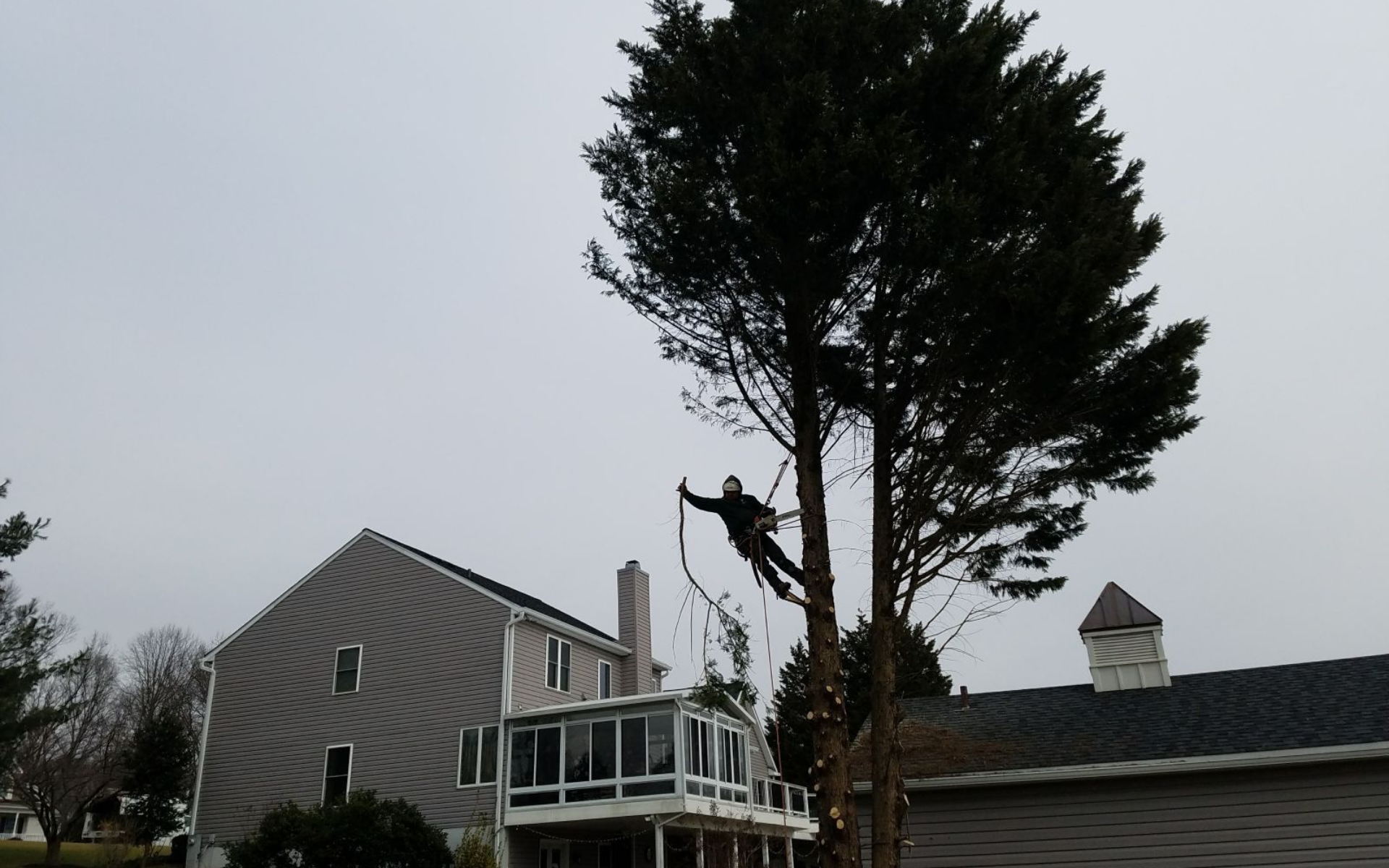
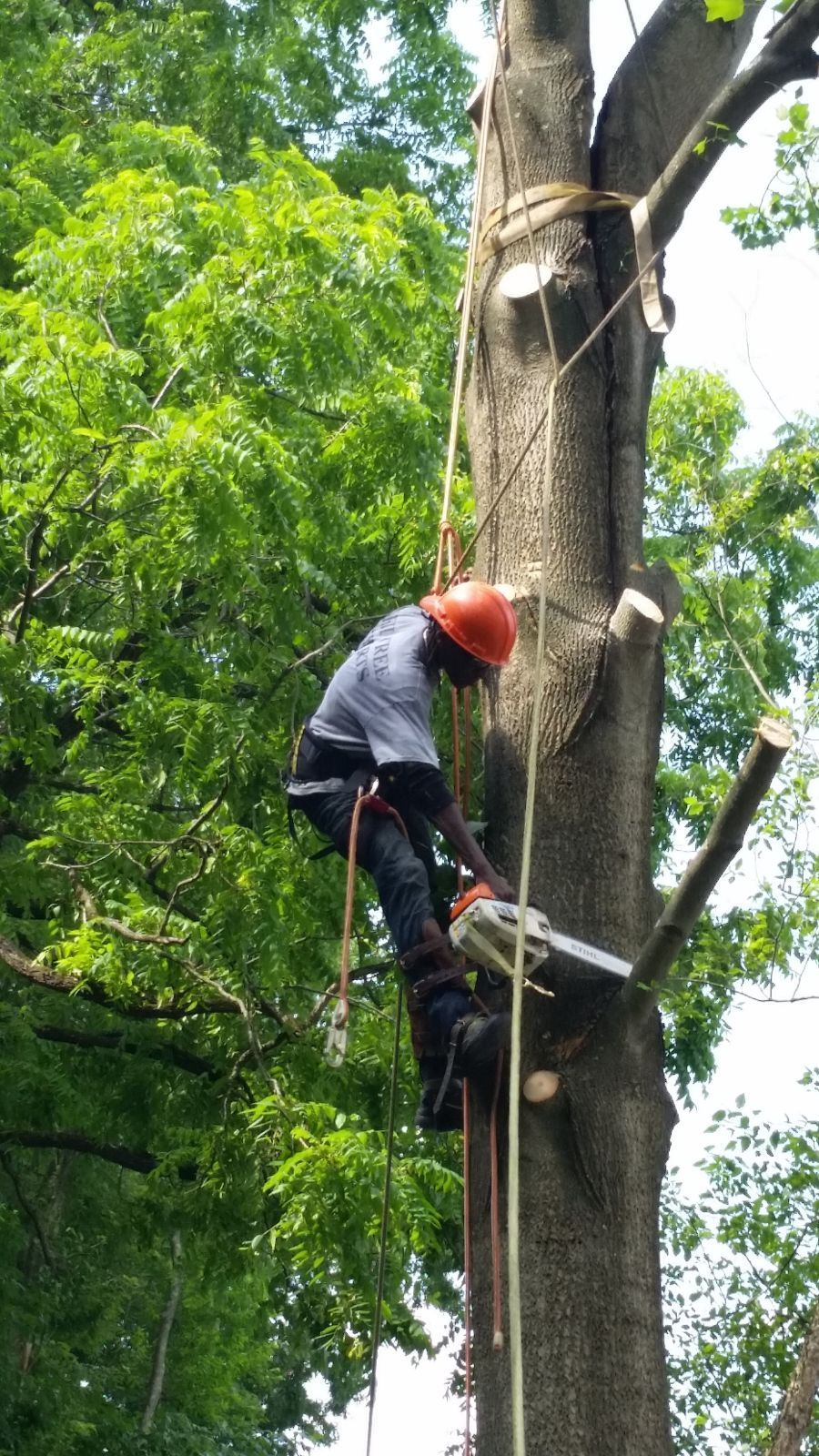
For storm damage that looks limited to cracked, hanging, or broken branches, start with a professional assessment through our Tree Removal Service. Keil Tree Experts lists tree removal and professional evaluations among its Maryland tree services, including helping homeowners decide whether removal, pruning, or another arborist service is the best long-term option.
When Tree Trimming May Be Enough
Tree trimming may be enough when the damage is limited, the trunk remains solid, and the rest of the canopy is stable. For example, one broken limb on an otherwise healthy tree may be handled with careful pruning and cleanup. The goal is to remove the damaged wood without creating unnecessary stress for the tree.
A proper trimming decision considers limb size, branch attachment, canopy balance, and the location of the damage. A small broken branch over open lawn is different from a large cracked limb above a roof or driveway. Keil Tree Experts evaluates the risk based on both the tree and the property around it.
Homeowners sometimes ask whether they should cut broken limbs themselves. Small, low branches may seem manageable, but storm-damaged wood can shift unexpectedly. If the limb is large, high, under tension, or close to a structure, professional tree services are the safer choice.
This is also a good time to connect the issue with seasonal preparation. If your tree has repeated storm-related limb damage, you may want to review how trimming before peak weather can reduce some avoidable hazards. Keil Tree Experts previously covered this in Tree Trimming Before Late Summer Storms: What Maryland Homeowners Should Know.
Warning Signs That Point Beyond Pruning
Some storm damage points to a bigger tree removal decision. This is especially true when the limb failure is connected to defects in the trunk, roots, or main canopy structure.
Keil Tree Experts may look more closely when there is a split extending into the trunk, several large limbs failing from the same side, or fungal growth around the base. Exposed roots, soil lifting, or a new lean after heavy rain can also indicate that the tree has lost stability.
Other warning signs include repeated deadwood, hollow sections, weak branch unions, and canopy imbalance. When these problems appear together, trimming alone may not solve the risk. Removing one broken limb may leave the larger hazard in place.
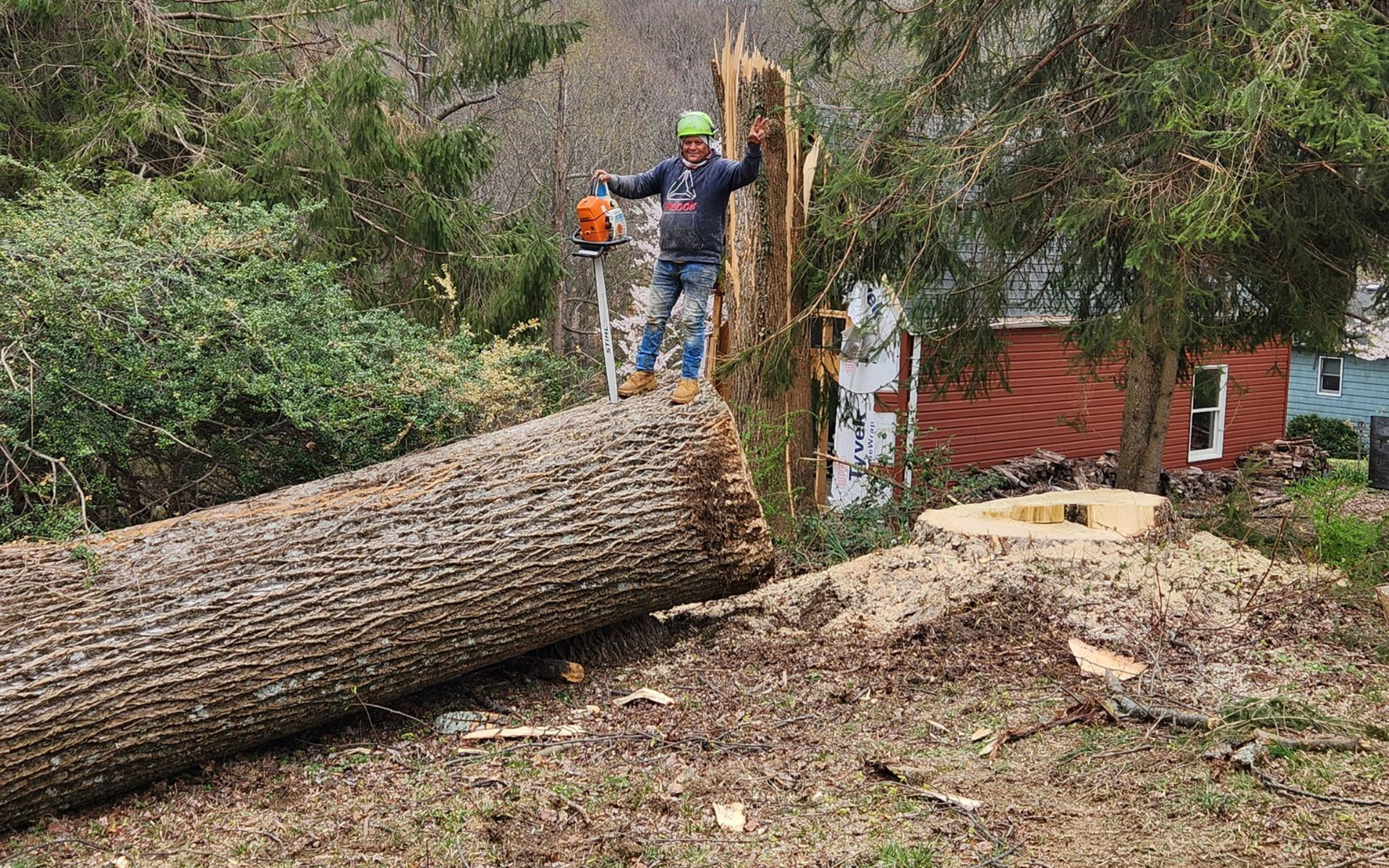
For storm-damaged trees showing cracks, decay, or unstable structure, Keil Tree Experts can help determine whether removal is the safer long-term option.
Why Location Changes the Decision
The same damaged tree can lead to different recommendations depending on where it stands. A tree with a cracked limb in the back of a wooded lot may be monitored or trimmed. A similar tree leaning over a Cockeysville driveway, Carroll County farmhouse, or roofline may require faster action.
Location affects risk because it determines what could be damaged if the tree fails. Homes, garages, sheds, fences, vehicles, and play areas all increase the urgency of the decision. A weakened tree near a property line may also create concerns for neighboring yards.
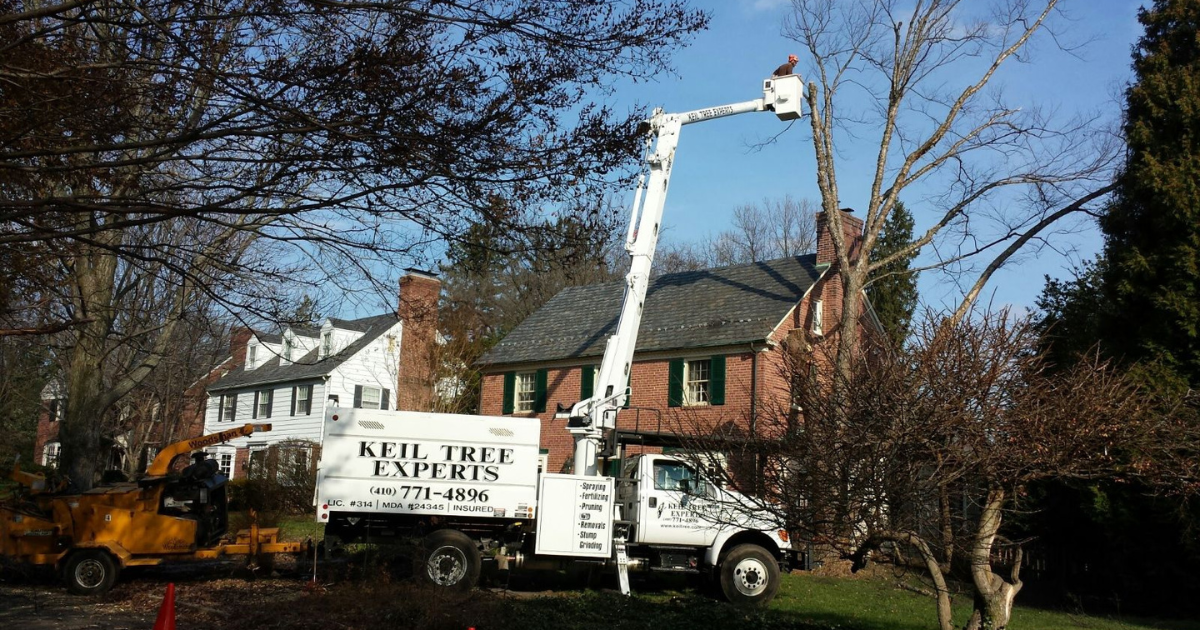
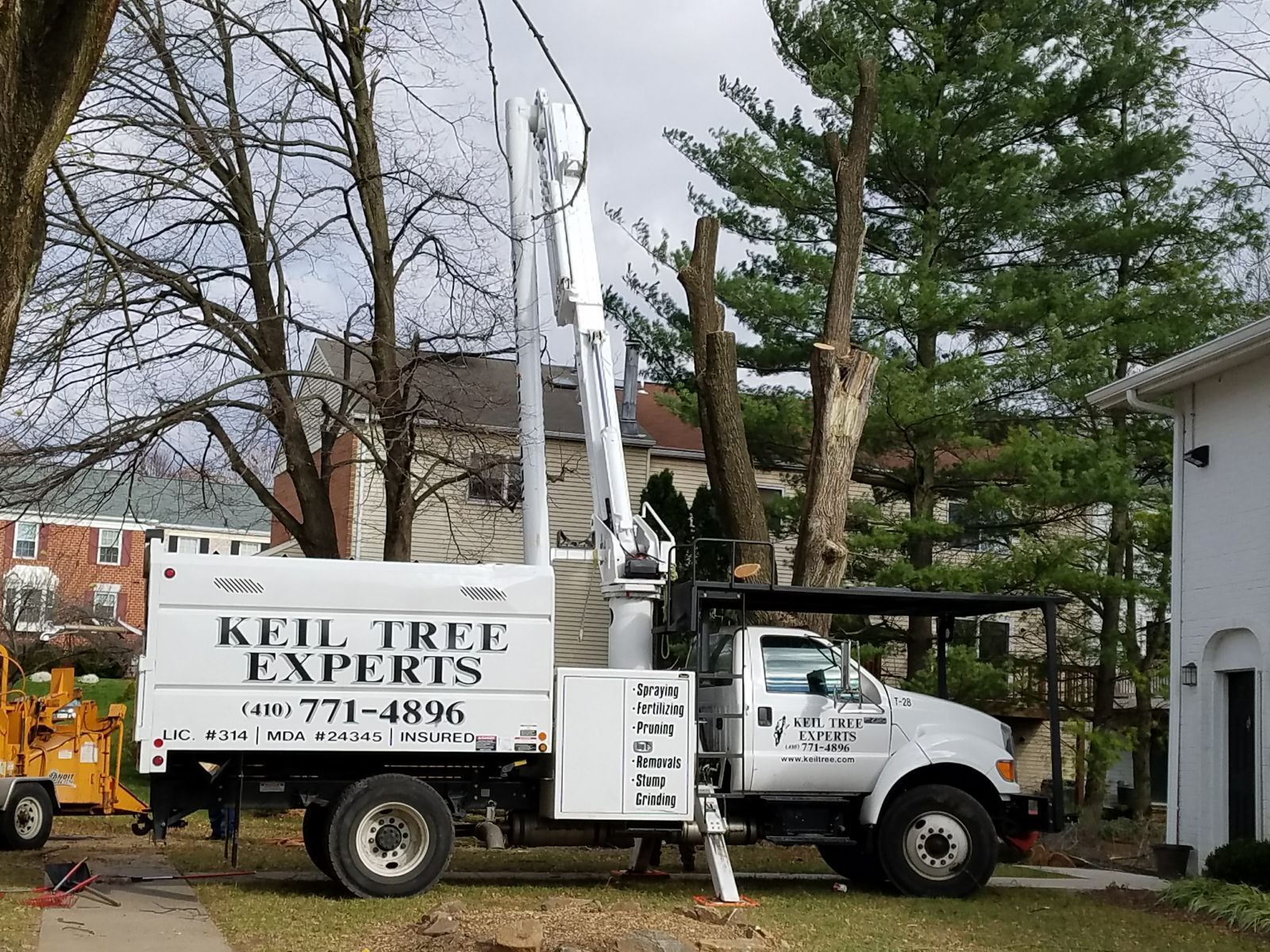
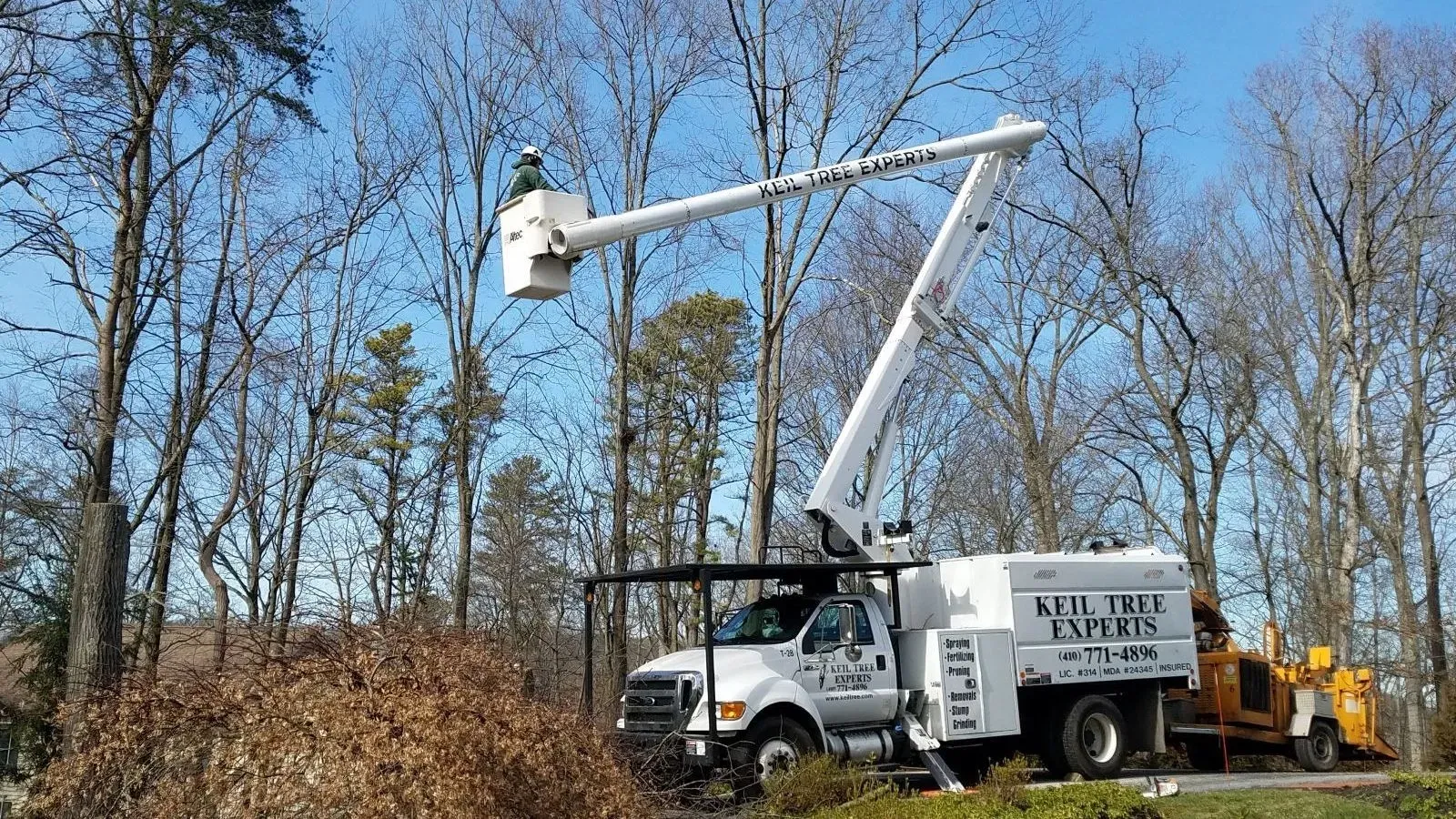
Keil Tree Experts considers access as well. Mature Maryland trees often grow near older homes, narrow driveways, wooded edges, and sloped yards. If a tree needs removal, the crew may need to plan sectional cutting, controlled lowering, or specialized equipment to protect the surrounding property.
When a damaged tree is near a high-use area, the decision is not only about the tree’s health. It is also about the people and structures around it.
What an Arborist Looks for After Storm Damage
An arborist evaluates storm damage by connecting visible symptoms to structural risk. The inspection may include the canopy, trunk, branch unions, root flare, and surrounding soil. This helps separate a branch cleanup job from a larger removal concern.
Keil Tree Experts may check whether the tree has strong remaining limbs, whether the trunk is supporting weight evenly, and whether the roots still appear stable after heavy rain. The team may also look for insect activity, fungal growth, old wounds, or decay that may have weakened the tree before the storm.
This matters because storm damage is not always caused by the storm alone. Wind and rain may simply reveal an existing problem. A limb with hidden decay may fail sooner than healthy wood. A tree with root stress may shift when the soil becomes saturated.
For homeowners who are unsure whether the damage is isolated or connected to broader decline, professional guidance from an arborist can help. Learn more about early tree health warning signs in How Certified Arborists Identify Tree Health Problems Early.
Avoid Rushing Into the Wrong Solution
After a storm, it is normal to want the mess cleared quickly. But a fast cleanup decision is not always the right tree care decision. Removing a healthy tree unnecessarily can reduce shade and property value. Leaving a structurally unsafe tree in place can create a larger hazard later.
Keil Tree Experts helps homeowners make a clear decision based on condition, location, and risk. Sometimes the answer is tree trimming. Sometimes the tree needs monitoring. Sometimes tree removal is the responsible choice because the damage has compromised the main structure.
A thoughtful evaluation can also help homeowners plan next steps. If a tree is removed, the property may need stump grinding or cleanup. If the tree stays, it may need pruning, health care, or follow-up inspection after the next storm.
For broader support after storm damage, cleanup, or safety concerns, contact Keil Tree Experts through our [Internal Link: Contact Page]. The company’s website confirms Keil Tree Experts provides professional tree care across Maryland and offers evaluation guidance for whether tree removal, pruning, or another service is appropriate.
Make a Safe Tree Removal Decision After Storm Damage
Storm-damaged limbs should not be ignored, but they should also be evaluated carefully. A broken branch may call for trimming, or it may reveal a larger structural concern that makes tree removal the safer choice.
For homeowners in Carroll County and Cockeysville, MD, Keil Tree Experts provides professional tree services backed by arborist judgment, safe planning, and practical property awareness. If a storm has left cracked limbs, hanging branches, canopy imbalance, or a tree that no longer looks stable, the next step is a professional evaluation.