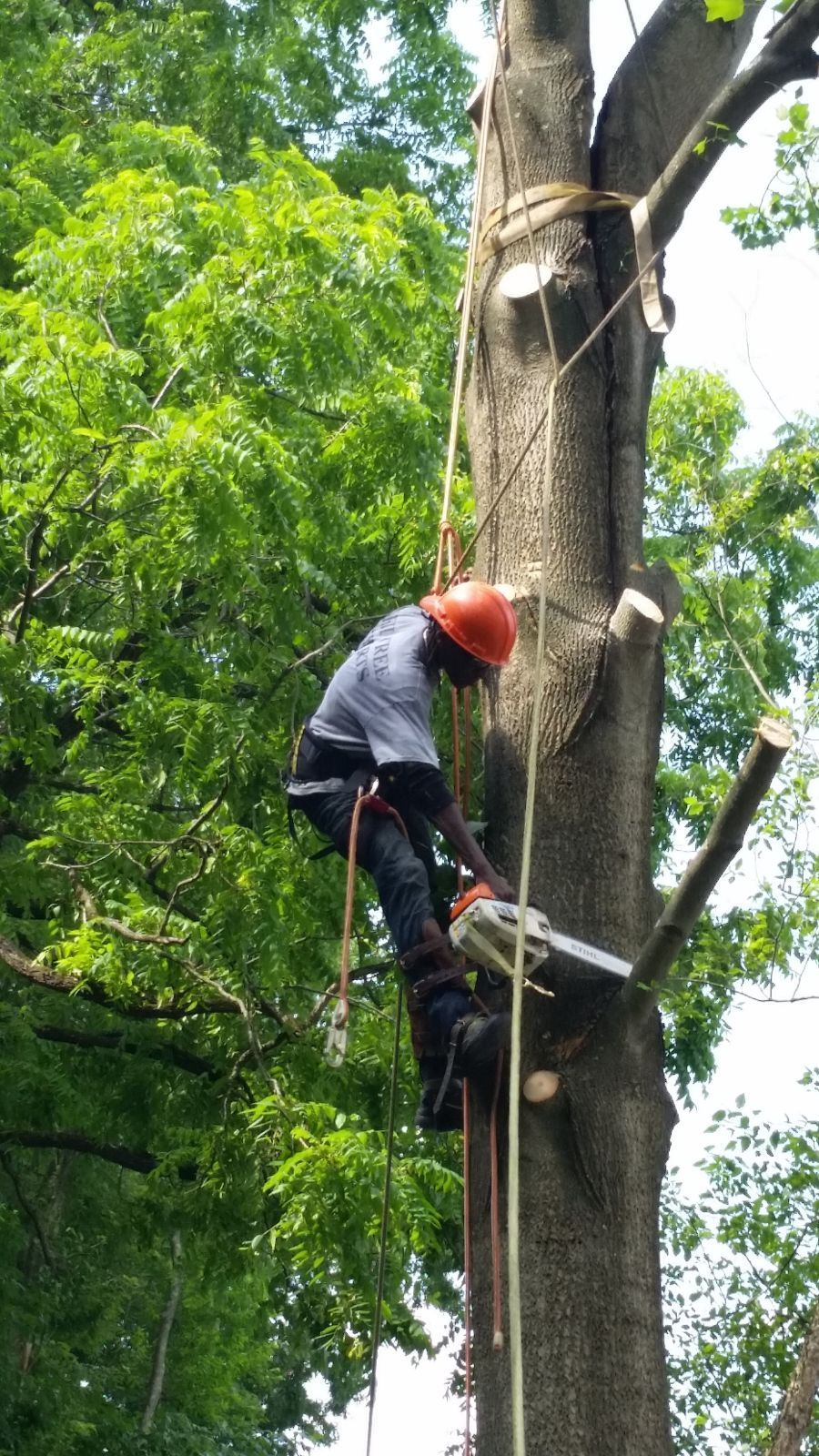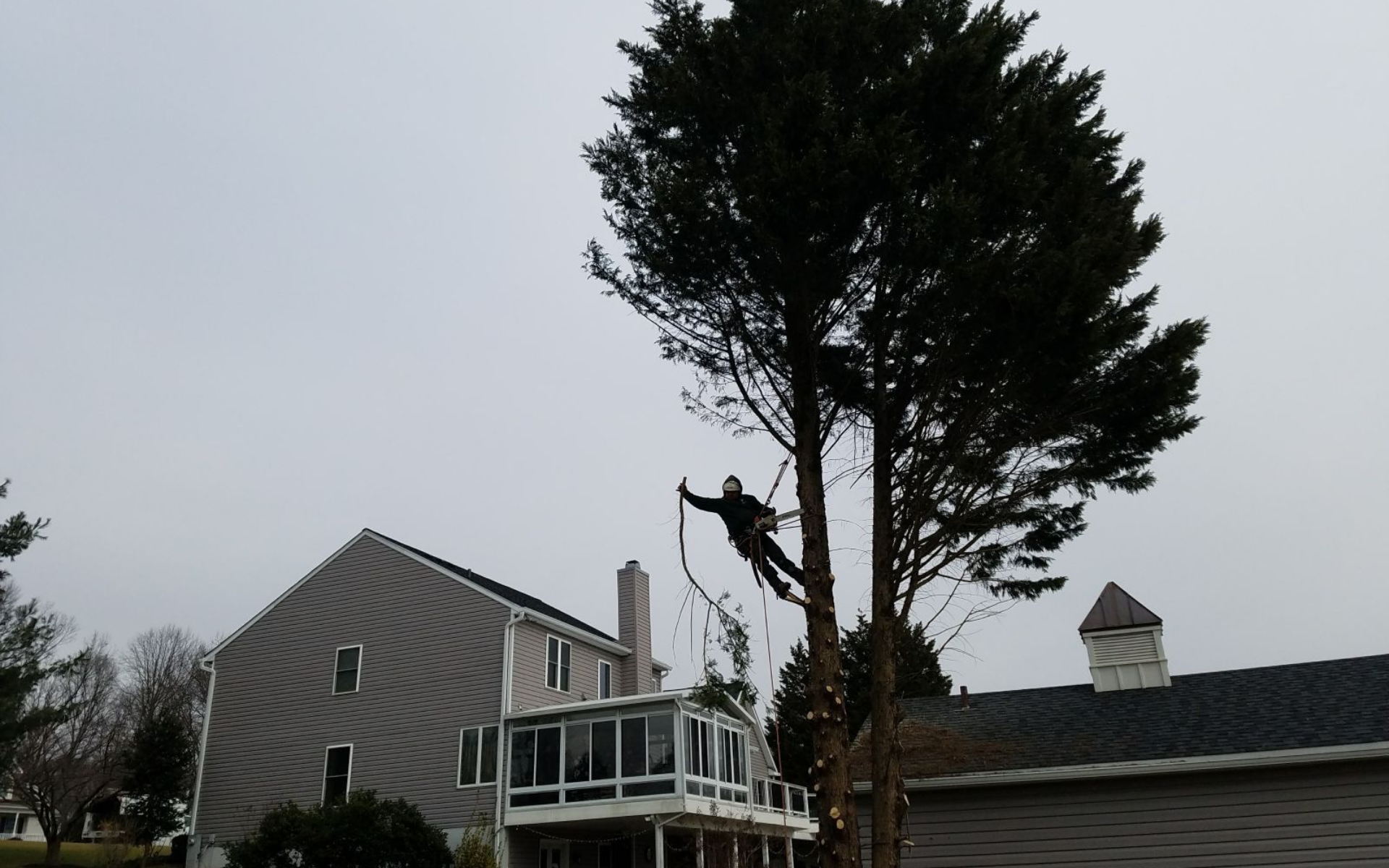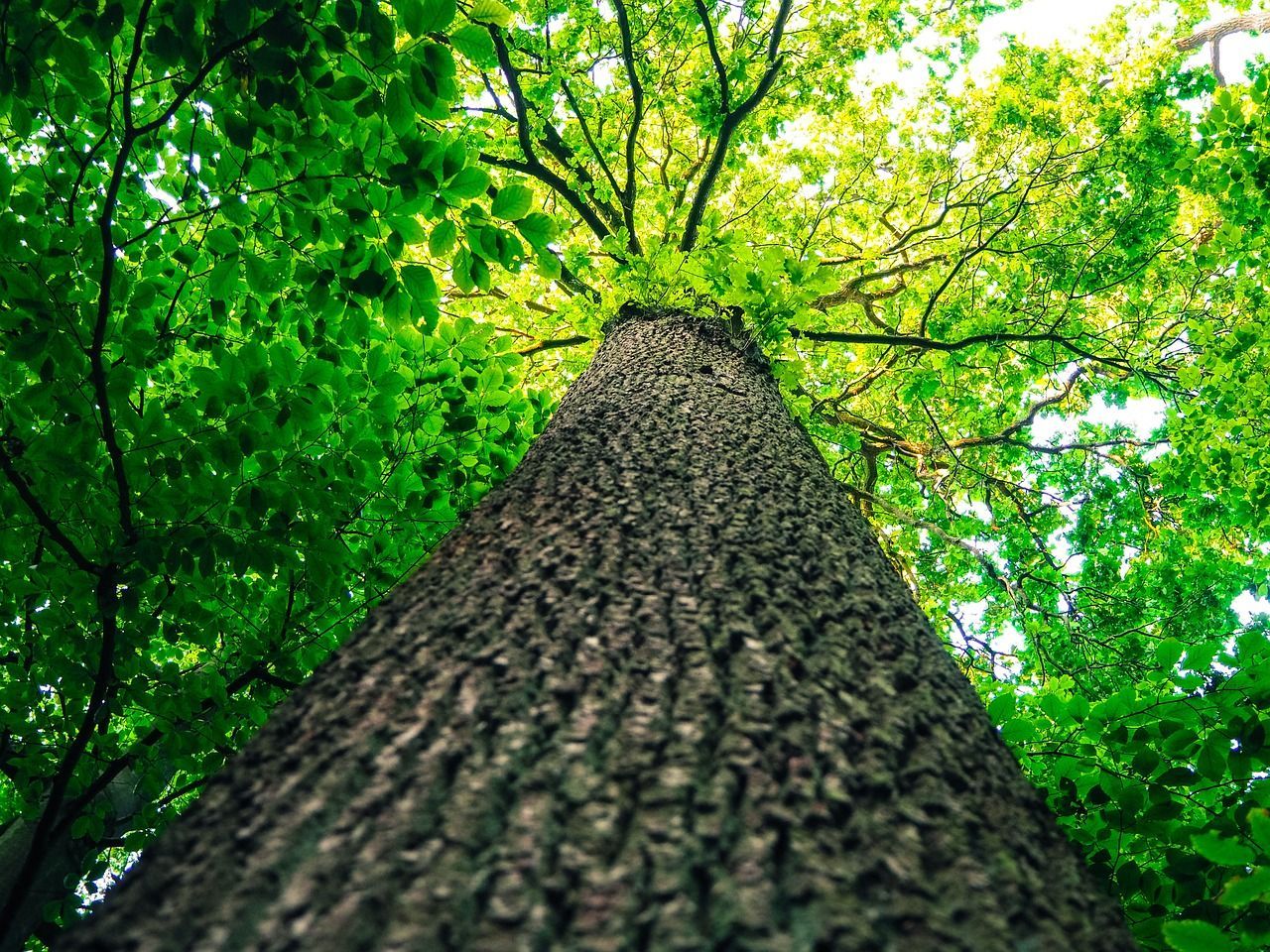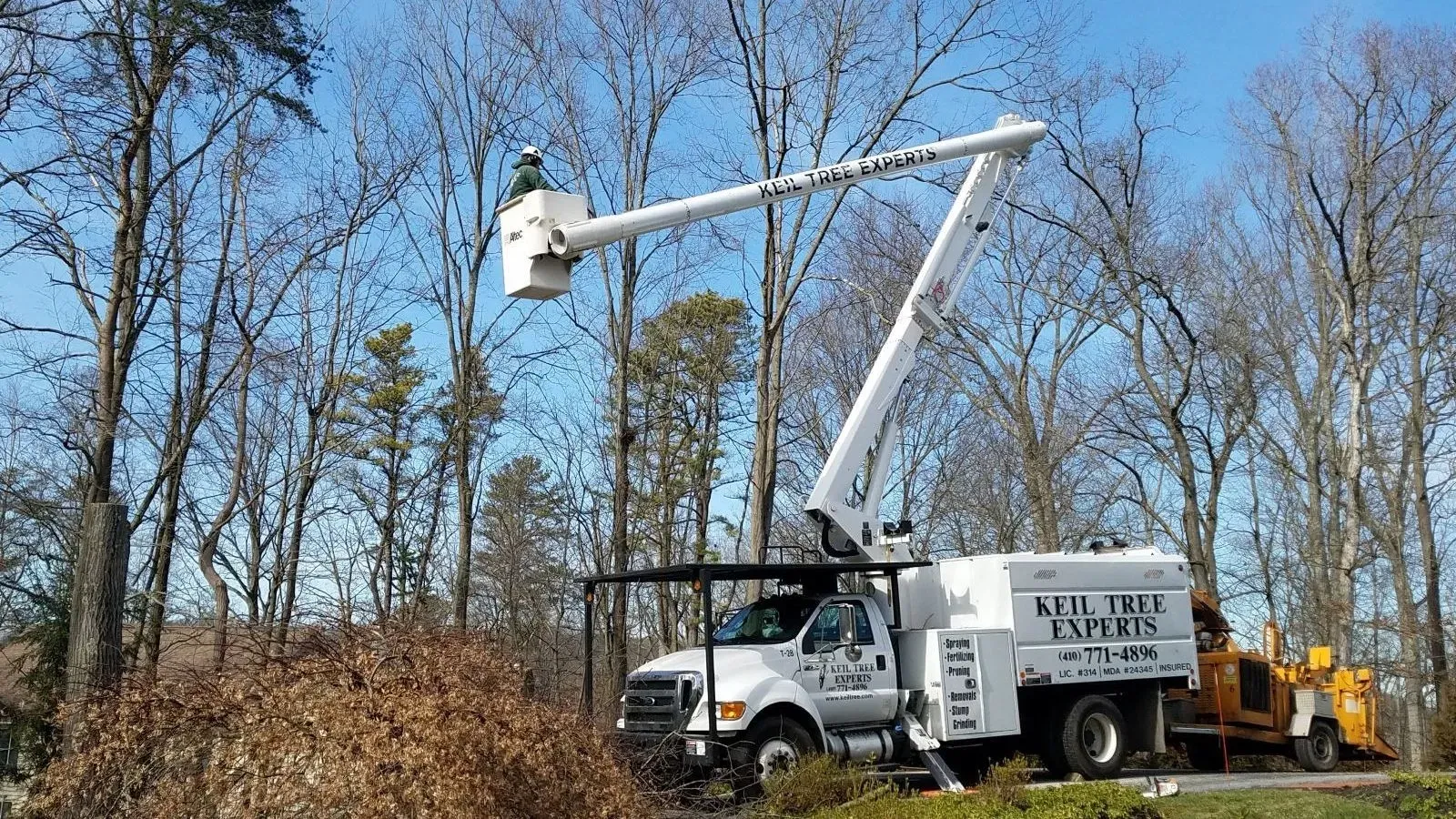
Tree Health Evaluations
Tree Health evaluations help homeowners understand whether a tree is growing normally, showing early stress, or developing problems that could affect safety and long-term landscape value. A certified arborist looks beyond the surface by checking leaves, bark, roots, canopy density, branch structure, soil conditions, and signs of pests or disease.
For Maryland properties, tree health can change quickly because of heavy rain, humid summers, compacted soil, mature root systems, and storm stress. Keil Tree Experts uses professional arborist judgment to identify what is happening and recommend the right next step before a tree declines further.
Why Tree Health Matters Before Problems Become Visible
A tree can look “mostly fine” from the ground while already showing signs of stress. Thin foliage, early leaf drop, small dead branches, or slow growth may point to root stress, pest activity, soil compaction, or disease pressure.
Tree health evaluations are useful because they help catch issues before they turn into larger property concerns. A declining tree may eventually drop limbs, lose canopy balance, attract insects, or become more vulnerable during storms.
Keil Tree Experts evaluates the full tree system, not only the visible branches. The condition of the roots, trunk, canopy, and surrounding soil all work together. When one part of that system is stressed, the rest of the tree often responds.
If your tree has thinning leaves, weak growth, or unusual bark changes, Keil Tree Experts can inspect the issue and recommend the right care through [Internal Link: Insect and Disease Management Service Page].
Common Signs Your Tree Needs a Health Evaluation
Many homeowners call after a branch breaks or a tree begins to lean, but health problems often begin earlier. Small details can reveal whether a tree is under pressure from insects, disease, poor soil, or structural imbalance.
- Leaves are smaller, discolored, curling, or dropping too early.
- Branch tips are dying back across the canopy.
- Bark is cracking, peeling, soft, or falling away.
- Mushrooms or fungal growth appear near the trunk or roots.
- The tree has fewer leaves on one side than the other.
A certified arborist can connect these symptoms to the likely cause. For example, yellowing leaves may not always mean disease. It could be related to soil compaction, drainage issues, root damage, or nutrient stress.
Keil Tree Experts looks at these details in context. A tree near a driveway, sidewalk, or construction area may show different stress patterns than a tree growing in a wooded backyard.
What Arborists Look For During a Tree Health Evaluation
A professional evaluation is more detailed than a quick visual check. Arborists look at how the tree is growing, how it reacts to stress, and whether the surrounding property conditions are helping or hurting its health.
| Evaluation Area | What It Can Reveal |
|---|---|
| Canopy density | Possible stress, dieback, or poor growing conditions |
| Bark and trunk | Decay, cracks, wounds, or disease indicators |
| Root flare | Soil buildup, root damage, or stability concerns |
| Leaf condition | Nutrient stress, pests, or environmental pressure |
| Branch structure | Weak unions, deadwood, or imbalance |
Keil Tree Experts may also consider Maryland-specific conditions such as clay-heavy soil, humid summers, and freeze-thaw cycles. These conditions can affect drainage, root oxygen, and long-term tree stability.
When branches are overcrowded, rubbing, or creating uneven canopy weight, selective care through
Tree Pruning Service may help improve structure and reduce stress.
How Soil and Roots Affect Tree Health
Roots are one of the most important parts of tree health, but they are also the easiest to overlook. A tree may struggle even if the canopy still looks green because the root zone is compacted, poorly drained, or lacking the nutrients needed for strong growth.
Maryland properties with heavy foot traffic, lawn equipment, driveway edges, or older compacted soil can create root stress over time. When roots cannot absorb enough oxygen, water, or nutrients, the canopy may begin to thin.
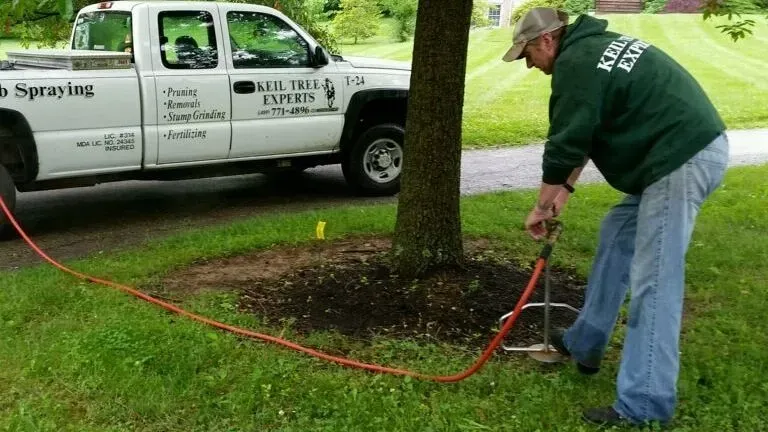
Keil Tree Experts may recommend root-focused care when a tree shows weak growth without obvious canopy damage. This approach helps support the tree below the surface instead of only reacting to visible symptoms.
For trees showing poor growth, sparse leaves, or soil stress, support long-term recovery with Direct Root Fertilizing Service.
When Tree Health Problems Become Safety Concerns
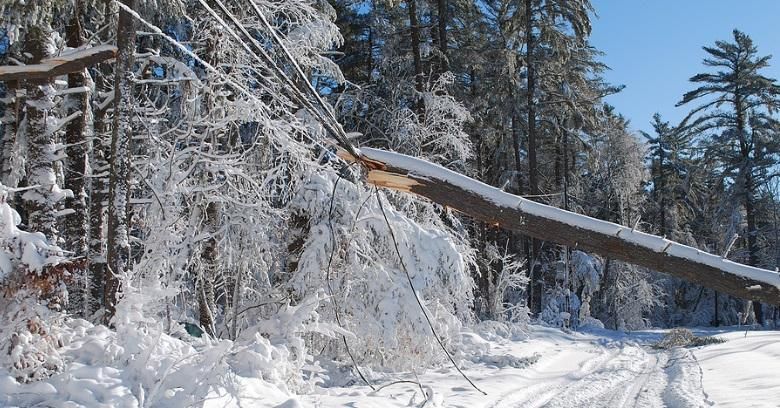
Not every unhealthy tree is immediately dangerous, but declining health can increase risk over time. Deadwood, internal decay, fungal growth, and weakened limbs may make a tree less stable during wind, rain, or snow.
This matters most when trees are close to homes, driveways, sidewalks, fences, or neighboring properties. A weakened limb over a parking area is more urgent than deadwood in a far corner of a wooded lot.
A tree health evaluation helps separate cosmetic issues from structural concerns. Keil Tree Experts can explain whether the tree needs treatment, pruning, monitoring, or removal. That clarity helps homeowners avoid unnecessary work while still protecting the property.
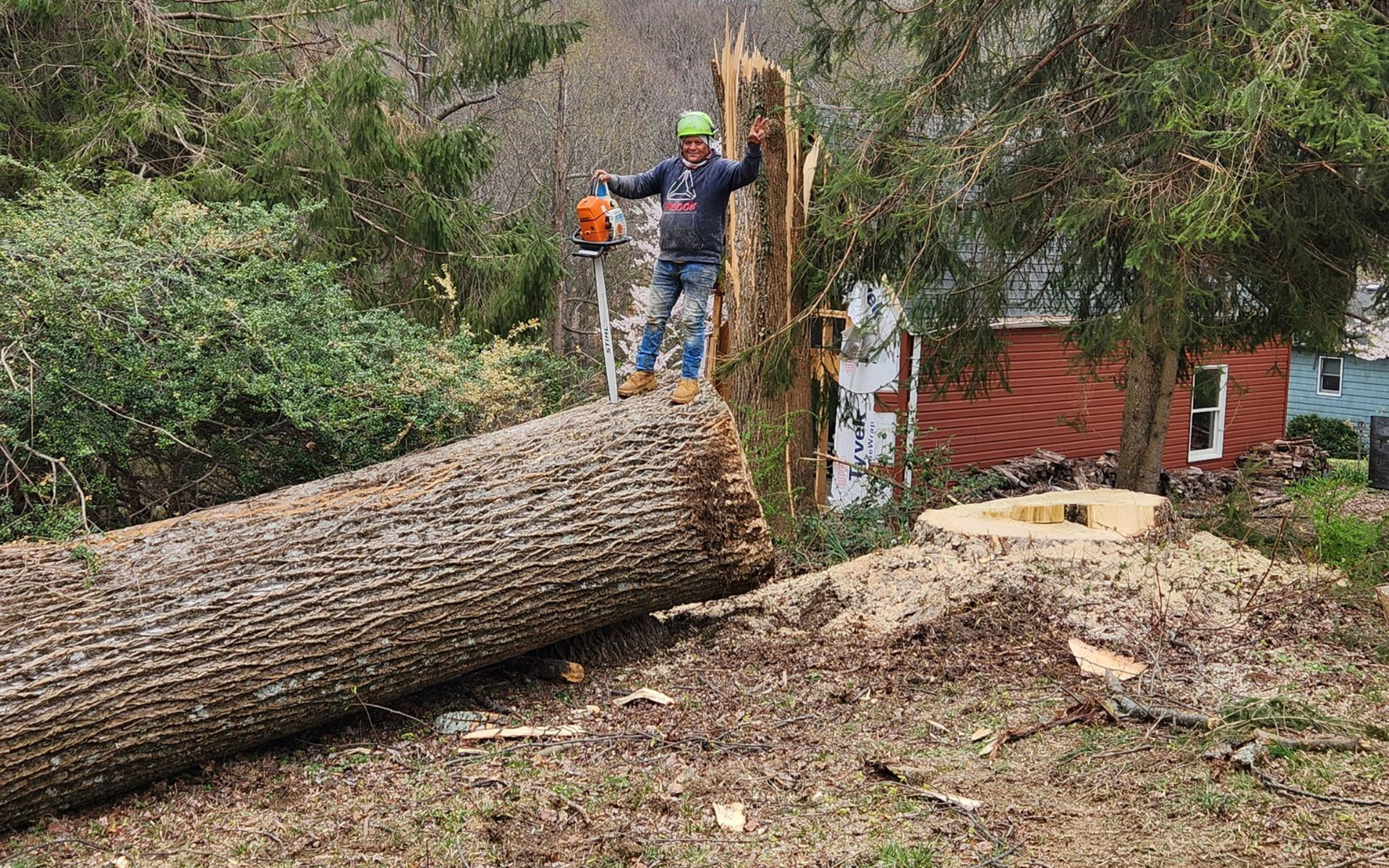
If a tree is showing health problems along with leaning, cracking, or major limb failure, schedule a safety-focused inspection through Tree Removal Service.
Protecting Your Landscape With Proactive Tree Care
Healthy trees add shade, curb appeal, privacy, and long-term value to a property. They also support lawn comfort, reduce heat around outdoor spaces, and help mature landscapes feel established.
The best time to evaluate tree health is before the tree reaches a crisis point. Keil Tree Experts helps Maryland homeowners identify early warning signs, understand what those signs mean, and choose a practical care plan based on the tree’s condition.
A good evaluation can prevent over-pruning, missed disease issues, unnecessary removals, and delayed treatment. It gives homeowners a clearer picture of what is happening in the landscape and what should happen next.
Contact Keil Tree Experts to schedule a tree health evaluation and make informed decisions before small symptoms become larger property concerns.
FAQs About Tree Health
How often should trees be evaluated?
Most mature trees should be checked at least once a year, especially after storms or noticeable changes in leaf growth, canopy shape, or branch condition. Trees near homes, driveways, and walkways may need closer attention.
Can an unhealthy tree recover?
Some trees can recover when the problem is caught early and treated correctly. Recovery depends on the cause, the level of damage, the tree species, and the condition of the roots and soil.
What is the difference between tree care and tree removal?
Tree care focuses on improving or maintaining the tree when it can remain safely in place. Tree removal is recommended when the tree is too damaged, unstable, diseased, or hazardous to protect safely.