Understanding the Cost of Tree Removal: A Local Homeowner's Checklist
Understanding the Cost of Tree Removal in Maryland
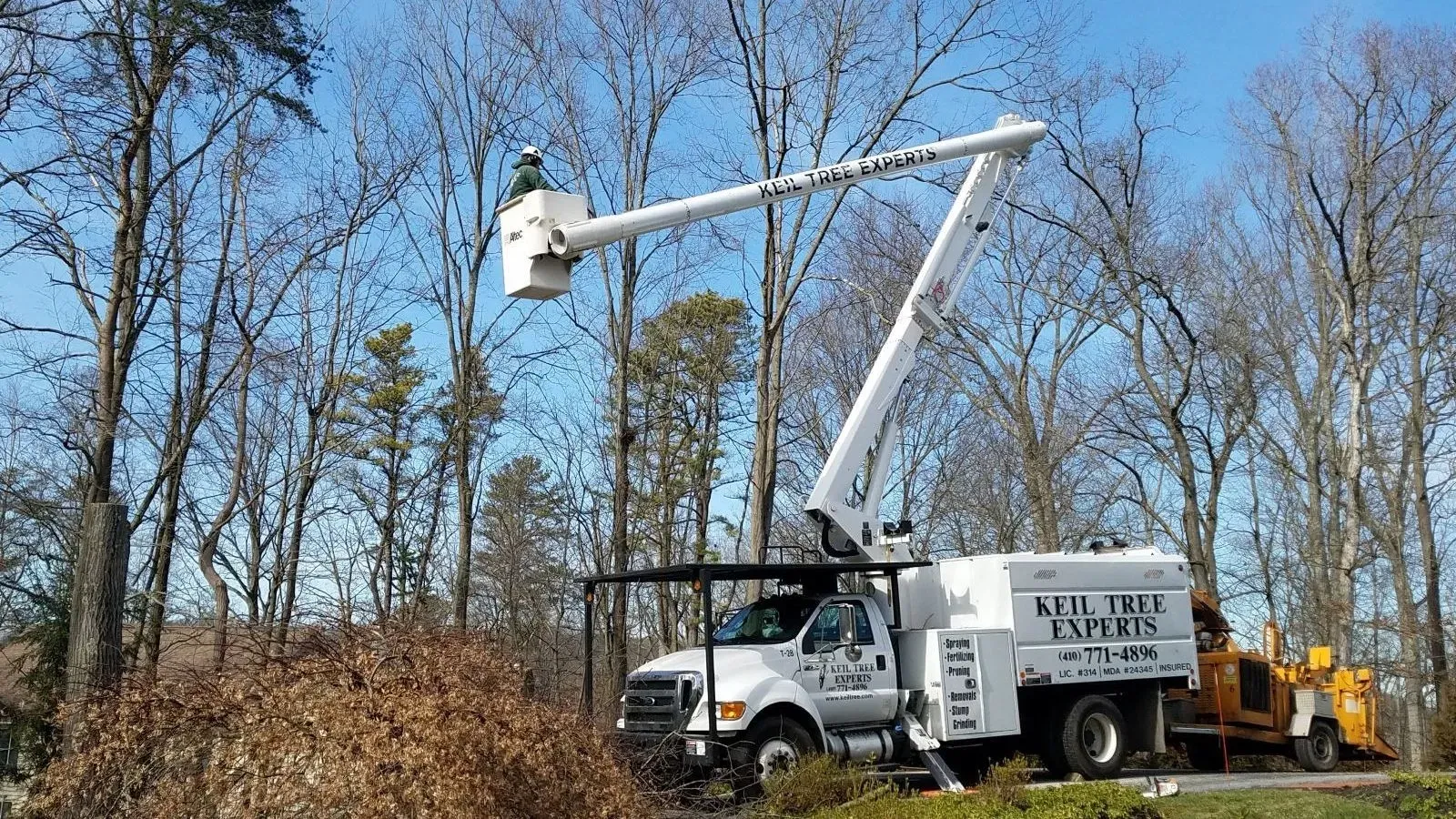
Tree removal is often necessary for safety, property protection, or long-term landscape health, but many homeowners are unsure what actually influences the cost of the work. Unlike routine maintenance, tree removal projects vary widely depending on conditions that are unique to each property. Keil Tree Experts works with homeowners to provide clear evaluations so expectations are set before any work begins. Understanding the factors that affect tree removal cost helps homeowners plan confidently and avoid surprises.
This checklist walks through the most important considerations homeowners should understand when preparing for tree removal.
Tree Size and Overall Structure
One of the first factors that affects a tree removal project is the size and structure of the tree. Taller trees or those with wide canopies require more time, equipment, and planning to remove safely. Trees with multiple trunks or uneven growth patterns may also increase complexity.
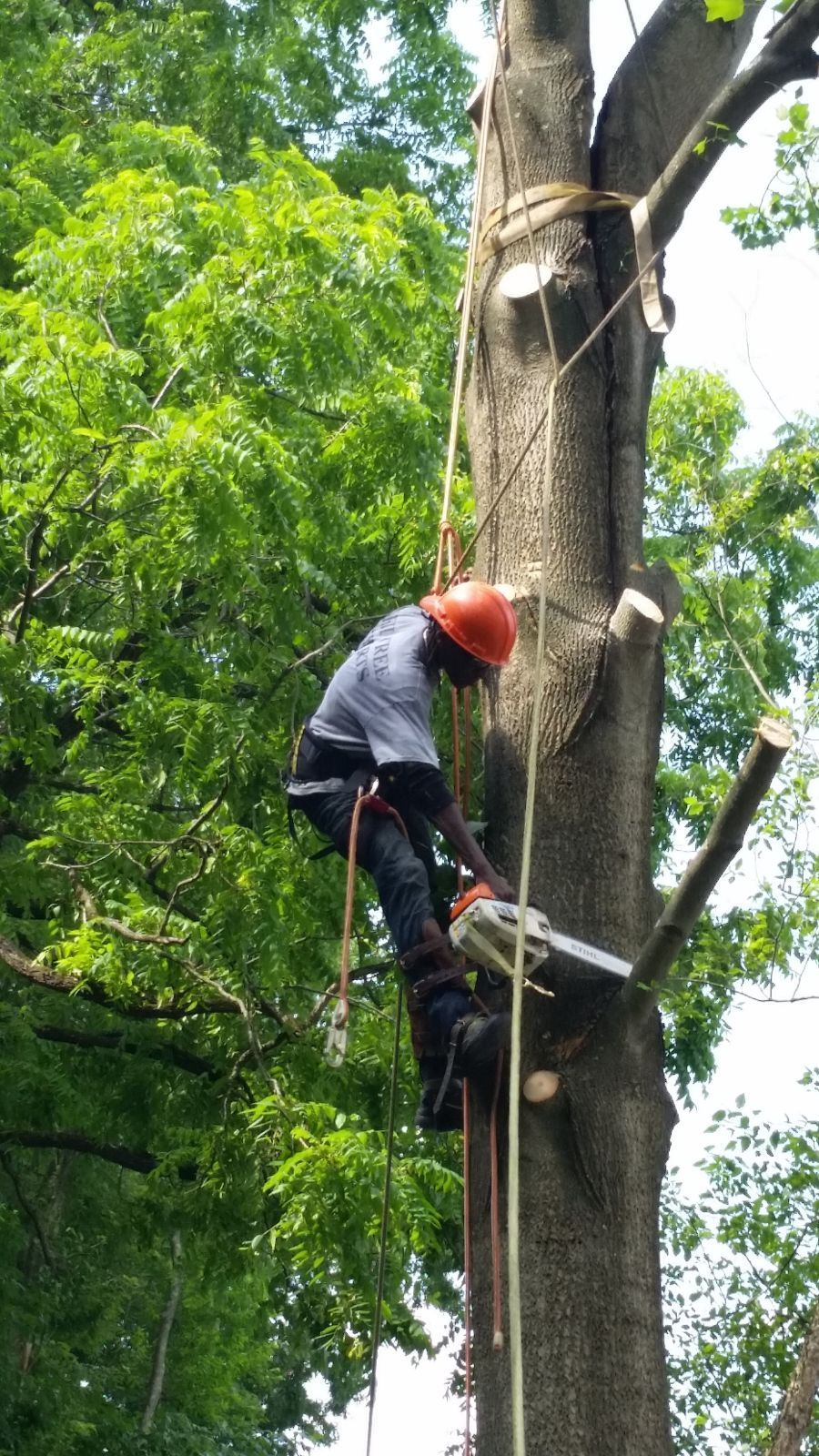
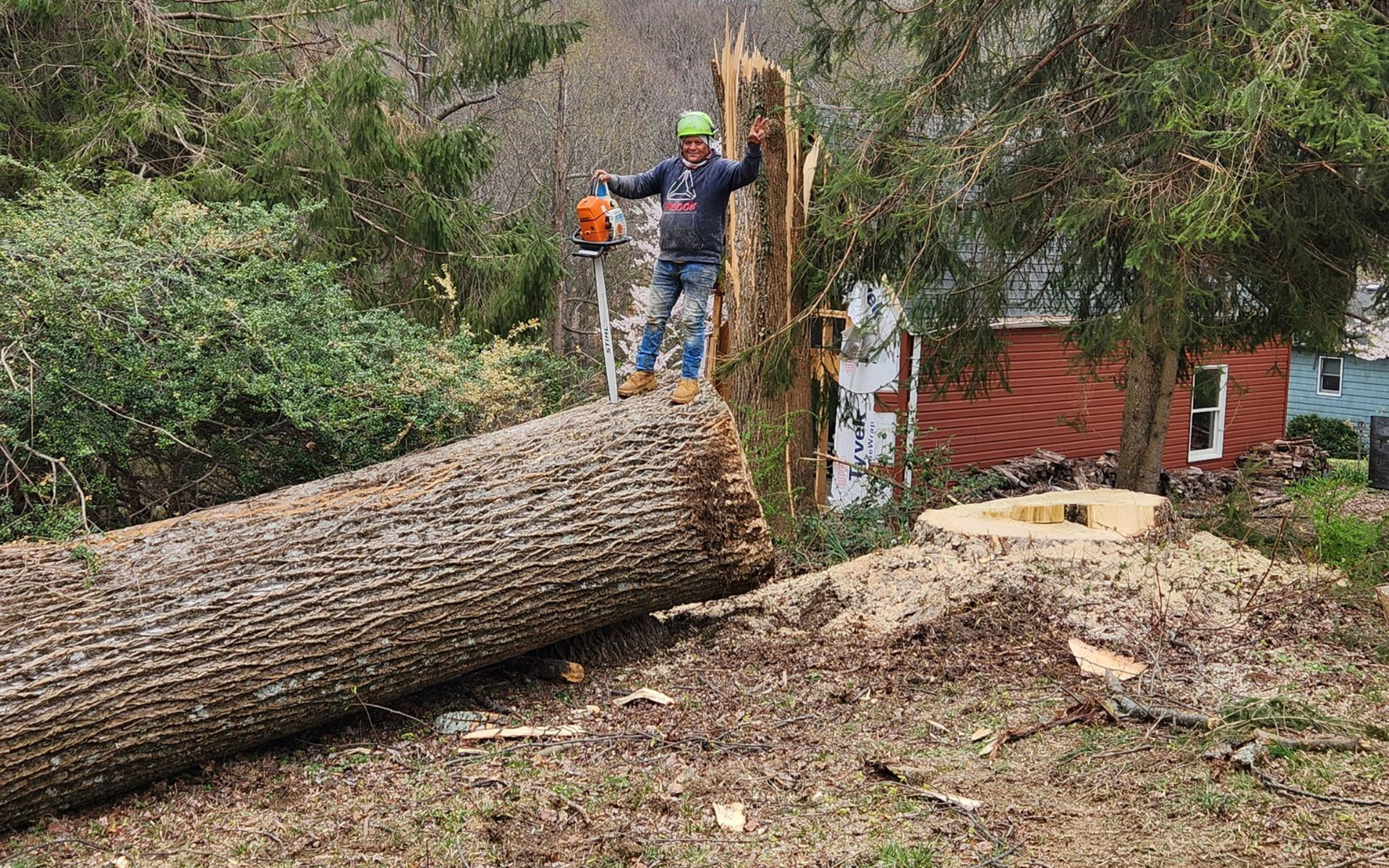
Larger trees are typically removed in sections to prevent damage to surrounding property. This controlled approach plays a major role in how the project is planned and executed.

Tree Health and Stability
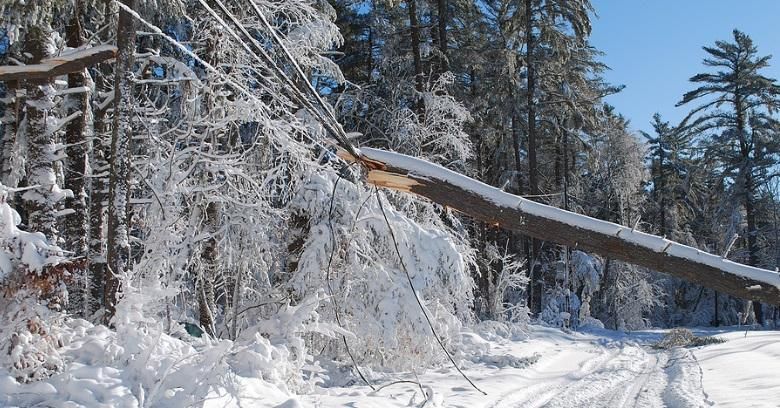
The condition of the tree matters just as much as its size. Dead, dying, or structurally compromised trees often present additional risks during removal. Brittle branches, internal decay, or storm damage can make the process more hazardous.
Projects involving weakened trees require careful safety measures and may involve specialized equipment. Evaluating tree health is a key responsibility of a local arborist during the planning phase.
Location on the Property
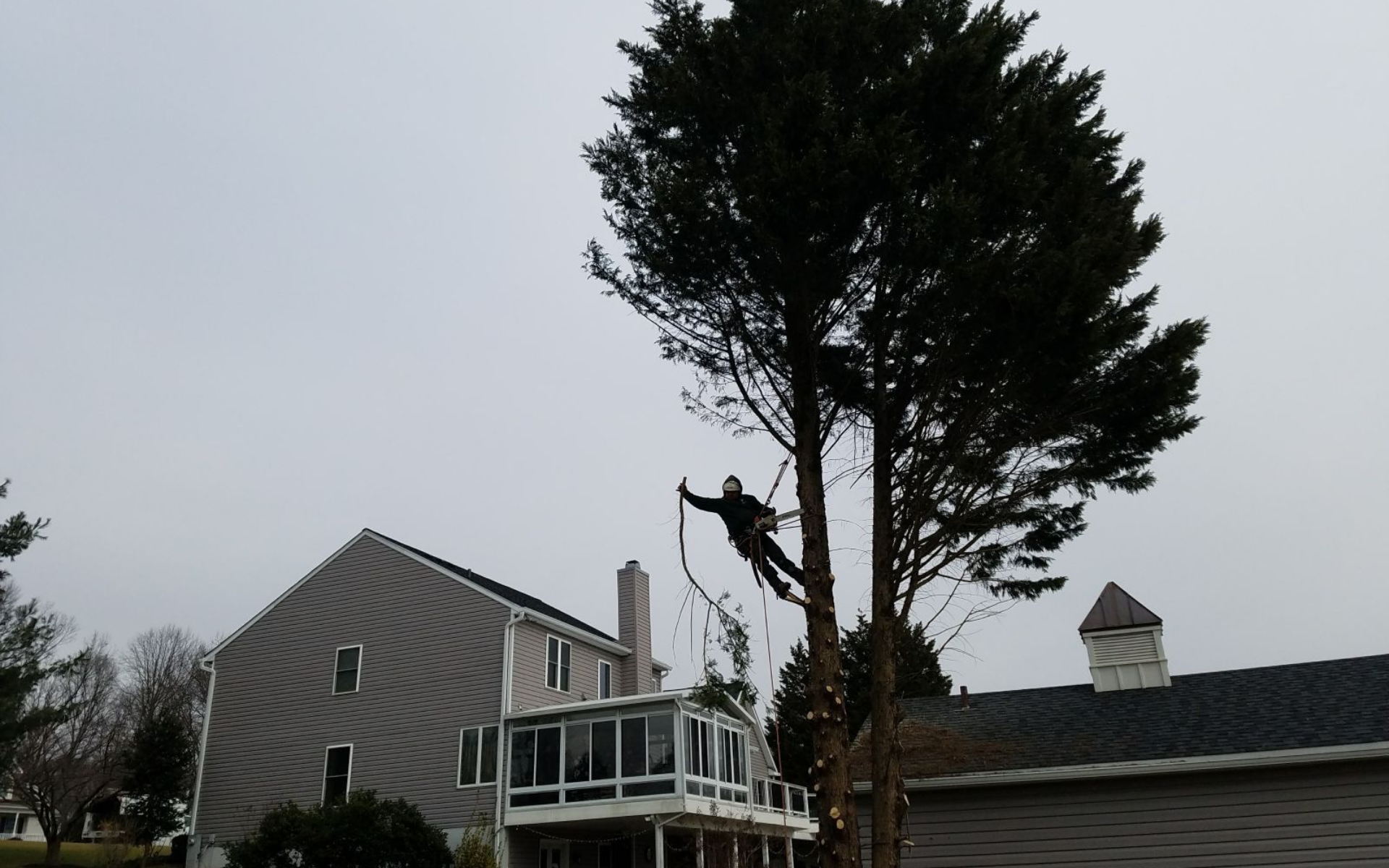
Where the tree is located significantly affects removal complexity. Trees close to homes, garages, fences, or driveways require precise removal techniques. Limited access can also restrict the use of certain equipment, increasing the need for manual labor.
A tree located in an open yard is generally easier to remove than one positioned near structures or utilities. These location-based factors are central to professional tree removal planning.
Proximity to Utilities and Structures
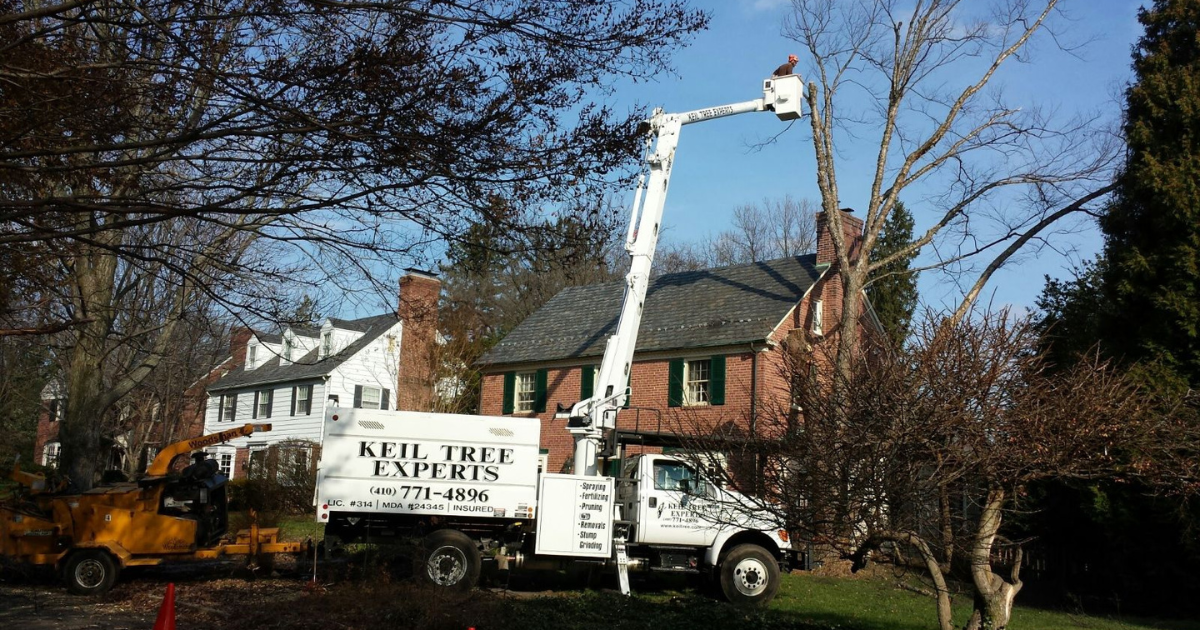
Trees growing near power lines, utility connections, or neighboring properties add another layer of complexity. Removal must be performed carefully to avoid service disruptions or property damage.
Coordination and controlled sectioning are often required in these situations. This level of precision is one reason tree removal projects can vary so widely from one property to another.
Accessibility for Equipment
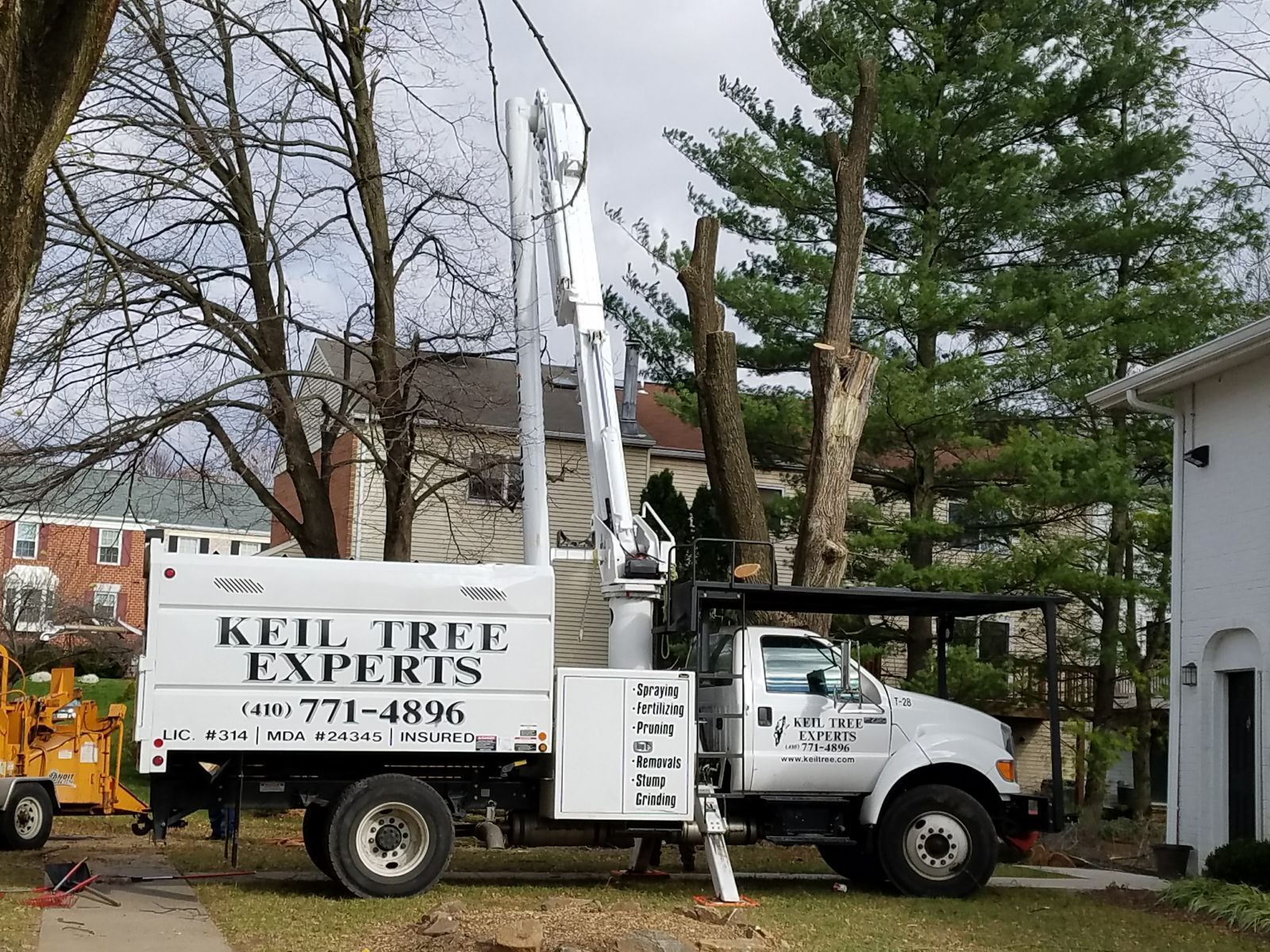
Access to the tree determines what equipment can be used. Narrow yards, gated areas, steep slopes, or soft ground conditions may limit access for lifts or other machinery.
When equipment access is restricted, removal may require more manual work and time. Professional tree removal company evaluations always factor in access conditions to ensure safety and efficiency.
Additional Tree Services Needed
Tree removal is sometimes part of a broader scope of work. Surrounding trees may need tree trimming to improve safety or clearance, especially if branches extend over structures or walkways.
Including related tree services in the project plan helps address potential risks and improve long-term landscape health. These additional considerations are often discussed during an on-site evaluation.
Stump Removal Considerations
After a tree is removed, the remaining stump may still impact the usability of the space. Stumps can interfere with landscaping, create tripping hazards, or attract pests.
Homeowners planning future lawn or landscape projects often choose to include stump removal as part of the overall plan. This step requires specialized equipment and affects the project scope.
Timing and Urgency
The timing of tree removal also plays a role. Trees that pose immediate safety concerns may require prompt attention, while others can be scheduled in advance.
Planned removals allow for more flexibility in scheduling and preparation. Addressing potential issues early often provides more options and smoother coordination.
How Homeowners Begin the Process
Many homeowners begin researching options once a tree becomes a concern. This is often when people search online for tree services near me as they compare local providers, experience, and availability.
These searches are typically driven by safety concerns and a desire for trustworthy expertise. Understanding what affects cost helps homeowners ask better questions during consultations.
Why Professional Evaluation Matters
Because so many variables influence tree removal, estimates based solely on photos or general descriptions are often unreliable. A professional evaluation allows for accurate assessment of size, condition, access, and safety considerations.
Experienced tree experts explain what factors are influencing the project and why certain approaches are recommended. Transparency builds confidence and helps homeowners make informed decisions.
Planning With Confidence
Tree removal is an investment in safety and property protection. Knowing what factors influence the scope of work allows homeowners to plan responsibly rather than guess.
Keil Tree Experts provides professional evaluations and reliable solutions tailored to each property. By understanding the checklist behind tree removal costs, homeowners can move forward with clarity and peace of mind.