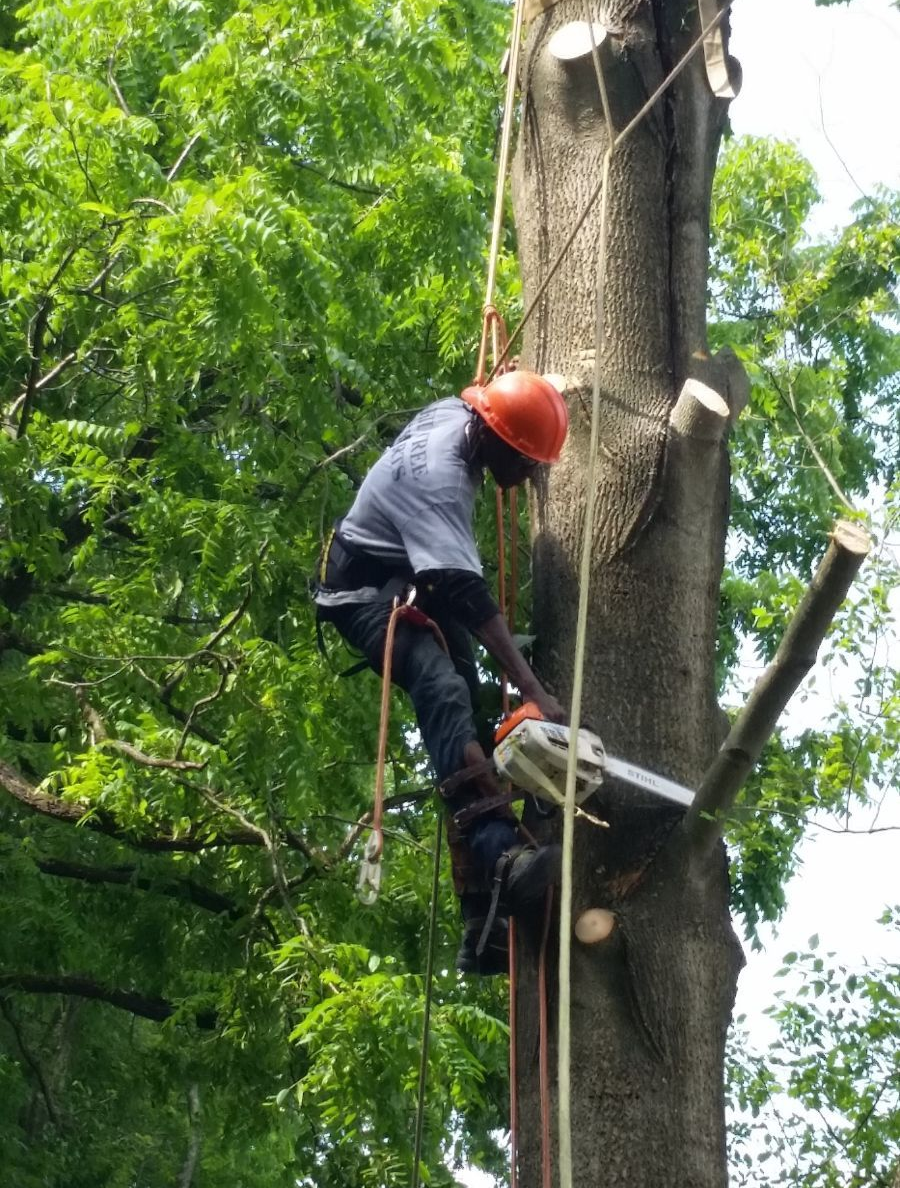
5 Signs Your Tree Is a Safety Hazard (And What to Do Next)
5 Signs Your Tree Is a Safety Hazard (And What to Do Next)
Trees add beauty, shade, and value to a property, but when a tree becomes unstable or unhealthy, it can quickly turn into a serious safety concern. Storms, aging growth, disease, and hidden structural issues can all compromise a tree’s stability. Knowing how to recognize the warning signs helps homeowners take action before damage or injury occurs.
Keil Tree Experts works with homeowners to identify hazardous trees and recommend safe, responsible solutions. Below are five common signs that a tree may be a safety hazard, along with what steps to take next.
1. Large Dead or Hanging Branches
Dead branches are one of the most visible indicators of a dangerous tree. Branches without leaves during the growing season, brittle limbs, or hanging sections caught in the canopy can fall without warning. These branches are especially dangerous near homes, driveways, sidewalks, and play areas.
While some deadwood can be addressed through tree trimming, widespread dead branches may signal deeper health issues. Ignoring them increases the risk of property damage or personal injury, particularly during high winds or storms.
2. Visible Cracks or Splits in the Trunk
Cracks or splits in the trunk are serious warning signs. These openings weaken the tree’s structural integrity and often indicate internal decay or stress. Vertical cracks, deep seams, or sections that appear separated from the rest of the trunk should never be ignored.
Once a trunk begins to fail, the tree’s ability to support its own weight is compromised. In these cases, tree removal services may be the safest option, especially if the tree is close to structures or power lines.
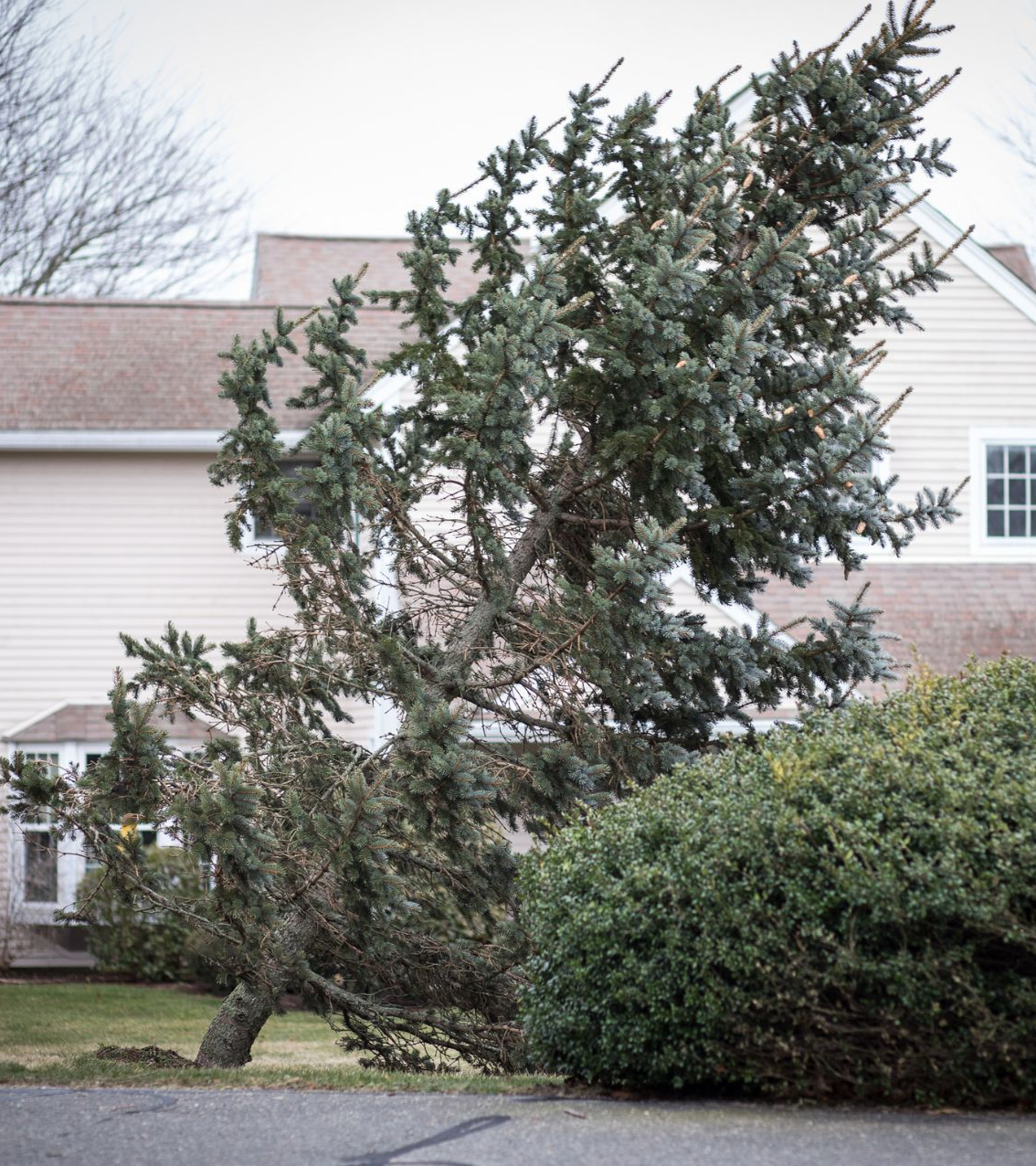
3. Leaning Trees or Shifting Root Systems
Trees naturally grow at angles, but a sudden lean or noticeable shift is a cause for concern. Exposed roots, cracked soil around the base, or roots lifting sidewalks and driveways suggest instability below ground.
Root damage often occurs due to erosion, construction, or severe weather. Because the root system anchors the tree, compromised roots significantly increase the likelihood of the tree falling. A leaning tree should be evaluated promptly by a local arborist to determine whether stabilization or removal is necessary.
4. Signs of Disease or Decay
Fungal growth, hollow areas, soft wood, or excessive insect activity are all indicators of decay. While some surface issues may be manageable, internal decay weakens the tree from the inside out, making failure more likely.
Decay often starts unnoticed and progresses over time. Regular tree pruning can sometimes help manage minor issues, but advanced decay usually requires professional intervention. Left untreated, diseased trees can drop limbs or collapse entirely.
5. Previous Storm Damage or Repeated Breakage
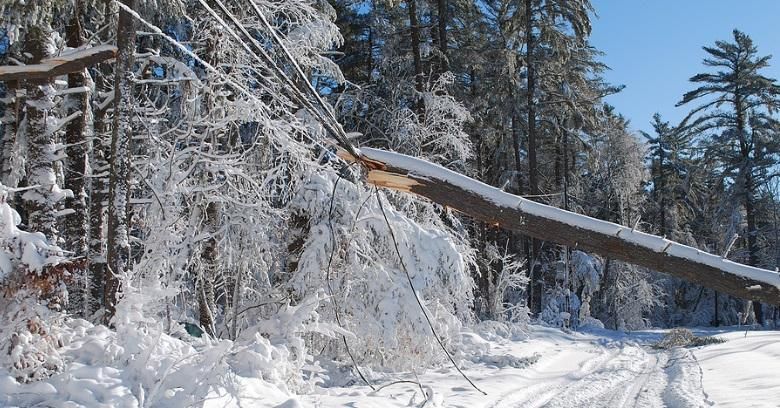
Trees that have been damaged in past storms are more vulnerable to future failure. Broken limbs, split trunks, or partial uprooting may not always look severe at first but can weaken the tree’s overall structure.
If a tree continues to lose branches or shows signs of stress after storms, it may no longer be safe. In these cases, tree removal is often recommended to eliminate ongoing risk rather than repeatedly addressing surface damage.
What to Do When You Spot a Hazard
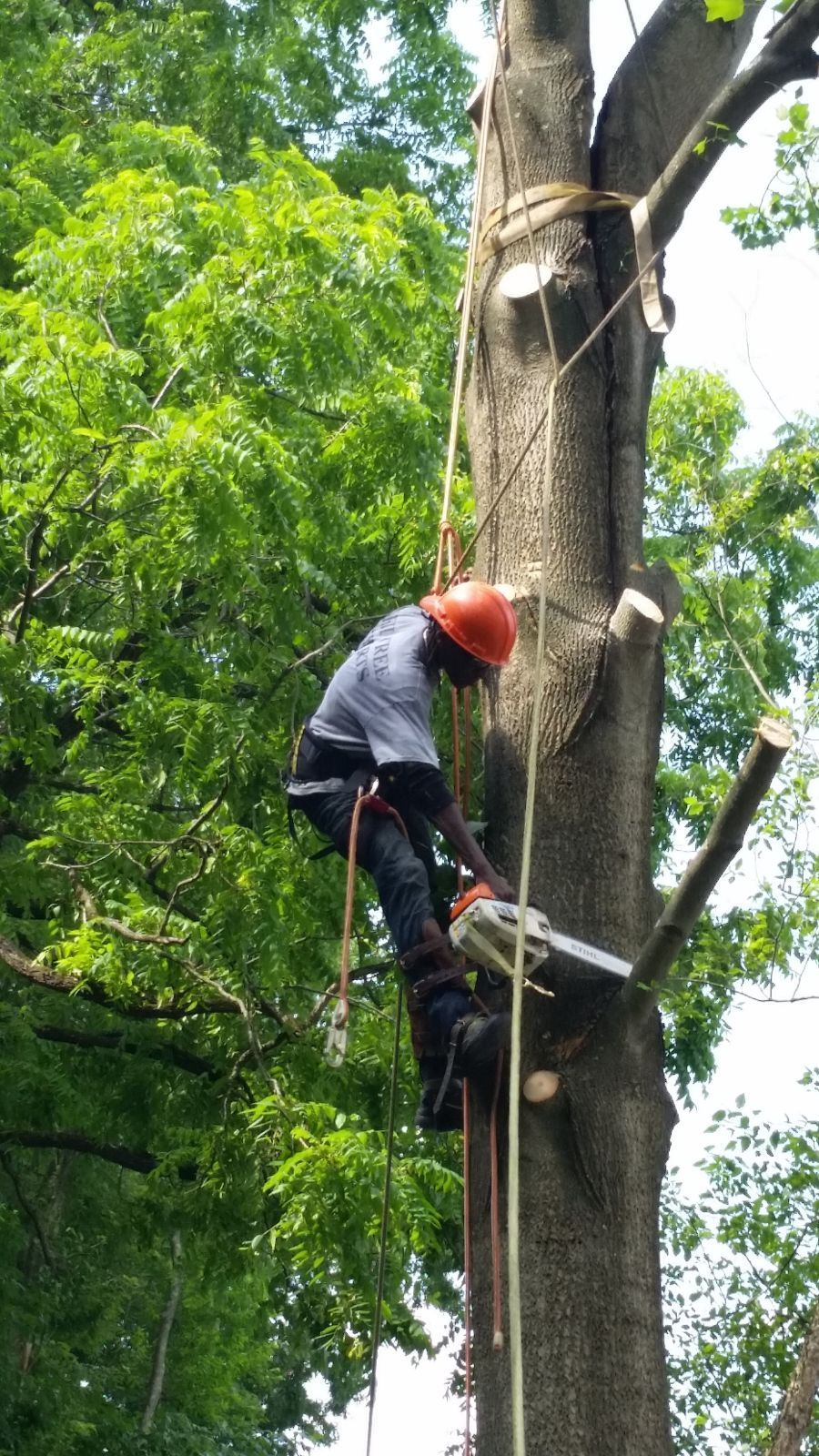
If you notice one or more of these signs, the first step is to avoid attempting repairs yourself. Climbing trees, cutting large branches, or digging near roots can be extremely dangerous without proper equipment and training.
A professional assessment provides clarity on whether trimming, pruning, or full removal is the safest course of action. An experienced local arborist can evaluate the tree’s health, structural stability, and surrounding environment to recommend the right solution.
When Removal Becomes the Best Option
While preservation is always considered when possible, some trees pose too great a risk to remain standing. Trees that threaten homes, power lines, or heavily used areas often need to be removed to prevent accidents.
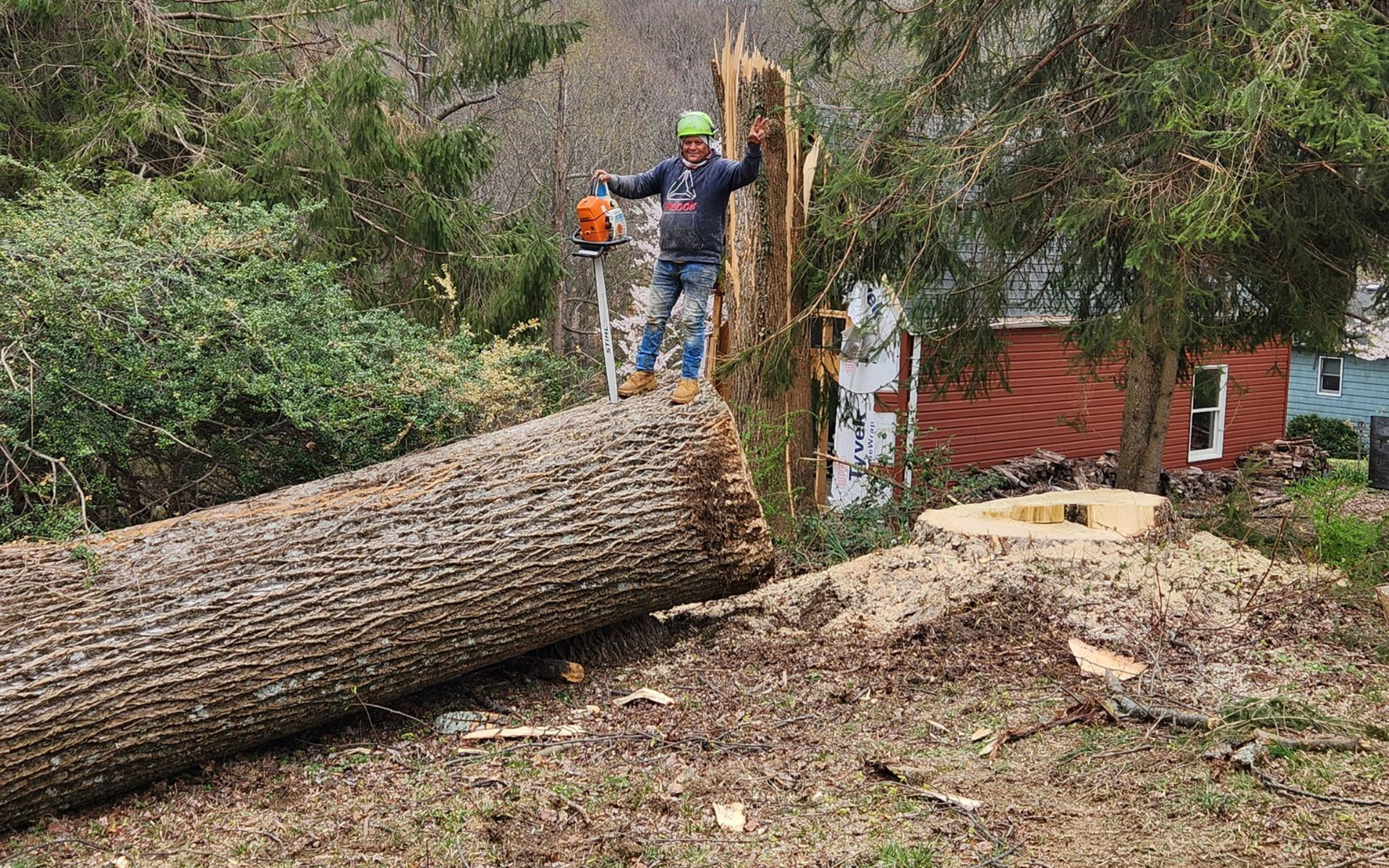
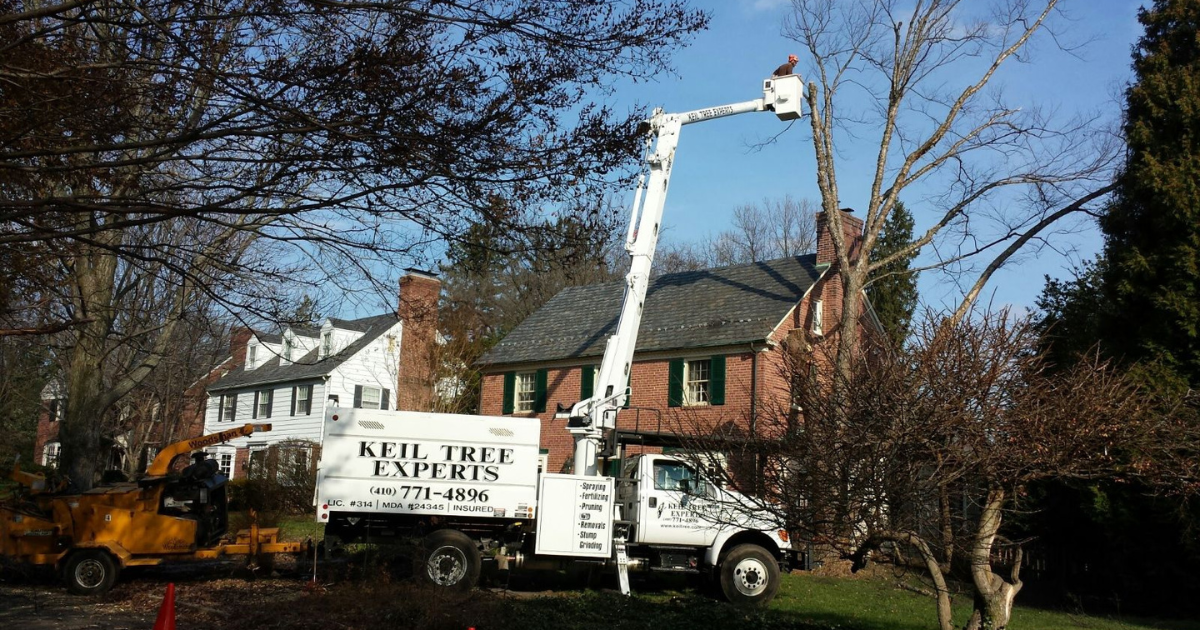
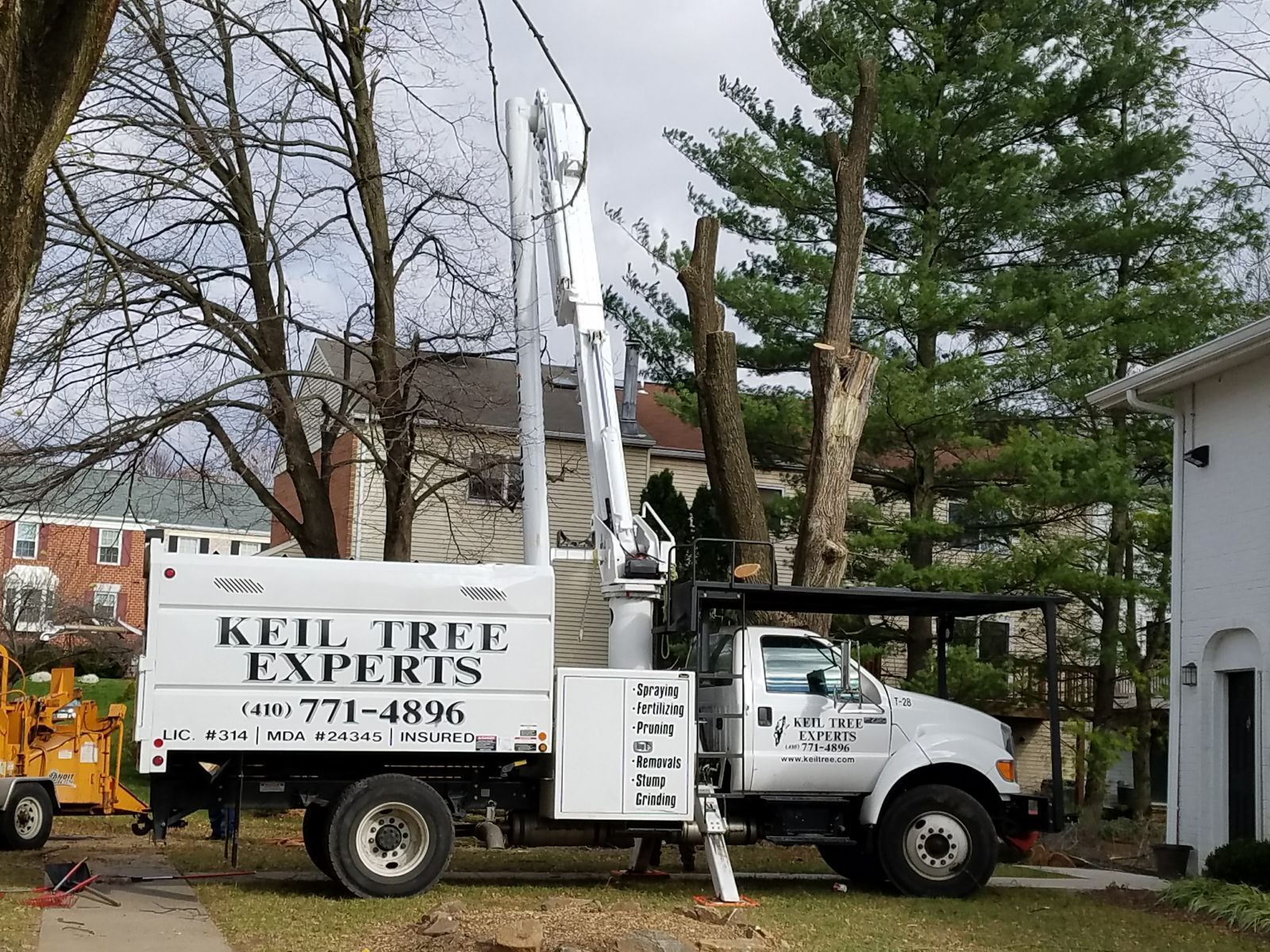
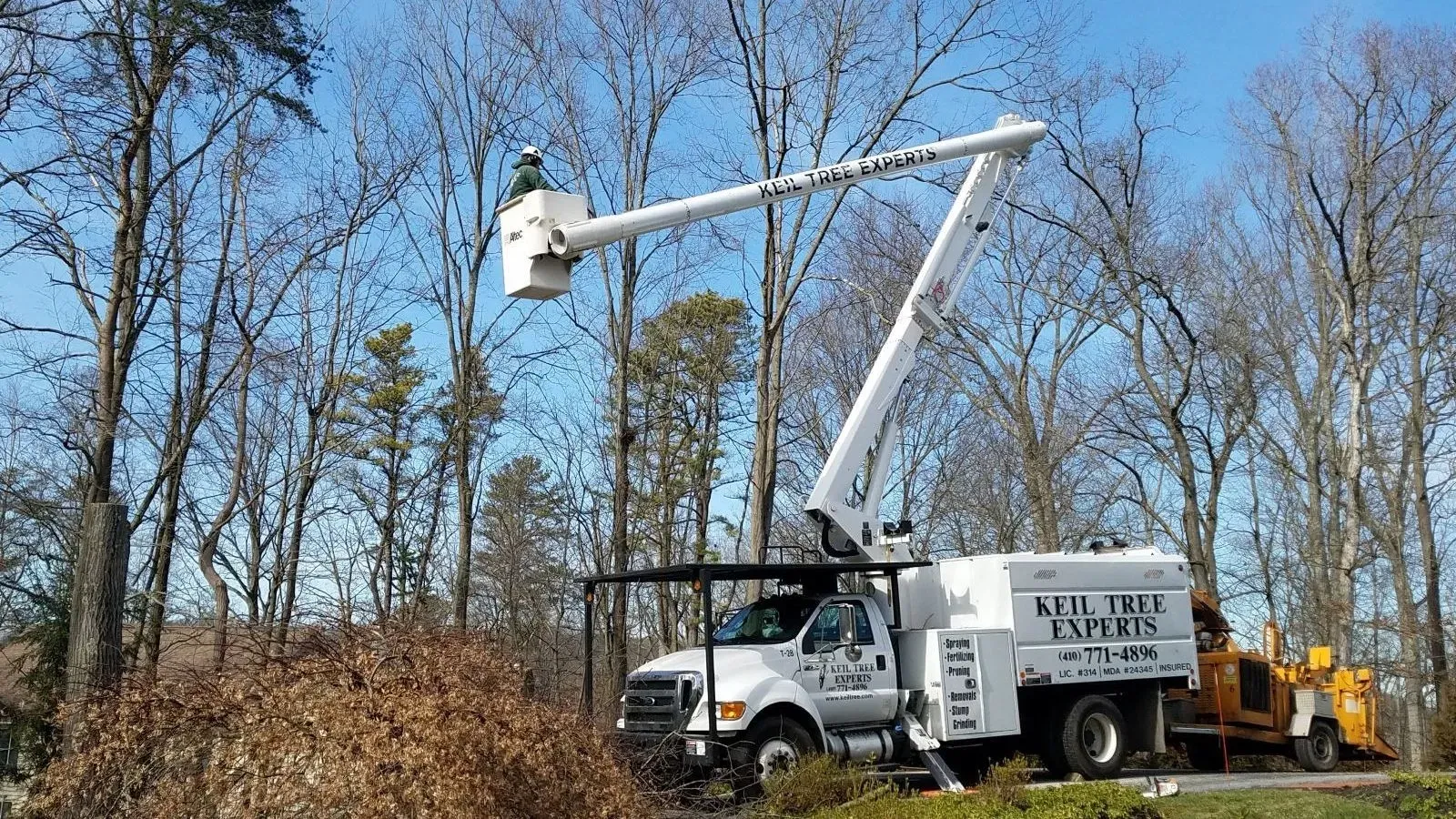
Professional tree removal services focus on safety, controlled removal, and proper cleanup. In many cases, removal is followed by grinding or removing the remaining stump to eliminate tripping hazards and prevent regrowth.
Homeowners often realize the need for additional services after removal, such as addressing unsightly or hazardous stumps left behind.
How Homeowners Begin the Search
When safety concerns arise, many homeowners turn to online searches to find qualified help. This is often when phrases like "tree removal" or "stump removal near me" are used, especially after a tree has already been removed and the remaining stump presents a risk or obstacle.
These searches usually come from homeowners looking for timely, local expertise to restore safety and usability to their property. Working with a trusted provider ensures the job is done correctly and safely.
Proactive Tree Care Makes a Difference
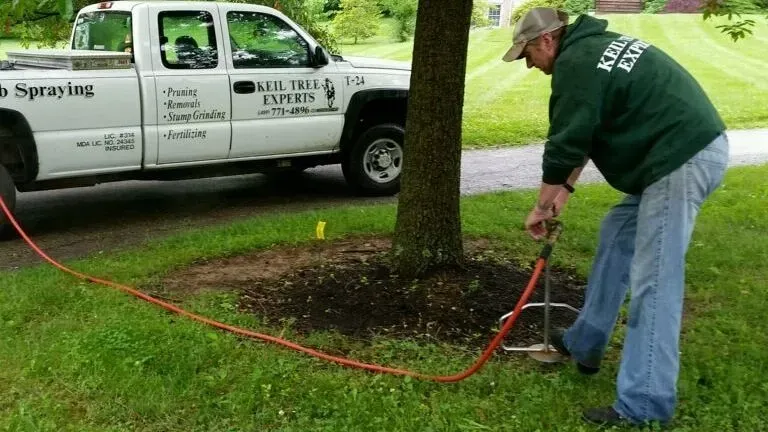
Regular inspections, timely tree trimming, and strategic tree pruning help reduce the risk of unexpected failures. Proactive care allows potential hazards to be addressed early, often preventing more costly or dangerous situations later.
Keil Tree helps homeowners assess tree safety with clear communication and professional recommendations. Whether the solution involves pruning, removal, or stump services, the goal is always to protect people, property, and long term landscape health.
Contact Keil Tree today to schedule a professional evaluation and take the next step toward a safer outdoor environment.