Safe Tree Removal Near Homes, Hazardous Tree Removal for Property Safety, Arborist
Tree Removal becomes necessary when a tree creates a real risk to people, homes, driveways, utilities, or nearby landscape features. A certified arborist can evaluate the tree’s structure, root stability, canopy condition, and surrounding property before deciding whether removal is the safest option. For Maryland homeowners, this is especially important after storms, heavy rain, freeze-thaw stress, or years of growth near roofs and property lines.
Keil Tree Experts helps homeowners make informed decisions when a tree is too close, too damaged, or too unstable to remain safely in place. The goal is not only to remove a tree, but to protect the property around it with careful planning, proper equipment, and professional arborist judgment. This follows the Keil Tree Experts blog workflow and service positioning provided in your uploaded guide.
When Tree Removal Becomes the Safer Choice
A tree does not always need to fall before it becomes dangerous. Many serious property risks start with smaller warning signs that homeowners notice but may not fully understand. A leaning trunk, cracked limb, hollow section, or canopy imbalance can point to deeper structural problems.
Tree removal may be needed when:
- A tree leans toward a home, garage, driveway, or walkway.
- Large limbs are cracked, hanging, or splitting from the trunk.
- The trunk shows decay, cavities, fungus, or major bark loss.
- Roots are lifting, exposed, damaged, or no longer anchoring the tree well.
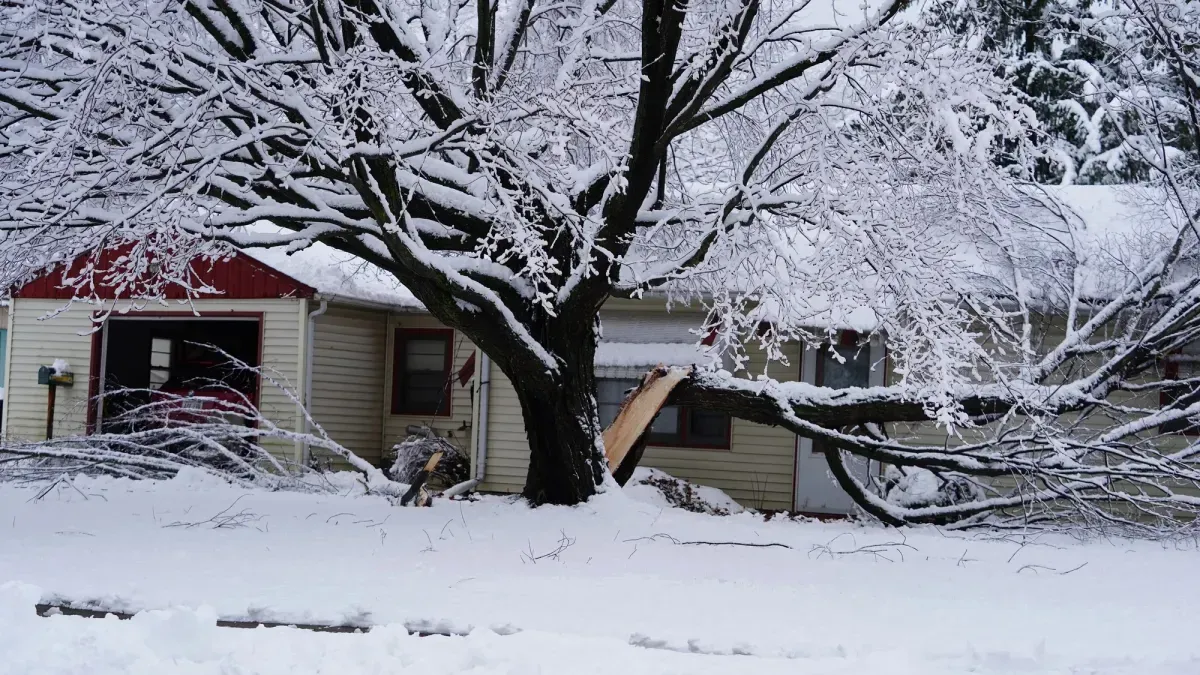
- Storm damage has weakened the tree beyond safe recovery.
Keil Tree Experts looks at both the tree and the property around it. A tree growing near a roofline, fence, shed, or service line requires a different removal plan than a tree standing in an open yard. That planning matters because the safest approach depends on access, weight distribution, limb direction, and surrounding obstacles.
If a damaged or leaning tree is already creating safety concerns, schedule professional help through
Tree Removal Services.
Why Trees Near Homes Require Arborist Evaluation
Trees near homes provide shade and curb appeal, but they also carry more responsibility. Branches over a roof can scrape shingles, clog gutters, or break during storms. Roots near foundations, patios, or drainage areas may affect soil movement and surface stability.
A certified arborist can identify weak branch unions, upper-canopy deadwood, fungal growth, and signs of internal decay. These details help determine whether pruning can reduce risk or whether removal is safer.
For overextended limbs near the home, Keil Tree Experts may first assess whether selective care through
Tree Pruning Service can reduce risk.
Tree Removal and Property Safety Planning
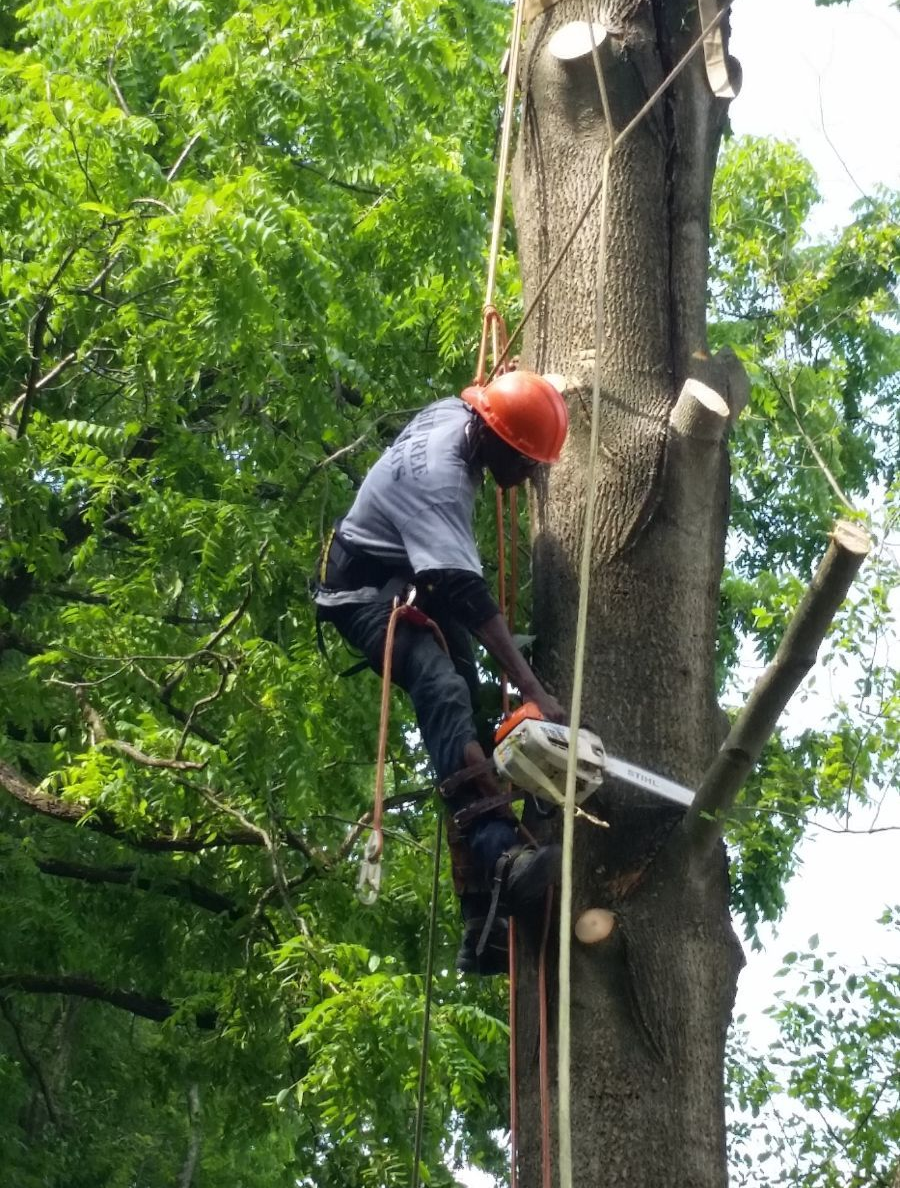
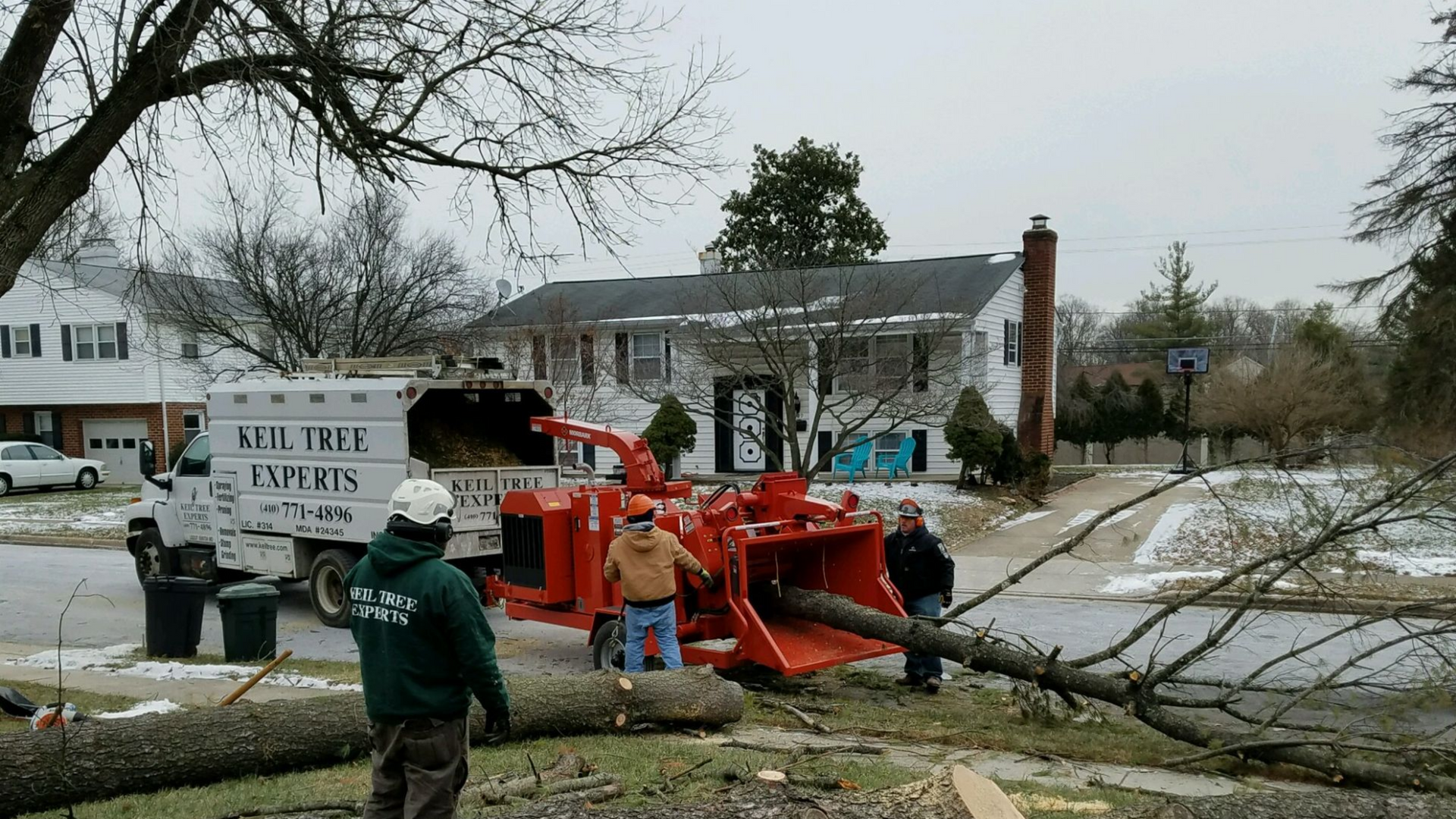
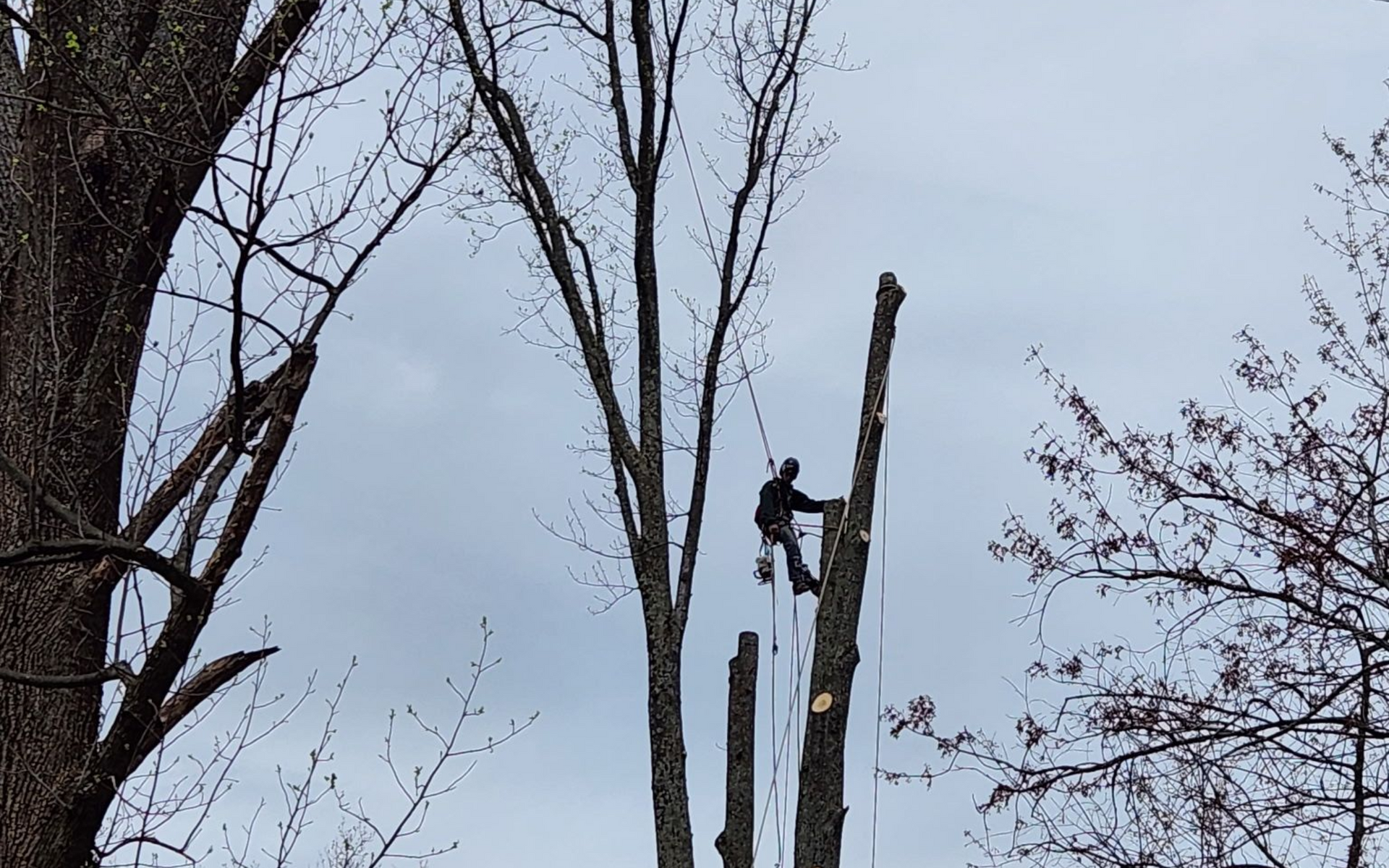
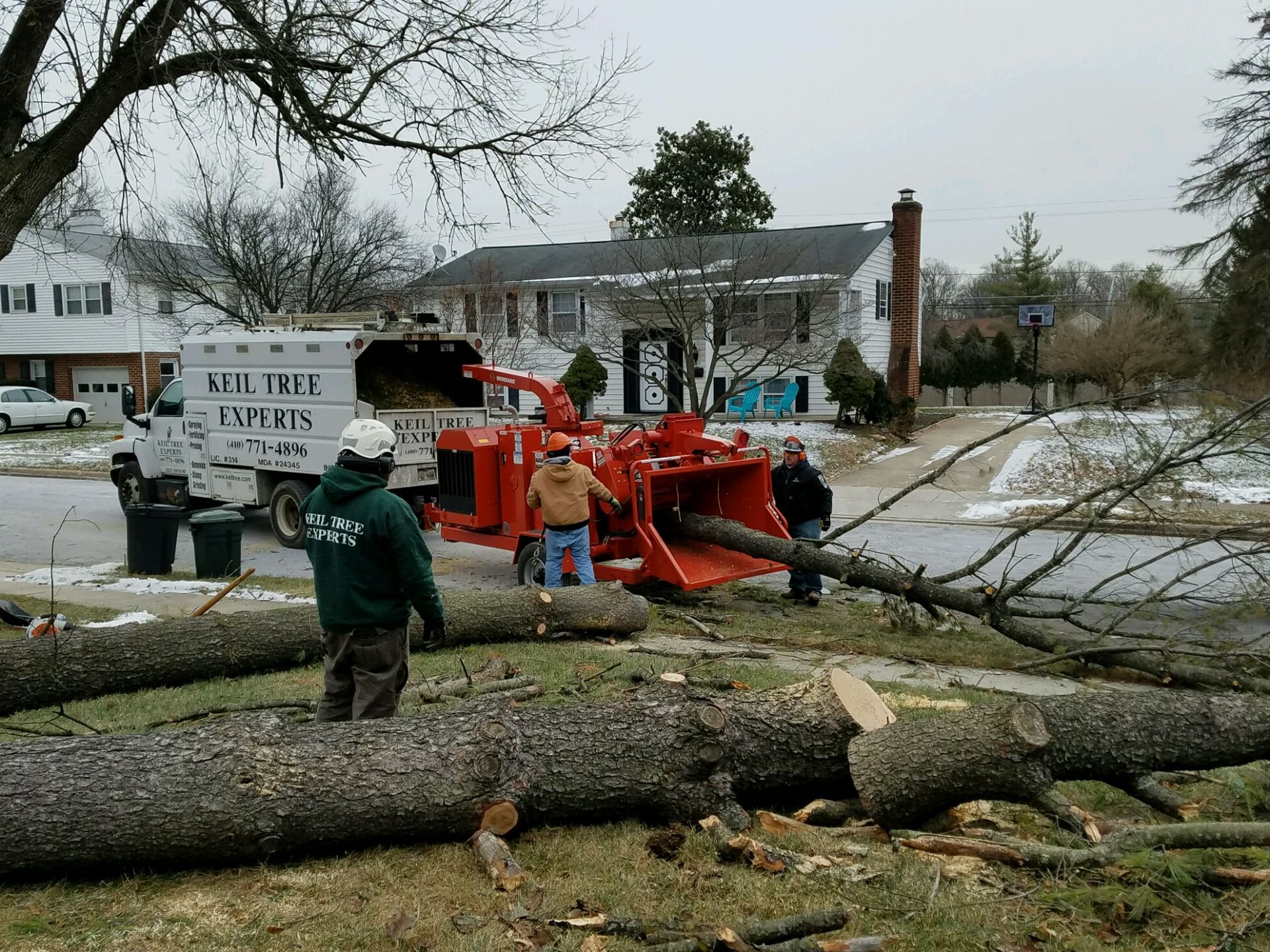
Safe tree removal is not just cutting. It is a controlled process that considers the tree’s height, lean, limb spread, trunk condition, landing zone, and access for equipment. When a tree is close to a home, each section may need to be lowered carefully to avoid damage.
A professional removal plan may include:
| Safety Factor | Why It Matters |
|---|---|
| Tree lean | Helps determine the direction of pressure and fall risk |
| Canopy weight | Shows where heavy limbs may shift during cutting |
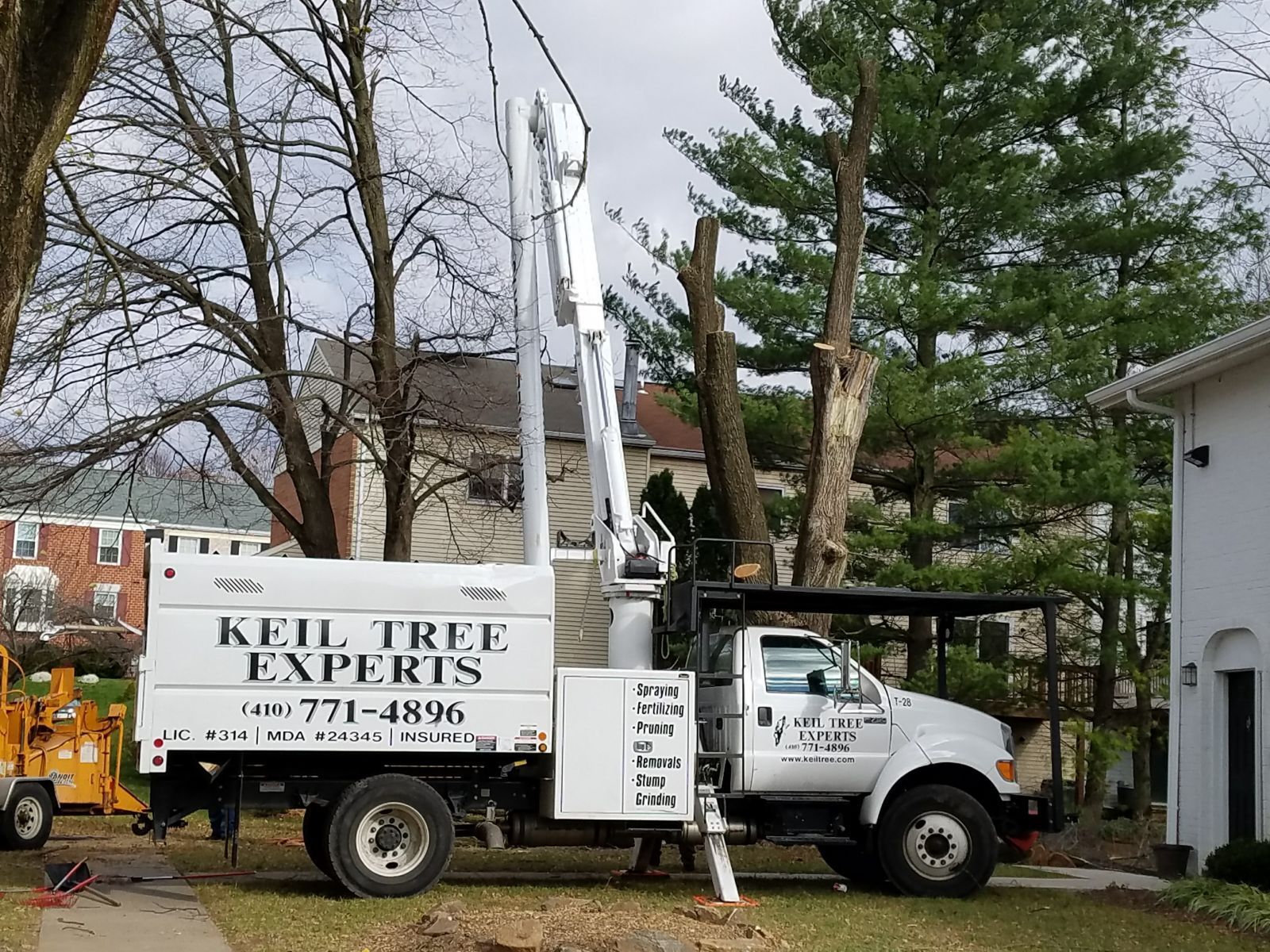
| Equipment access | Determines whether climbing, rigging, or a bucket truck is needed |
| Nearby structures | Protects roofs, fences, sheds, and driveways |
| Ground conditions | Helps prevent lawn damage and unsafe equipment movement |
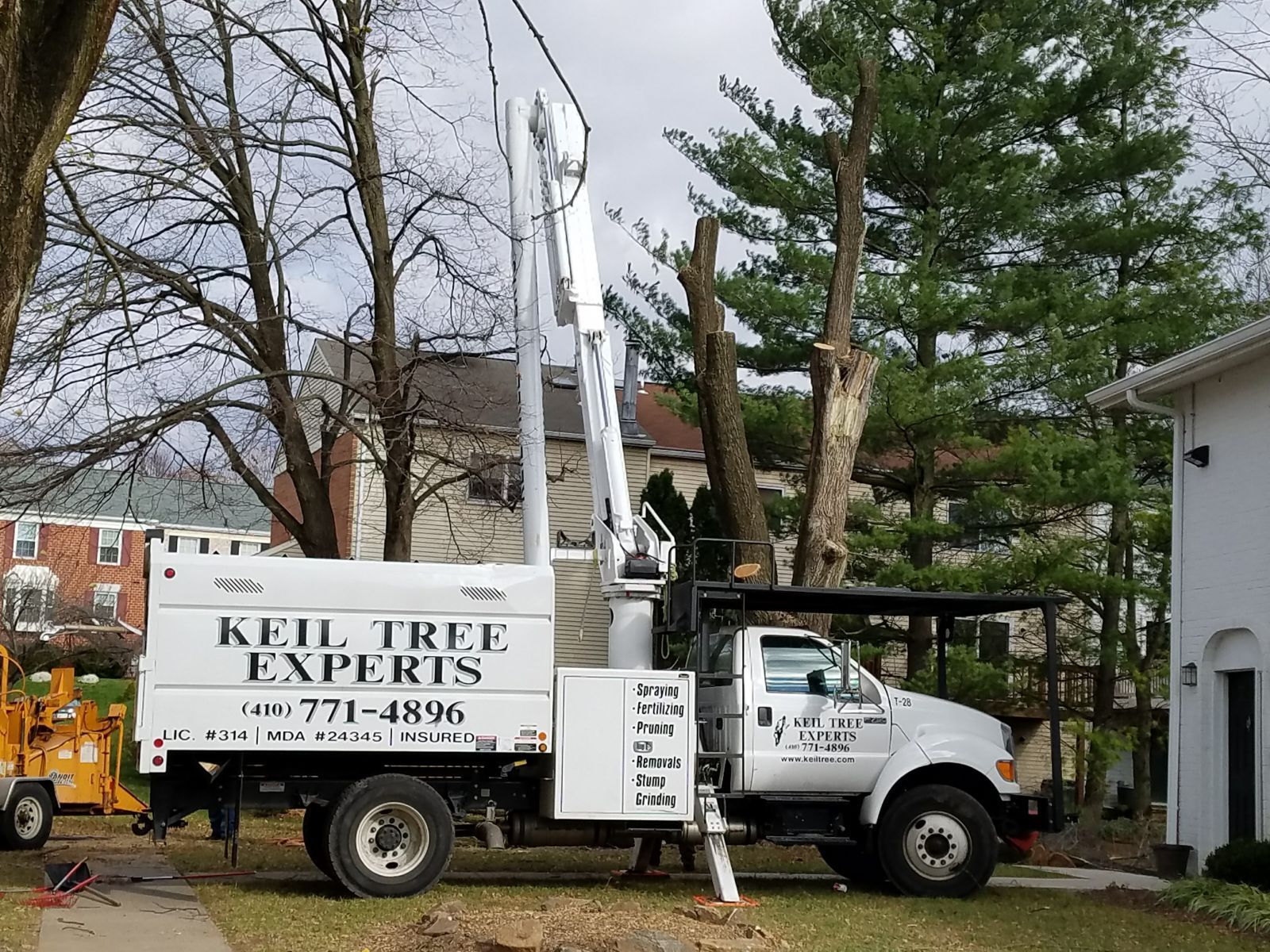
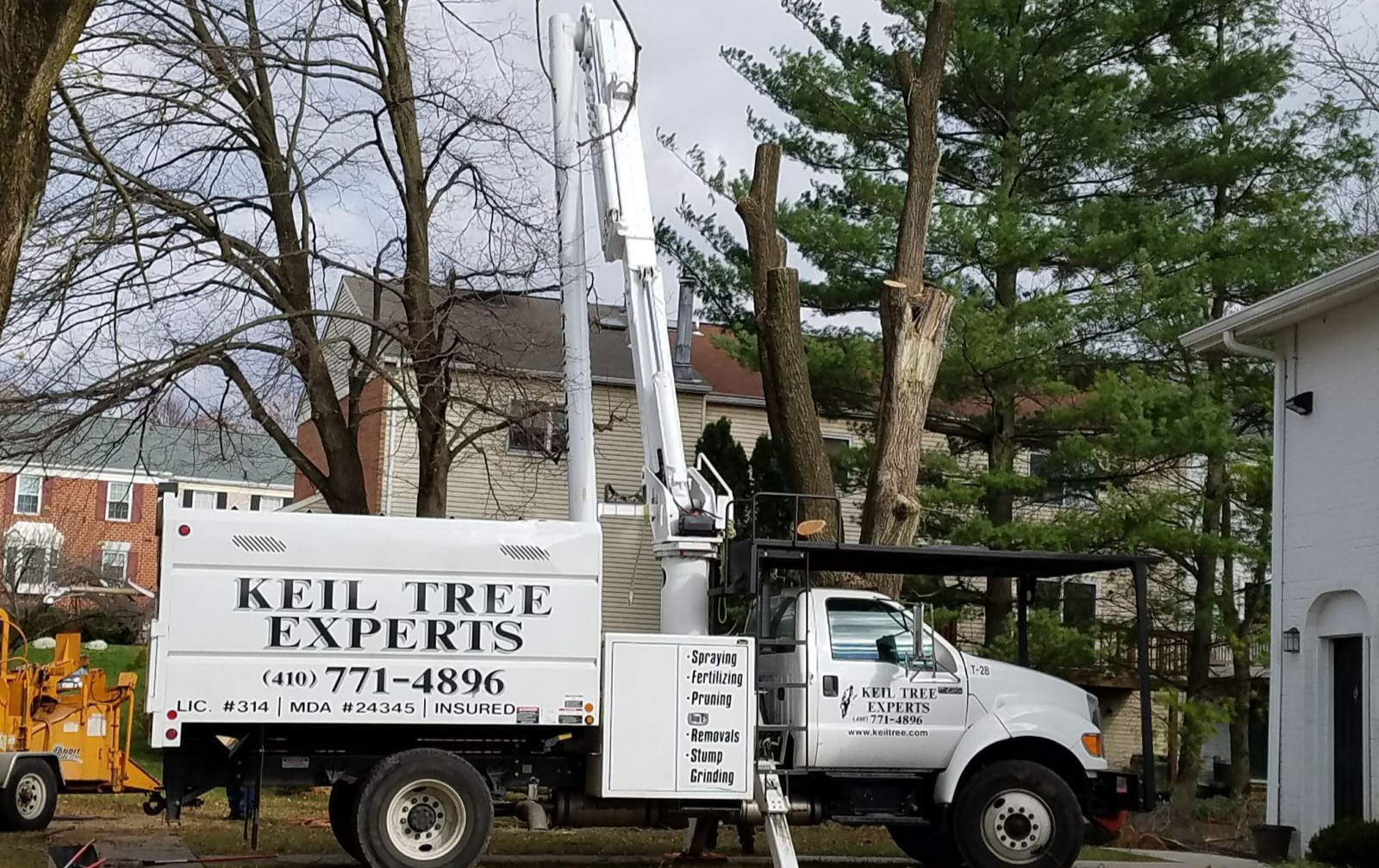
Keil Tree Experts uses this type of planning to help reduce risk before work begins. On tight properties, bucket truck access may improve control and efficiency. On wooded lots, rigging and sectional removal may be needed to avoid surrounding trees or landscape features.
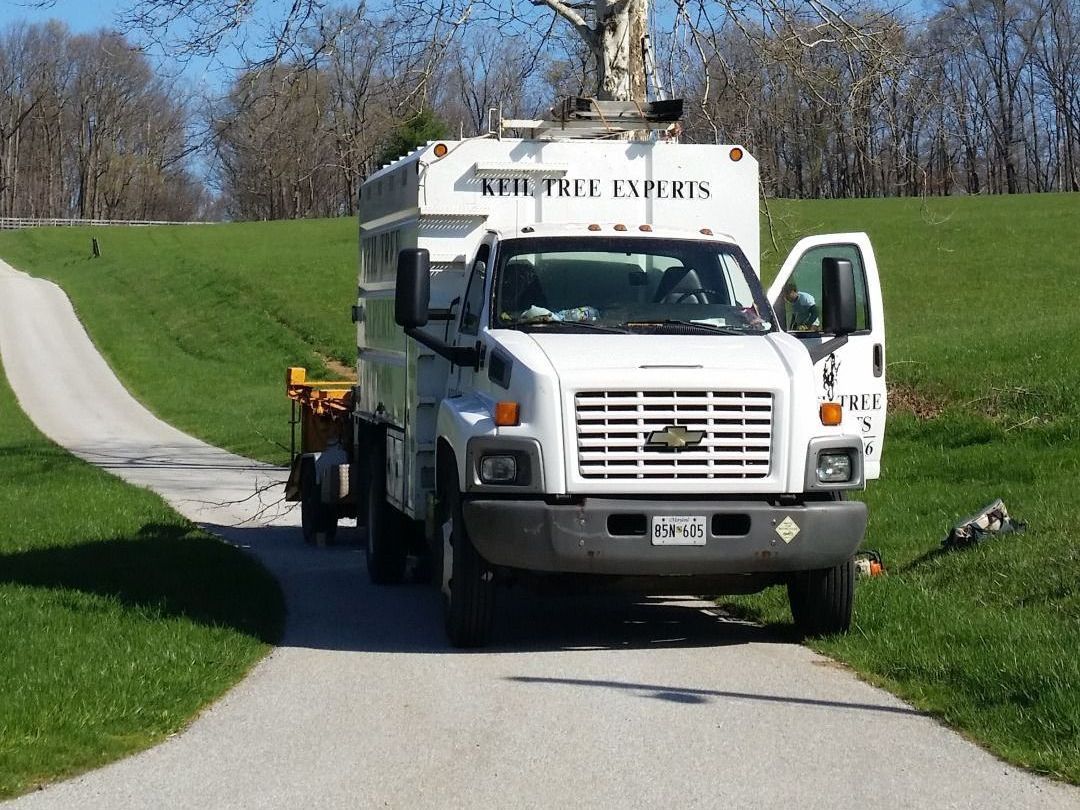
If the tree is difficult to reach or positioned near the house, driveway, or utility areas, ask Keil Tree Experts about safe access options through Bucket Truck Services.
What Homeowners Should Watch Before Calling
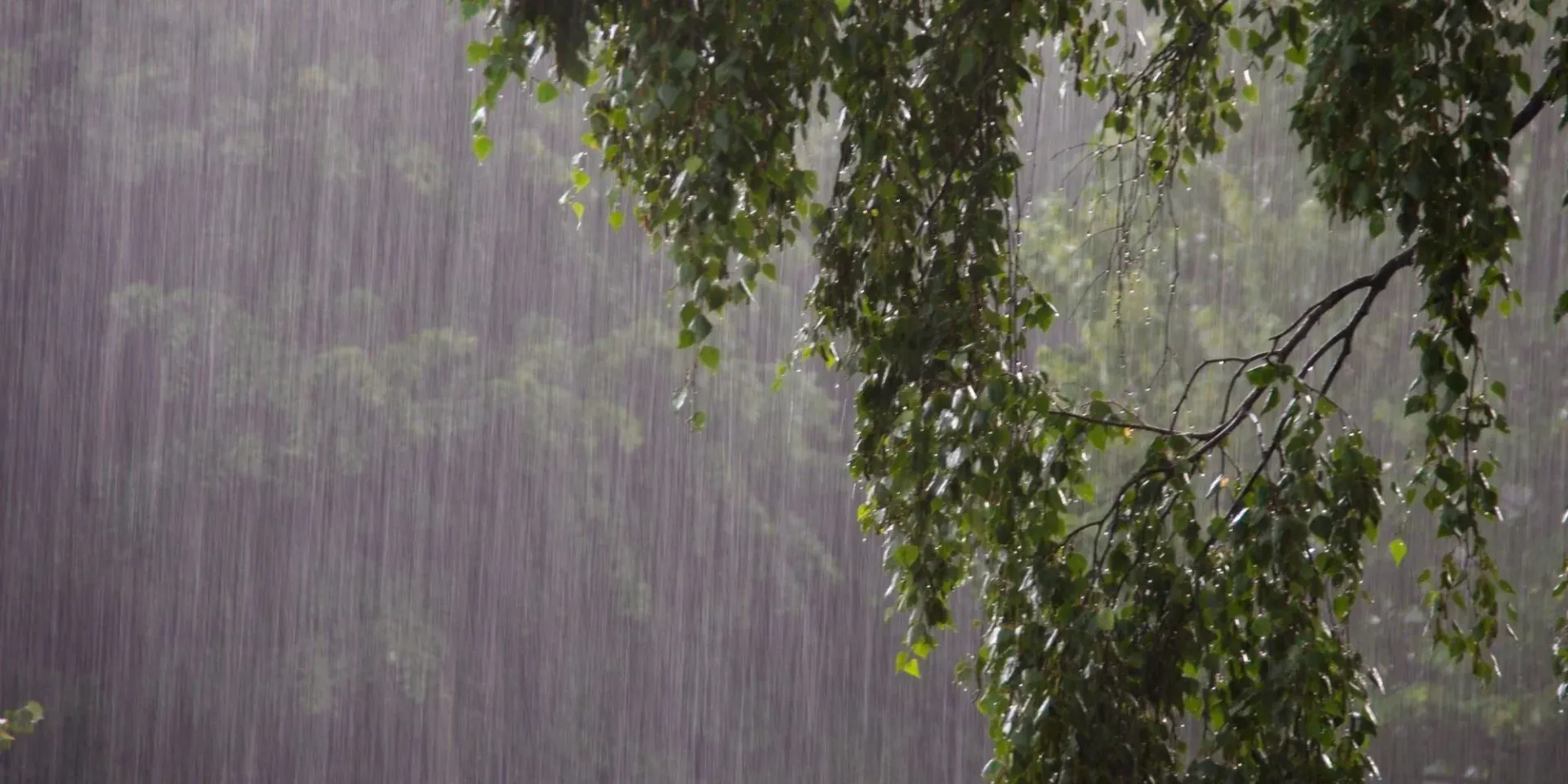
Some tree hazards become urgent quickly. After heavy rain or strong wind, a tree may shift, crack, or drop limbs even if it looked stable earlier in the season. Maryland’s humid summers can also encourage fungal activity, while winter freeze-thaw cycles may worsen cracks in already weakened wood.
Homeowners should call for an arborist evaluation when they notice:
- Fresh cracks in the trunk or major limbs.
- Dead branches over areas where people walk or park.
- Soil lifting around the base of a leaning tree.
- Mushrooms, soft wood, or decay near the trunk.
- Storm-damaged limbs hanging in the canopy.
Avoid standing under damaged branches or trying to cut large limbs without proper equipment. A heavy limb can twist, drop unexpectedly, or pull additional sections down with it. Keil Tree Experts can inspect the tree and recommend the safest next step based on the actual risk, not guesswork.
After Removal: Cleaning Up and Restoring Use of the Space
Once a hazardous tree is removed, the work is not always finished. A stump may still affect mowing, foot traffic, landscaping plans, or future planting. Large surface roots can also make the area difficult to maintain.
Keil Tree Experts can help homeowners think beyond the removal itself. In some cases, stump grinding makes the yard more usable and helps reduce trip hazards. In other situations, the cleared area may create room for new lawn, improved drainage, or better sunlight for nearby plants.
For a cleaner and more usable yard after the tree is gone, continue the project with Stump Grinding Service.
Tree removal can also reveal issues in the surrounding landscape, such as compacted soil or stressed nearby trees. When one mature tree declines, other trees in the area may need attention too. A professional inspection helps homeowners protect the rest of the landscape instead of reacting to one problem at a time.
Work With Keil Tree Experts for Safer Tree Decisions
Tree removal is a major decision, especially when the tree is near a home, driveway, fence, or neighboring property. The safest choice comes from understanding the tree’s condition, the property layout, and the risks involved.
Keil Tree Experts brings certified arborist knowledge, careful planning, and field experience to Maryland properties where tree safety matters. Whether the concern is storm damage, a leaning trunk, deadwood, or a tree growing too close to the home, the team can help determine the right solution.
Contact Keil Tree Experts to schedule a professional tree assessment and protect your property before a hazardous tree becomes an emergency.
FAQs About Tree Removal
How do I know if a tree needs to be removed?
A tree may need removal if it is leaning, decaying, cracking, dropping large limbs, or growing too close to important structures. A certified arborist can inspect the trunk, canopy, roots, and site conditions before recommending removal.
Is tree removal always the only option for a hazardous tree?
No. Some trees can be managed with pruning, structural care, or health treatment. Removal is usually recommended when the tree is too damaged, unstable, diseased, or poorly positioned to remain safely.
Should I remove a tree after storm damage?
It depends on the level of damage. Broken limbs may be pruned, but a split trunk, unstable lean, or major root movement can make removal necessary. A professional inspection is the safest next step.